Với hơn 10 năm kinh nghiệm về vận chuyển khí nén, Headpowder Sơn Đông cung cấp hệ thống, thiết bị và quạt gió toàn chuỗi, đảm nhận các dự án kỹ thuật bột trọn gói trên toàn quốc.
When it comes to the efficient and reliable transportation of cement powder, the design of a pneumatic conveying system is a critical factor that can significantly impact operational performance and cost-effectiveness. A well-designed system ensures smooth material flow, reduces downtime, and enhances overall productivity in industrial settings. This article will guide you through the key considerations and steps involved in designing a reasonable cement powder pneumatic conveying system, with a focus on practical solutions tailored to industrial needs.
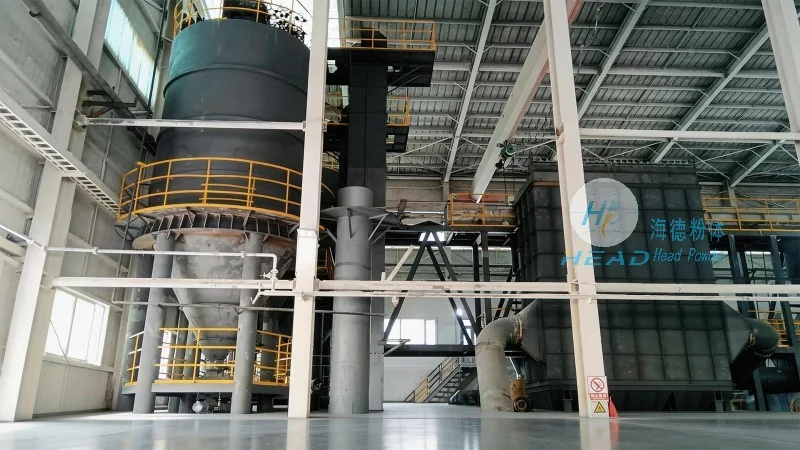
Understanding the Core Principles of Cement Powder Pneumatic Conveying
Before diving into the design specifics, it's essential to grasp the fundamental principles of pneumatic conveying. This technology involves transporting bulk materials like cement powder through a pipeline using air or gas as the conveying medium. The system can be categorized into two main types: dilute phase and dense phase, each with distinct characteristics and applications. Dilute phase systems use higher air velocities to suspend the material, while dense phase systems employ lower velocities and higher pressure to push the material forward. The choice between these types depends on factors such as material properties, distance, and required flow rate.
Key Design Considerations for a Cement Powder Pneumatic Conveying System
Designing an effective cement powder pneumatic conveying system requires a comprehensive approach that addresses several critical aspects. The first step is to accurately assess the material characteristics, including particle size distribution, moisture content, and flowability. These properties directly influence the selection of the conveying method and equipment. For instance, cohesive or sticky cement powders may require specialized equipment like rotary valves or airlocks to prevent blockages and ensure consistent flow. Additionally, the system's capacity and required flow rate must be determined based on production demands and downstream processes.
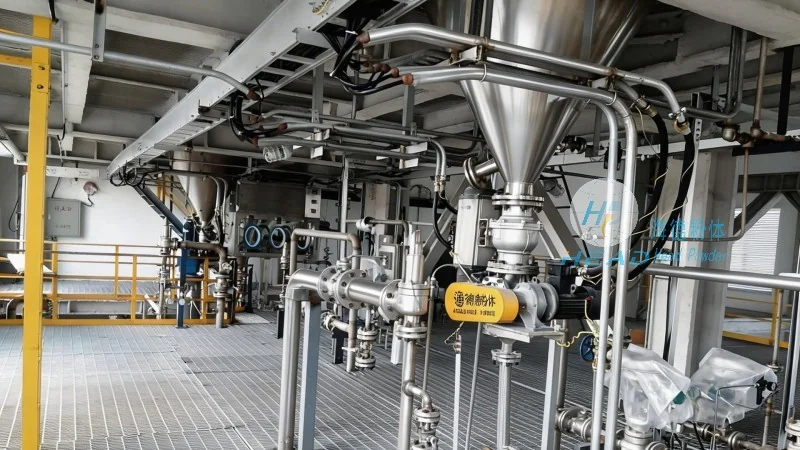
System Layout and Pipeline Design
The layout of the pneumatic conveying system plays a vital role in its efficiency and reliability. The pipeline design should minimize bends, changes in direction, and pressure drops to maintain optimal air velocity and prevent material deposition. Properly sized pipelines and elbows are crucial to avoid excessive energy consumption and maintain the desired material velocity. The system's layout also needs to consider the location of the cement source, storage silos, and discharge points, ensuring a logical flow from the source to the destination. For example, in a typical industrial setup, the cement may be stored in a silo, and the conveying system will transport it to a mixing plant or a storage area. The pipeline should be designed to accommodate the vertical and horizontal distances between these points, with appropriate elevation changes and pressure relief valves to handle variations in elevation.
Equipment Selection and Integration
Choosing the right equipment is paramount to the success of a cement powder pneumatic conveying system. The key components include the material feeder, air compressor, pipeline system, and material separator or receiver. The material feeder, such as a rotary valve or a star feeder, is responsible for feeding the cement powder into the pipeline at a controlled rate. The air compressor provides the necessary pressure and volume of air to transport the material. The pipeline system, including the main line and branch lines, must be constructed from materials that are resistant to corrosion and wear, such as stainless steel or special alloys, to ensure long-term durability. The material separator or receiver is used to collect the cement powder at the end of the pipeline, separating it from the air. This component is critical for maintaining the purity of the material and preventing dust emissions.
Control and Monitoring Systems
Modern cement powder pneumatic conveying systems often incorporate advanced control and monitoring systems to enhance operational efficiency and safety. These systems may include pressure sensors, flow meters, and level indicators that provide real-time data on the system's performance. The control system can automatically adjust the air pressure and flow rate based on the material feed rate, ensuring consistent operation. Additionally, safety features such as pressure relief valves and emergency shut-off mechanisms are essential to prevent accidents and protect personnel and equipment. The integration of these systems allows for better management of the conveying process, reducing downtime and improving overall productivity.
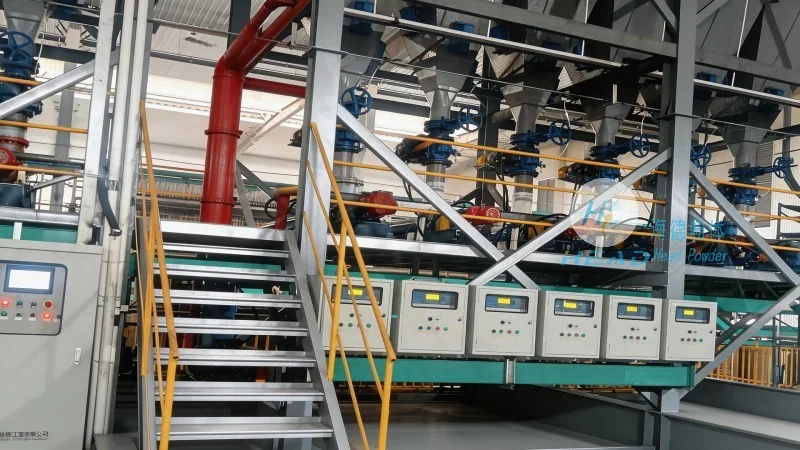
Installation and Maintenance Considerations
Proper installation and regular maintenance are crucial for the long-term performance and reliability of a cement powder pneumatic conveying system. During installation, it's important to ensure that all components are properly aligned and secured to prevent vibrations and leaks. The pipeline should be properly supported to avoid sagging or excessive stress on the joints. Regular maintenance, including cleaning the pipeline, checking for wear and tear, and replacing worn parts, is essential to prevent blockages and maintain the system's efficiency. The frequency of maintenance depends on the system's usage and the material being conveyed, but regular inspections and cleaning are recommended to ensure optimal performance.
Case Study: A Successful Cement Powder Pneumatic Conveying System by Shandong HeadPowder Engineering Co., Ltd.
Shandong HeadPowder Engineering Co., Ltd., a leading provider of industrial conveying solutions, has successfully implemented numerous cement powder pneumatic conveying systems for clients across China. One notable project involved designing and installing a dilute phase system for a cement plant in Shandong, China. The system was designed to transport 100 tons of cement powder per hour from a storage silo to a mixing plant. The system included a rotary valve feeder, a high-pressure air compressor, and a stainless steel pipeline system with appropriate elbows and bends. The control system was integrated to monitor the pressure and flow rate, ensuring consistent operation. The system has been in operation for over two years, with minimal downtime and high efficiency, demonstrating the effectiveness of the design and implementation by HeadPowder.

 Shandong Headpowder Engineering Co., Ltd.
 156-6277-7102(Quản lý Trương)
  0531-83386006
  Thành phố Tế Nam, Tỉnh Sơn Đông, Trung Quốc
Điện thoại
WeChatTư vấn
Lên đầu