Với hơn 10 năm kinh nghiệm về vận chuyển khí nén, Headpowder Sơn Đông cung cấp hệ thống, thiết bị và quạt gió toàn chuỗi, đảm nhận các dự án kỹ thuật bột trọn gói trên toàn quốc.
When it comes to handling calcium oxide powder, selecting the right conveying method is crucial for ensuring efficiency, safety, and cost-effectiveness in industrial operations. Calcium oxide, also known as quicklime, is a highly reactive and abrasive material that demands specialized equipment to prevent material loss, equipment wear, and operational hazards. The choice of conveying system directly impacts production throughput, product quality, and overall operational reliability. This article explores common calcium oxide powder conveying methods, followed by an in-depth look at the advantages of HeadPowder's pneumatic conveying technology, a leading solution in the industry.
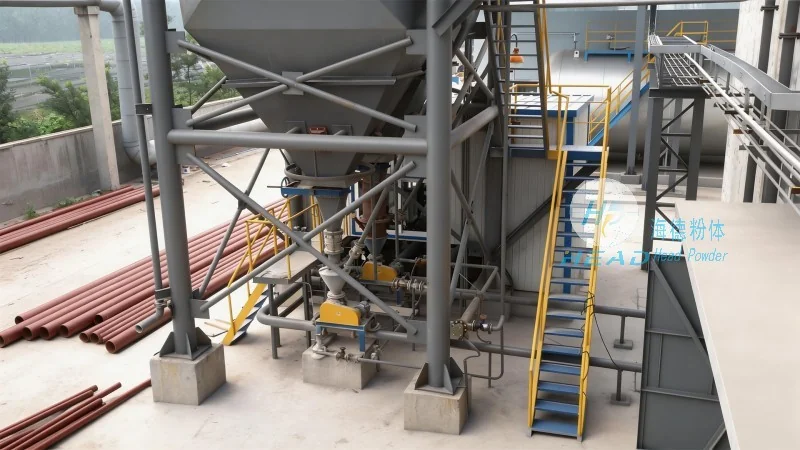
Common Calcium Oxide Powder Conveying Methods
Several conventional methods are employed for transporting calcium oxide powder in industrial settings. Each method has its own set of advantages and limitations, making the selection process dependent on factors such as material properties, plant layout, and operational requirements.
1. Gravity Conveying
Gravity conveying relies on the natural downward movement of powder under the influence of gravity. This method typically involves inclined chutes or hoppers that allow the material to flow from a higher to a lower elevation. While gravity systems are simple and low-cost, they are highly dependent on the material's flowability and the plant's topography. For calcium oxide powder, which can be cohesive or have poor flow characteristics, gravity conveying often results in uneven flow, blockages, and increased wear on chute surfaces. Additionally, gravity systems cannot handle long horizontal distances or vertical lifts without significant material degradation or loss. As a result, gravity conveying is generally unsuitable for large-scale or complex calcium oxide powder transport applications.
2. Mechanical Conveying
Mechanical conveying systems, such as belt conveyors, screw conveyors, and bucket elevators, use mechanical components to move powder. Belt conveyors are widely used for horizontal or slight incline transport, providing a continuous and reliable flow. However, they are prone to material spillage, especially with fine powders like calcium oxide, and require regular maintenance to prevent belt wear and slippage. Screw conveyors are effective for vertical or inclined transport but suffer from high friction and wear due to the abrasive nature of calcium oxide. They also generate heat, which can affect the material's reactivity and cause degradation. Bucket elevators are suitable for vertical transport but have limitations in handling highly abrasive or sticky powders, as the buckets can become clogged or damaged over time. Mechanical conveyors are generally less flexible and more labor-intensive compared to pneumatic systems, making them less ideal for dynamic or variable production environments.
3. Pneumatic Conveying
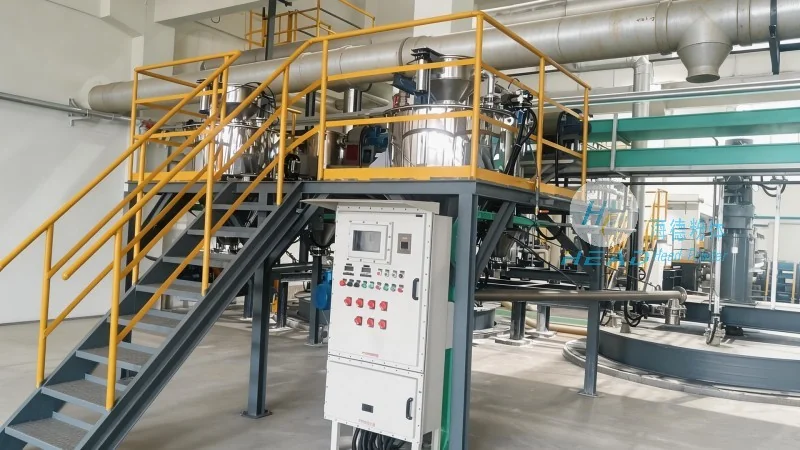
Pneumatic conveying uses compressed air to transport powder through a pipeline system. This method is widely recognized as the most versatile and efficient solution for calcium oxide powder handling. Pneumatic systems can be categorized into two main types: positive pressure and negative pressure. Positive pressure systems push the material through the pipeline using a blower or compressor at the inlet, while negative pressure systems draw the material into the pipeline using a vacuum at the outlet. Both systems offer advantages in terms of flexibility, scalability, and ability to handle long distances and vertical lifts. Pneumatic conveying minimizes material contact with equipment, reducing wear and contamination, and allows for enclosed transport, which improves safety and environmental control. However, traditional pneumatic systems may have limitations in terms of pressure drop, material segregation, and energy consumption, especially when dealing with highly abrasive or fine powders.
HeadPowder's Pneumatic Conveying Advantages
Shandong HeadPowder Engineering Co., Ltd., a leading manufacturer based in China, has developed advanced pneumatic conveying systems tailored to the unique challenges of calcium oxide powder transport. The company's solutions are designed to address the limitations of conventional methods while delivering superior performance and reliability. Key advantages of HeadPowder's pneumatic conveying technology include:
1. High Efficiency and Low Material Loss
HeadPowder's systems utilize optimized air flow and pipeline design to minimize pressure drop and energy consumption. The use of high-efficiency blowers and precise control systems ensures consistent material transport with minimal degradation. The enclosed pipeline design prevents material spillage and contamination, maintaining product purity and reducing waste. This efficiency is particularly critical for calcium oxide, as even small losses can impact the material's reactivity and overall quality.
2. Enhanced Safety and Environmental Control
Calcium oxide is a reactive material that can cause respiratory issues and skin irritation if not handled properly. HeadPowder's pneumatic conveying systems are fully enclosed, eliminating dust emissions and providing a safe working environment. The systems are equipped with advanced filtration and dust collection mechanisms to comply with environmental regulations and protect personnel. Additionally, the enclosed design prevents material exposure to external contaminants, ensuring consistent product quality and reducing the risk of cross-contamination.
3. Versatility and Scalability
HeadPowder's pneumatic conveying solutions are highly adaptable to various plant layouts and operational requirements. The systems can be configured for horizontal, vertical, or mixed transport, allowing for flexible integration into existing production lines. The modular design enables easy expansion or modification as production needs change. For calcium oxide powder, which may require transport over long distances or through multiple processing stages, HeadPowder's systems provide the scalability needed to meet growing demand without compromising performance.
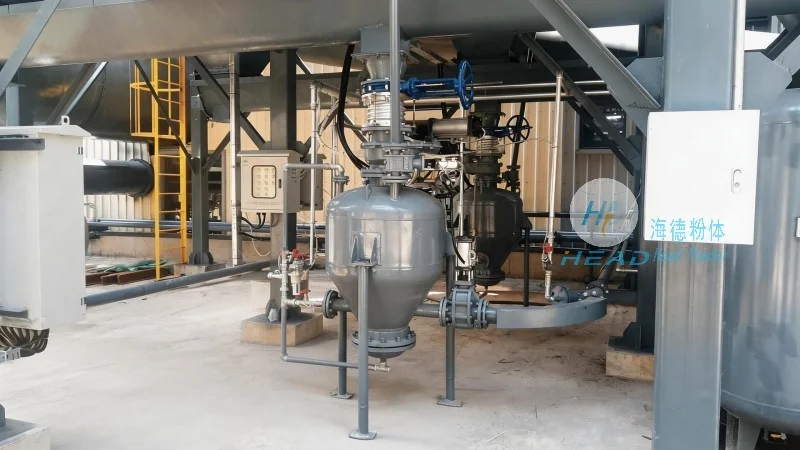
4. Reduced Equipment Wear and Maintenance
Calcium oxide is an abrasive material that can cause significant wear on traditional conveying equipment. HeadPowder's systems incorporate specialized materials and components, such as wear-resistant liners and high-quality pipelines, to minimize equipment degradation. The enclosed design reduces direct contact between the material and equipment, extending the lifespan of components and reducing maintenance frequency. This not only lowers operational costs but also ensures consistent performance over the long term.
5. Energy Efficiency and Cost Savings
By optimizing air flow and system design, HeadPowder's pneumatic conveying systems achieve high energy efficiency, reducing operational costs compared to traditional methods. The reduced wear and maintenance requirements further contribute to long-term cost savings. For calcium oxide producers, these advantages translate into improved profitability and competitiveness in the market.
Conclusion
Choosing the right calcium oxide powder conveying method is essential for optimizing industrial operations. While gravity and mechanical systems have their place in certain applications, pneumatic conveying, particularly with advanced solutions from HeadPowder, offers superior performance and reliability. HeadPowder's technology addresses the unique challenges of calcium oxide handling, providing efficient, safe, and cost-effective transport solutions. By leveraging their expertise in pneumatic conveying, Shandong HeadPowder Engineering Co., Ltd. helps calcium oxide producers enhance productivity, maintain product quality, and ensure compliance with industry standards. As the demand for calcium oxide continues to grow, the adoption of advanced conveying systems like those offered by HeadPowder will be critical to meeting production needs while minimizing operational risks.

 Shandong Headpowder Engineering Co., Ltd.
 156-6277-7102(Quản lý Trương)
  0531-83386006
  Thành phố Tế Nam, Tỉnh Sơn Đông, Trung Quốc
Điện thoại
WeChatTư vấn
Lên đầu