Với hơn 10 năm kinh nghiệm về vận chuyển khí nén, Headpowder Sơn Đông cung cấp hệ thống, thiết bị và quạt gió toàn chuỗi, đảm nhận các dự án kỹ thuật bột trọn gói trên toàn quốc.
For industrial applications that rely on calcium lime, the selection of an appropriate transport method is critical to operational efficiency and safety. The choice of transport system directly impacts production continuity, material handling costs, and overall plant performance. This article provides a detailed comparison of common calcium lime transport methods, highlighting their advantages and disadvantages, to assist engineers and facility managers in making informed decisions.
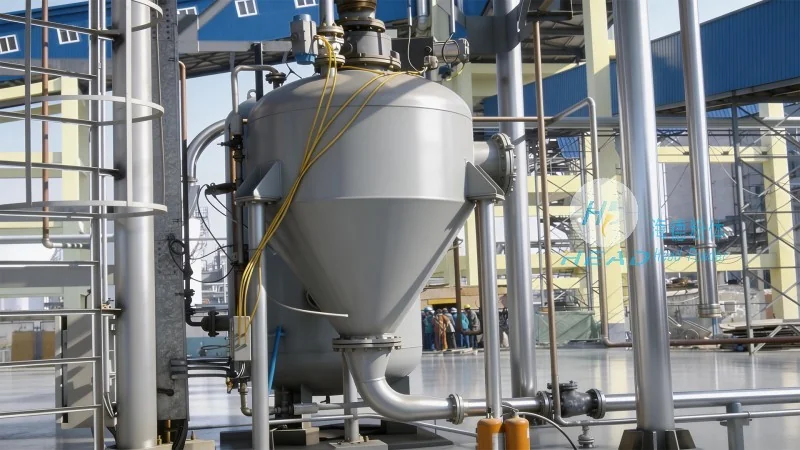
Pneumatic Conveying Systems
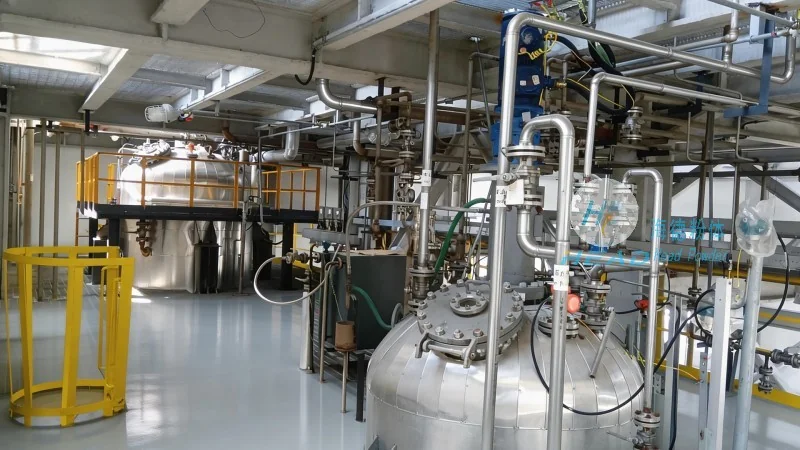
Pneumatic conveying, also known as air-swept transport, is a widely used method for moving calcium lime due to its ability to handle fine powders and abrasive materials. This system uses compressed air to create a flow that transports the material through a pipeline. The primary advantages of pneumatic conveying include high throughput, minimal material degradation, and the ability to transport materials over long distances without the need for multiple transfer points. However, it also has significant drawbacks, such as higher energy consumption, the requirement for proper air filtration to prevent dust emissions, and potential blockages if the material is too fine or contains excessive moisture.
Screw Conveyors
Screw conveyors, or auger conveyors, are mechanical devices that use a rotating screw to move calcium lime through a trough or tube. This method is particularly effective for handling bulk materials with moderate flowability and is commonly used in applications where the material needs to be elevated or moved horizontally. The advantages of screw conveyors include low maintenance costs, the ability to operate in a closed system to contain dust, and the simplicity of installation. The main disadvantages are the limited throughput compared to pneumatic systems, potential for material degradation due to friction, and the need for regular cleaning to prevent clogging, especially with cohesive or sticky calcium lime.
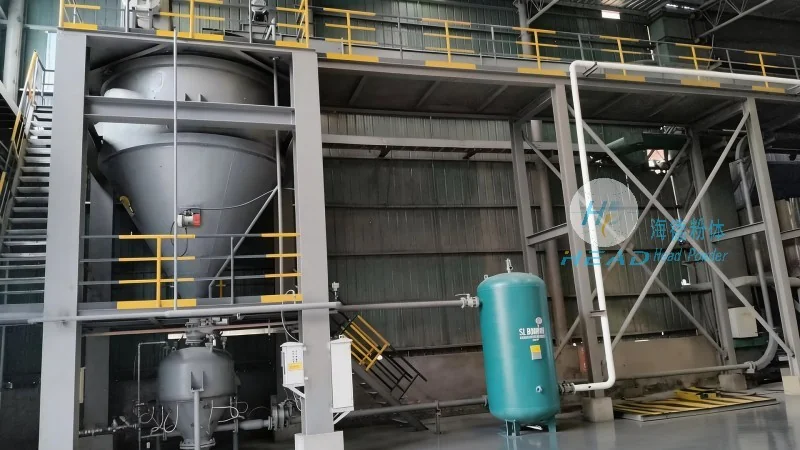
Belt Conveyors
Belt conveyors use a continuous belt to transport calcium lime, making them suitable for moving large volumes of material over short to medium distances. This method is often employed in open-air applications or where the material needs to be transferred between different levels. The advantages of belt conveyors include high capacity, low energy consumption per tonne, and the ability to handle a wide range of material sizes. However, they have limitations, including the need for a level or gently sloping path, the risk of material spillage if the belt is not properly aligned, and the higher initial cost compared to screw conveyors. Additionally, belt conveyors may not be suitable for very fine or dusty calcium lime, as the material can easily fall through the belt or cause excessive wear.
Gravity Feed Systems
Gravity feed systems rely on the natural weight of the calcium lime to move it from a higher to a lower level. This method is typically used for short vertical or inclined transfers where the material's angle of repose allows it to flow freely. The primary advantage of gravity feed is its low energy consumption and simplicity, as it requires no moving parts or external power. However, it is only feasible for applications with minimal vertical distance and where the material is free-flowing and non-abrasive. The main disadvantages include the limited throughput, the need for a precise slope to ensure proper flow, and the risk of material bridging or clogging in the hopper, which can lead to operational interruptions.
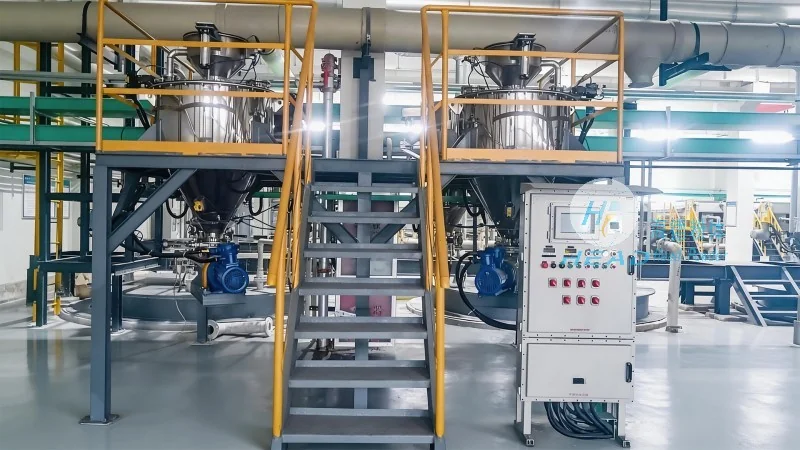
HeadPowder Engineering: Expertise in Calcium Lime Transport Solutions
Shandong HeadPowder Engineering Co., Ltd., a leading provider of industrial material handling solutions, specializes in designing and manufacturing customized transport systems for calcium lime and other bulk materials. With years of experience in the industry, HeadPowder offers a range of equipment, including pneumatic conveyors, screw conveyors, and belt conveyors, tailored to meet the specific needs of clients. The company's engineering team works closely with customers to assess their operational requirements, material characteristics, and site constraints, ensuring that the selected transport method maximizes efficiency, minimizes downtime, and complies with safety regulations. HeadPowder's commitment to quality and innovation has made it a trusted partner for facilities worldwide, helping them optimize their calcium lime handling processes and achieve sustainable operational performance.

 Shandong Headpowder Engineering Co., Ltd.
 156-6277-7102(Quản lý Trương)
  0531-83386006
  Thành phố Tế Nam, Tỉnh Sơn Đông, Trung Quốc
Điện thoại
WeChatTư vấn
Lên đầu