Với hơn 10 năm kinh nghiệm về vận chuyển khí nén, Headpowder Sơn Đông cung cấp hệ thống, thiết bị và quạt gió toàn chuỗi, đảm nhận các dự án kỹ thuật bột trọn gói trên toàn quốc.
When managing lithium-ion batteries, selecting the appropriate handling method is crucial for safety, efficiency, and operational consistency. The choice of battery handling method depends on various factors, including the scale of operations, the type of batteries being handled, and the specific requirements of the production or logistics process. This article explores the primary lithium-ion battery handling methods, providing insights into their applications and benefits.
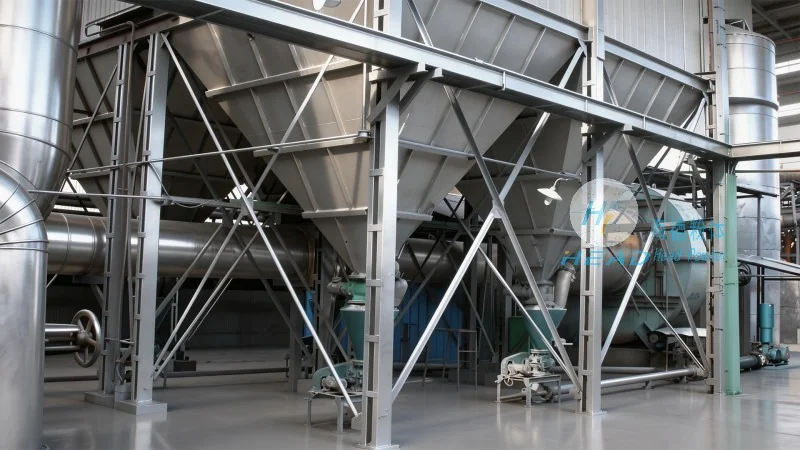
Introduction to Lithium-ion Battery Handling
Lithium-ion batteries are widely used in various industries, from consumer electronics to energy storage systems. Proper handling is essential to prevent damage to the batteries, ensure product quality, and maintain workplace safety. The methods used for handling lithium-ion batteries can range from manual operations to fully automated systems, each with its own advantages and limitations.
Key Factors Influencing Battery Handling Method Selection
Before determining the most suitable battery handling method, several key factors must be considered. These include the volume of batteries being processed, the physical characteristics of the batteries (such as size, weight, and shape), the environment in which handling occurs (e.g., indoor vs. outdoor operations), and the level of automation desired. Additionally, regulatory requirements and safety standards play a critical role in selecting an appropriate handling solution.
Manual Handling Methods
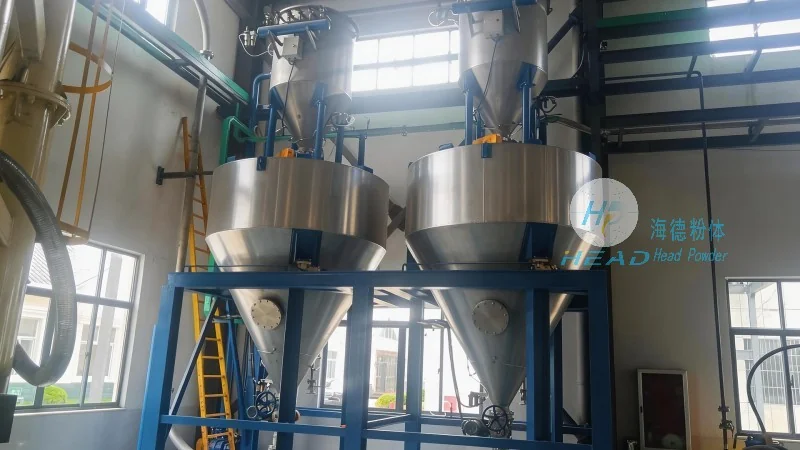
Manual handling remains a common approach, especially in smaller-scale operations or for batteries that are lightweight and easily manageable. This method involves human operators using tools like pallet jacks, forklifts, or hand trucks to move batteries. While manual handling is cost-effective and flexible, it poses risks related to operator fatigue, potential for human error, and limited scalability for high-volume operations.
Mechanical Handling Equipment
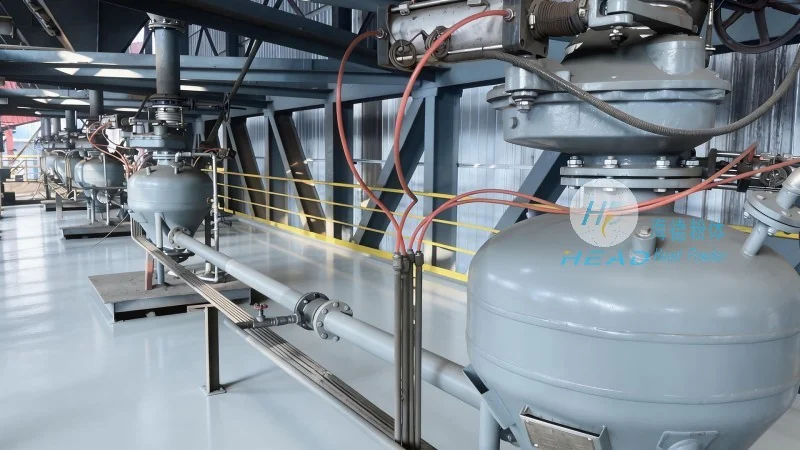
For medium to large-scale operations, mechanical handling equipment is often employed. This category includes forklifts, pallet trucks, and specialized battery handling machines. These devices enhance efficiency by reducing the physical strain on operators and increasing the speed of battery movement. Mechanical handling solutions are particularly suitable for handling heavy or bulky batteries, where manual lifting is impractical. HeadPowder, a leading provider of battery handling solutions, offers customized mechanical equipment tailored to specific battery types and operational needs.
Automated and Robotic Handling Systems
In high-volume production environments, automated and robotic handling systems are increasingly prevalent. These systems utilize robotics, conveyor belts, and automated guided vehicles (AGVs) to handle batteries with precision and consistency. Automated handling reduces human intervention, minimizes errors, and improves overall productivity. However, the initial investment and maintenance costs for such systems are higher compared to manual or mechanical alternatives. The implementation of automated handling requires careful planning and integration with existing production lines.
Specialized Handling Solutions for Lithium-ion Batteries
Given the unique properties of lithium-ion batteries, such as their sensitivity to temperature and physical stress, specialized handling methods are often necessary. For example, some handling systems incorporate temperature control features to prevent overheating during transport. Others use anti-static materials and protective enclosures to safeguard batteries from damage or electrical hazards. Shandong HeadPowder Engineering Co., Ltd., headquartered in Shandong, China, specializes in developing customized battery handling solutions that address the specific challenges of lithium-ion battery processing, ensuring compliance with industry standards and enhancing operational efficiency.
Considerations for Safety and Compliance
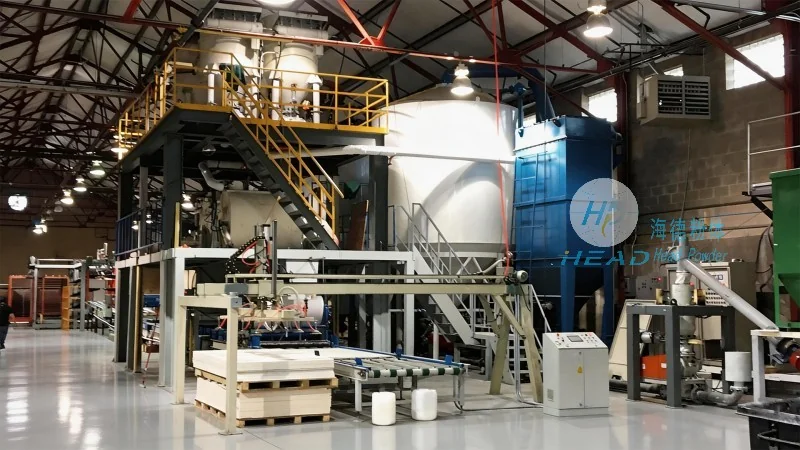
Regardless of the chosen handling method, safety and compliance are paramount. Lithium-ion batteries can pose fire and explosion risks if mishandled. Therefore, all handling systems must adhere to safety guidelines, including proper training for operators, regular maintenance of equipment, and the use of protective gear. Compliance with local regulations and industry standards, such as those from the International Electrotechnical Commission (IEC) and the National Fire Protection Association (NFPA), is essential to mitigate risks and ensure operational legality.
Conclusion
The selection of a lithium-ion battery handling method is a critical decision that impacts operational efficiency, safety, and cost-effectiveness. By evaluating factors such as volume, battery characteristics, and automation needs, businesses can choose the most appropriate solution. Companies like Shandong HeadPowder Engineering Co., Ltd. provide expertise and customized solutions to help organizations implement effective battery handling strategies, ensuring smooth operations and adherence to safety standards.

 Shandong Headpowder Engineering Co., Ltd.
 156-6277-7102(Quản lý Trương)
  0531-83386006
  Thành phố Tế Nam, Tỉnh Sơn Đông, Trung Quốc
Điện thoại
WeChatTư vấn
Lên đầu