Với hơn 10 năm kinh nghiệm về vận chuyển khí nén, Headpowder Sơn Đông cung cấp hệ thống, thiết bị và quạt gió toàn chuỗi, đảm nhận các dự án kỹ thuật bột trọn gói trên toàn quốc.
Alumina, a critical industrial material widely utilized in refractory, ceramic, and chemical sectors, demands efficient and reliable conveying systems to ensure seamless material handling processes. The choice of conveying method significantly impacts operational efficiency, material quality, and overall production costs. Among various options, pneumatic conveying emerges as a preferred solution for alumina transport due to its unique advantages and adaptability to diverse industrial applications.
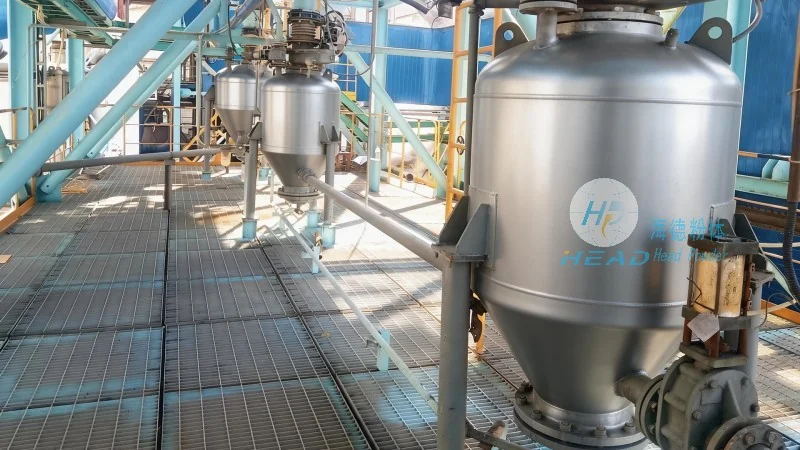
Pneumatic Conveying: A Preferred Method for Alumina Transport
HeadPowder, a leading provider of material handling solutions, specializes in pneumatic conveying systems tailored for alumina. Pneumatic conveying utilizes air or gas to transport bulk materials like alumina through a pipeline network. This method offers several benefits that make it ideal for alumina handling, including non-contact material transport, which prevents contamination and damage to the material. Additionally, pneumatic systems can handle a wide range of alumina particle sizes and moisture levels, making them versatile for different production stages.
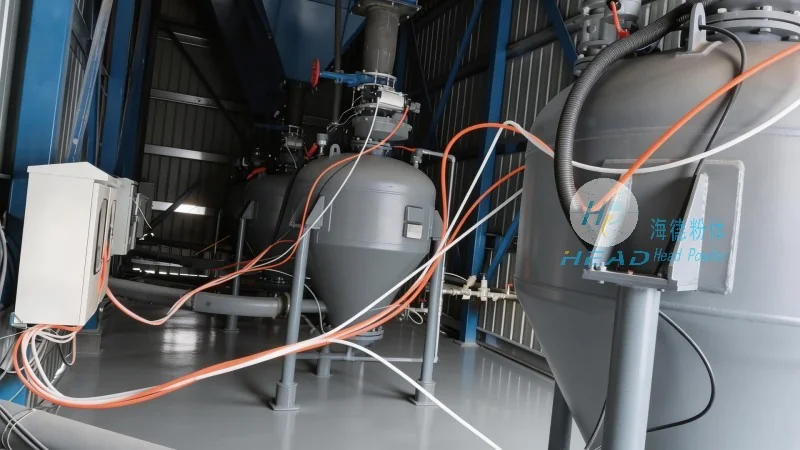
Key Advantages of Pneumatic Conveying for Alumina
One of the primary advantages of pneumatic conveying is its ability to maintain material integrity. Unlike mechanical systems that may cause abrasion or segregation, pneumatic transport ensures that alumina particles remain intact, preserving their quality for downstream processes. This is particularly crucial in applications where alumina is used as a raw material for high-value products, such as refractory bricks or advanced ceramics. Moreover, pneumatic systems offer flexibility in layout, allowing for complex pipe networks that can navigate around obstacles in industrial facilities, optimizing space utilization.
Efficiency and Cost-Effectiveness in Alumina Conveying
From an operational perspective, pneumatic conveying systems provide high throughput rates, enabling continuous material flow without interruptions. This leads to increased productivity and reduced downtime in alumina processing plants. The system's ability to handle both small and large volumes of alumina makes it suitable for various production scales, from small-scale laboratories to large-scale industrial operations. Furthermore, pneumatic conveying reduces labor costs associated with manual handling and minimizes the risk of workplace accidents, contributing to a safer working environment.
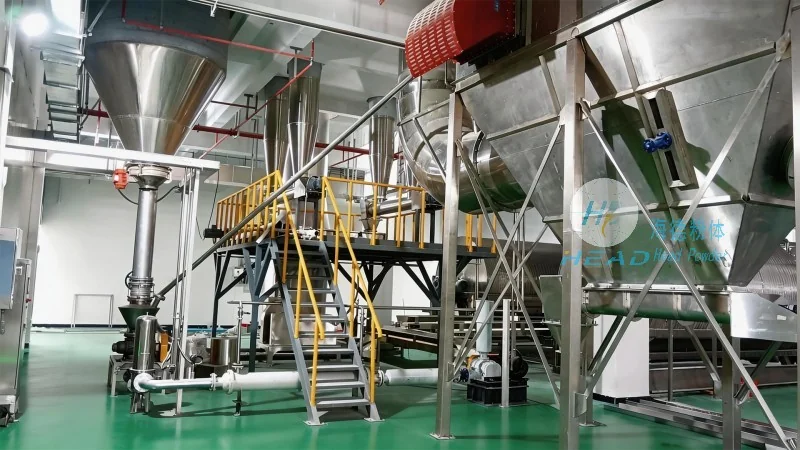
Customization and Scalability of Pneumatic Conveying Solutions
HeadPowder understands that each alumina processing facility has unique requirements. Therefore, their pneumatic conveying solutions are designed to be customizable, accommodating specific material characteristics, flow rates, and system configurations. The company's expertise in engineering and manufacturing allows for the development of tailored systems that meet the exact needs of clients. Whether it's a new plant setup or an upgrade to an existing conveying system, HeadPowder's solutions are scalable, ensuring that the system can grow with the client's production demands over time.
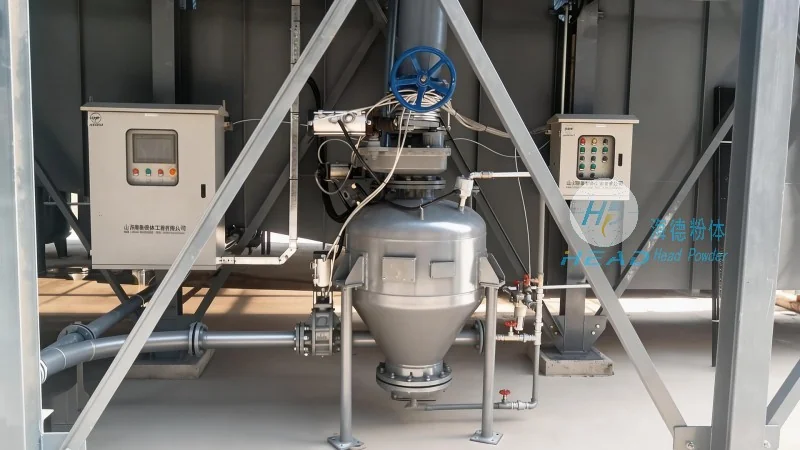
Conclusion: Choosing the Right Conveying Method for Alumina
When selecting a conveying method for alumina, it is essential to consider factors such as material properties, production requirements, and operational efficiency. Pneumatic conveying, as highlighted by HeadPowder, offers a robust and reliable solution that addresses the challenges of alumina transport. By leveraging advanced technology and engineering expertise, HeadPowder provides systems that enhance productivity, maintain material quality, and ensure cost-effective operations. For businesses in the alumina industry, investing in a well-designed pneumatic conveying system is a strategic decision that can lead to long-term success and competitive advantage.

 Shandong Headpowder Engineering Co., Ltd.
 156-6277-7102(Quản lý Trương)
  0531-83386006
  Thành phố Tế Nam, Tỉnh Sơn Đông, Trung Quốc
Điện thoại
WeChatTư vấn
Lên đầu