Với hơn 10 năm kinh nghiệm về vận chuyển khí nén, Headpowder Sơn Đông cung cấp hệ thống, thiết bị và quạt gió toàn chuỗi, đảm nhận các dự án kỹ thuật bột trọn gói trên toàn quốc.
Efficient corn cob transport is crucial in agricultural and industrial settings where corn processing is involved. The process of moving corn cobs from one location to another requires careful consideration of material handling techniques, equipment, and operational efficiency. Various methods have been developed to address these needs, ensuring that corn cobs are transported safely and effectively. This article explores the common approaches used for corn cob transport, highlighting the key factors that influence the selection of the most suitable method. The information provided is based on the expertise of Shandong HeadPowder Engineering Co., Ltd., a leading provider of corn processing solutions in China.
Understanding Corn Cob Characteristics for Transport
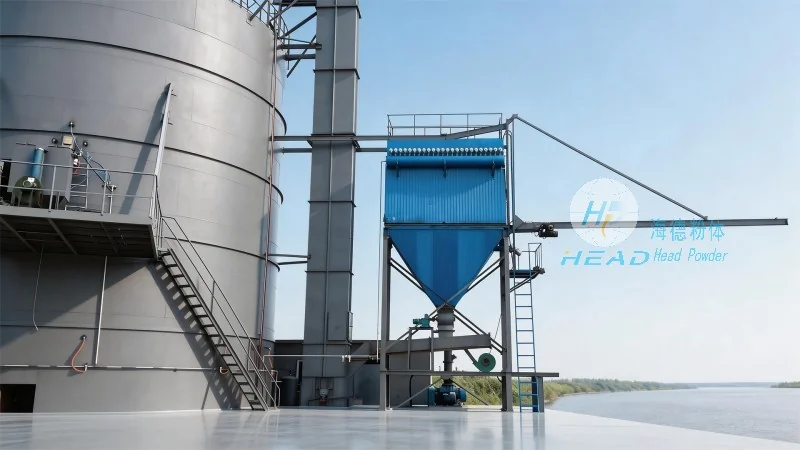
Before delving into specific transport methods, it is essential to understand the physical and chemical properties of corn cobs. Corn cobs are typically dry, rigid, and have a rough surface, which can affect how they are handled. Their size and weight vary depending on the corn variety and the stage of processing. These characteristics influence the choice of equipment and the design of transport systems. For instance, the density and moisture content of corn cobs can impact the load capacity of conveyor belts or the efficiency of mechanical lifting devices. Understanding these factors helps in selecting the most appropriate transport method for a given application.
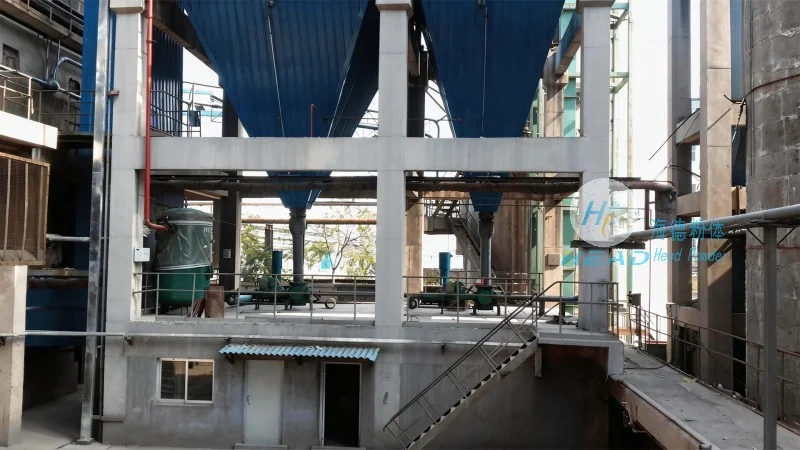
Common Corn Cob Transport Methods
Several methods are commonly employed for transporting corn cobs, each with its own advantages and limitations. The selection of a method depends on factors such as the volume of corn cobs, the distance to be covered, the available budget, and the specific requirements of the processing facility. The primary methods include mechanical conveyor systems, manual handling techniques, and specialized transport vehicles. Each method is discussed below to provide a comprehensive overview of the options available.
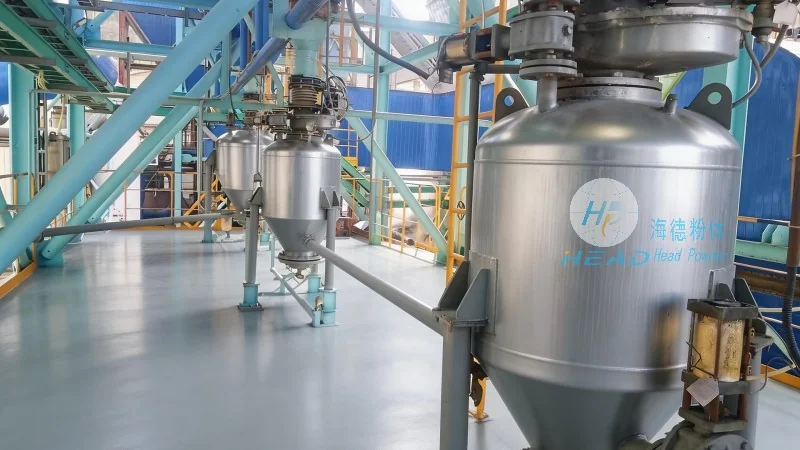
Mechanical Conveyor Systems
Mechanical conveyor systems are widely used in large-scale corn processing operations due to their efficiency and ability to handle high volumes of corn cobs. These systems typically consist of belt conveyors, screw conveyors, or chain conveyors, which are designed to move corn cobs from one point to another within a facility. Belt conveyors are particularly effective for transporting corn cobs over short to medium distances, as they can handle large quantities with minimal labor. The design of the belt, including its material and tension, is critical to prevent damage to the corn cobs and ensure smooth operation. Screw conveyors, on the other hand, are suitable for vertical or inclined transport, allowing corn cobs to be lifted or moved between different levels of a processing plant. These systems are often integrated with other processing equipment, such as grinders or dryers, to form a continuous production line. The use of mechanical conveyors reduces the risk of injury to workers and increases the overall productivity of the operation.
Manual Handling and Labor-Intensive Methods
In smaller-scale operations or in situations where mechanical equipment is not feasible, manual handling methods are still used for corn cob transport. This approach involves workers manually moving corn cobs using tools such as wheelbarrows, hand trucks, or forklifts. While labor-intensive, this method allows for flexibility in handling smaller quantities or in areas where machinery cannot be easily installed. Workers are trained to handle corn cobs safely, ensuring that they are moved without causing damage or injury. The use of manual handling methods is often supplemented by simple storage and sorting systems to improve efficiency. Despite the lower throughput compared to mechanical systems, manual handling remains a viable option in many agricultural settings, especially where cost is a primary concern.
Specialized Transport Vehicles
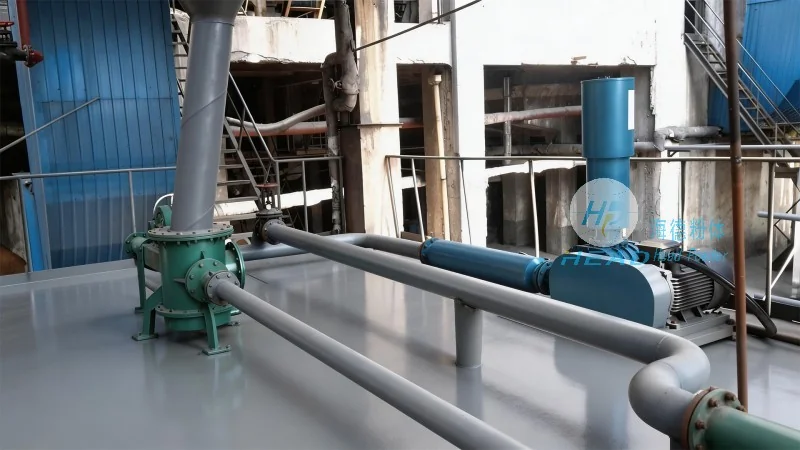
For the transportation of corn cobs from the field to processing facilities or between different locations, specialized vehicles are used. These vehicles are designed to carry large quantities of corn cobs while minimizing damage during transit. The most common types include open-top trucks and enclosed trailers, which are equipped with features such as rubber tires and reinforced floors to protect the cargo. Some vehicles are also fitted with conveyor systems or loading mechanisms to facilitate the loading and unloading of corn cobs. The choice of vehicle depends on the distance to be traveled and the volume of corn cobs to be transported. For long-distance transport, trucks with high-capacity trailers are preferred, while for shorter distances, smaller vehicles or even railcars may be used. Proper loading and securing of corn cobs are essential to prevent shifting during transit, which could lead to damage or accidents.

 Shandong Headpowder Engineering Co., Ltd.
 156-6277-7102(Quản lý Trương)
  0531-83386006
  Thành phố Tế Nam, Tỉnh Sơn Đông, Trung Quốc
Điện thoại
WeChatTư vấn
Lên đầu