Với hơn 10 năm kinh nghiệm về vận chuyển khí nén, Headpowder Sơn Đông cung cấp hệ thống, thiết bị và quạt gió toàn chuỗi, đảm nhận các dự án kỹ thuật bột trọn gói trên toàn quốc.
When it comes to the transportation of magnesium hydroxide, there are several methods and considerations that need to be taken into account to ensure safe and efficient handling. As a key component in various industrial applications, magnesium hydroxide's properties, such as its density and reactivity, play a significant role in determining the most suitable transport method. This article will explore the common approaches used for transporting magnesium hydroxide, focusing on the practical aspects and best practices in the industry.
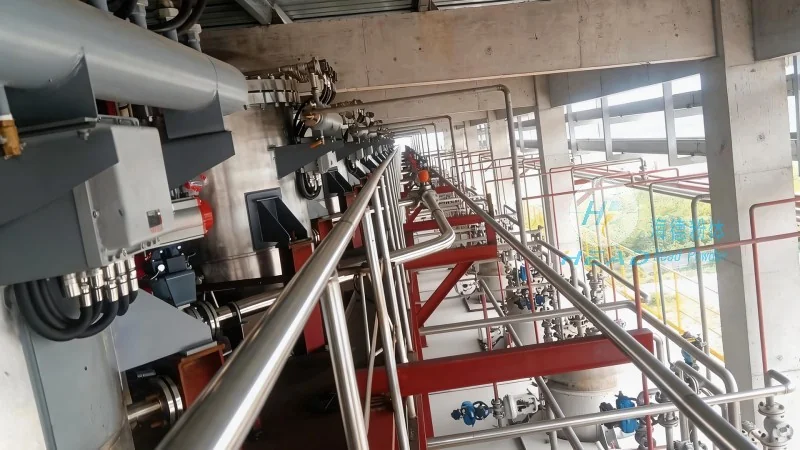
Understanding the Properties of Magnesium Hydroxide for Transport
Before delving into the specific transport methods, it's essential to understand the characteristics of magnesium hydroxide. Magnesium hydroxide, with the chemical formula Mg(OH)₂, is a white powder that is insoluble in water but can react with acids. Its density is approximately 2.34 g/cm³, and it has a relatively low bulk density when compared to other industrial powders. These properties influence how it behaves during transportation, particularly in terms of flowability and potential dust generation. For instance, its fine particle size can lead to dust issues if not handled properly, which is why containment and ventilation are critical during transport. Additionally, the material's stability under different environmental conditions, such as temperature and humidity, must be considered to prevent degradation or caking, which could affect the transport process.
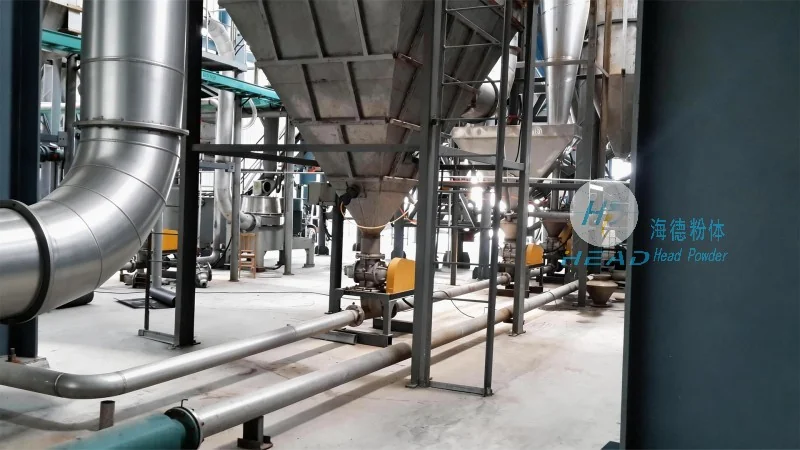
Common Transport Methods for Magnesium Hydroxide
There are primarily two main categories of transport methods for magnesium hydroxide: bulk transport and packaged transport. Each method has its advantages and is chosen based on the volume of the material being transported, the distance, and the specific requirements of the end-user. Bulk transport is typically used for large quantities, while packaged transport is more suitable for smaller batches or when the material needs to be delivered to specific locations with less handling involved.
Bulk Transport Methods
Bulk transport of magnesium hydroxide often involves the use of specialized equipment designed to handle powders safely. One common method is the use of bulk trucks or trailers equipped with pneumatic conveying systems. These systems use air pressure to move the powder from the source to the destination, minimizing the risk of dust exposure and ensuring a continuous flow. The trucks are usually fitted with a hopper at the top and a discharge valve at the bottom, allowing for controlled release of the material. This method is particularly effective for long-distance transport, as it can handle large volumes efficiently and reduces the need for multiple loading and unloading steps. Another option for bulk transport is the use of railcars or barges, especially when transporting the material over water or long distances by rail. Railcars are often used for intermodal transport, where the material can be transferred between trucks and trains, providing flexibility in logistics. Barges, on the other hand, are ideal for waterway transport, particularly in regions with extensive river networks. Both rail and water transport offer cost-effective solutions for bulk magnesium hydroxide, especially when dealing with high volumes.
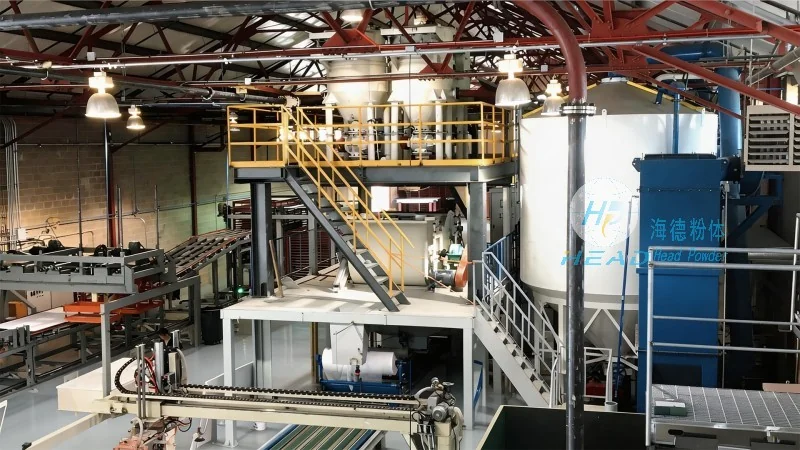
Packaged Transport Methods
Packaged transport involves moving magnesium hydroxide in sealed containers, such as bags, drums, or containers. This method is commonly used for smaller quantities or when the material needs to be delivered to locations that may not have the infrastructure for bulk transport. The most common packaging is the multi-wall paper bag, which is lightweight, cost-effective, and provides adequate protection against moisture and minor impacts. These bags are typically filled with the powder and sealed to prevent contamination and spillage. For more sensitive or higher-value applications, plastic or metal drums may be used, offering better protection against moisture and physical damage. Containers, such as ISO containers, are also used for bulk packaged transport, allowing for the shipment of large quantities while maintaining the integrity of the material. The choice of packaging depends on factors like the destination, the duration of transport, and the potential for exposure to environmental elements. For example, in humid climates, moisture-resistant packaging is preferred to prevent caking or degradation of the magnesium hydroxide.
Key Considerations for Safe and Efficient Transport
Regardless of the transport method chosen, several key considerations must be addressed to ensure the safety and efficiency of magnesium hydroxide transport. First, proper containment and ventilation are crucial to prevent dust exposure, which can be harmful to workers and the environment. Dust suppression systems, such as water sprays or bagging equipment, are often used to minimize dust generation during loading and unloading. Second, the material's stability must be maintained throughout the transport process. This includes controlling temperature and humidity levels, as magnesium hydroxide can absorb moisture from the air, leading to caking or changes in its physical properties. Third, proper labeling and documentation are essential for compliance with transportation regulations. Magnesium hydroxide is generally classified as a non-hazardous material, but it is still important to follow the guidelines set by organizations like the International Maritime Organization (IMO) and the International Air Transport Association (IATA) to ensure safe handling and transport. Finally, regular maintenance of the transport equipment is necessary to prevent mechanical failures that could lead to spills or accidents. This includes checking for wear and tear on conveyor systems, ensuring the integrity of containers, and maintaining the functionality of pneumatic conveying systems.
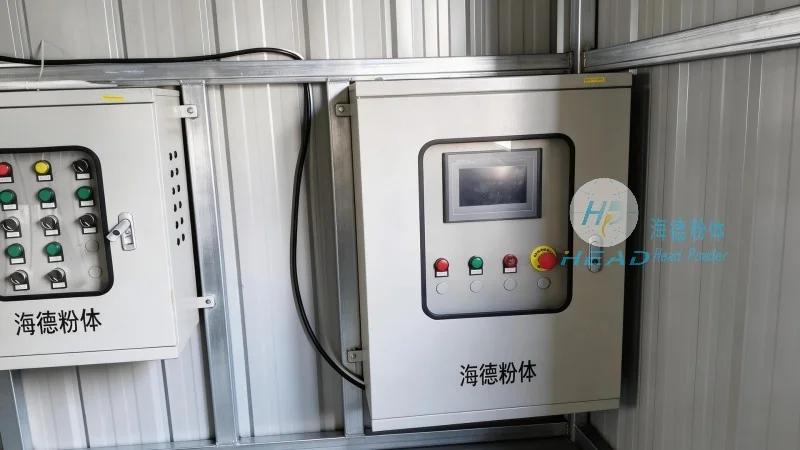
Conclusion
In conclusion, the transportation of magnesium hydroxide requires careful consideration of the material's properties and the specific requirements of the transport operation. Whether using bulk or packaged transport methods, ensuring safety, efficiency, and compliance with regulations is paramount. By understanding the characteristics of magnesium hydroxide and implementing appropriate transport strategies, companies can effectively manage the movement of this important industrial material. As a leading provider in the field, Shandong HeadPowder Engineering Co., Ltd. specializes in the handling and transport of magnesium hydroxide, offering tailored solutions to meet the diverse needs of its clients. With a focus on safety and quality, the company ensures that magnesium hydroxide is transported in a manner that meets industry standards and customer expectations.

 Shandong Headpowder Engineering Co., Ltd.
 156-6277-7102(Quản lý Trương)
  0531-83386006
  Thành phố Tế Nam, Tỉnh Sơn Đông, Trung Quốc
Điện thoại
WeChatTư vấn
Lên đầu