Với hơn 10 năm kinh nghiệm về vận chuyển khí nén, Headpowder Sơn Đông cung cấp hệ thống, thiết bị và quạt gió toàn chuỗi, đảm nhận các dự án kỹ thuật bột trọn gói trên toàn quốc.
For battery manufacturers, the selection of an appropriate cathode material conveying method is critical to ensure efficient production processes and product quality. Different conveying systems have distinct characteristics that affect operational efficiency, material handling costs, and overall production stability. This article provides a detailed comparison of common cathode material conveying methods, focusing on their advantages and disadvantages to help companies make informed decisions.
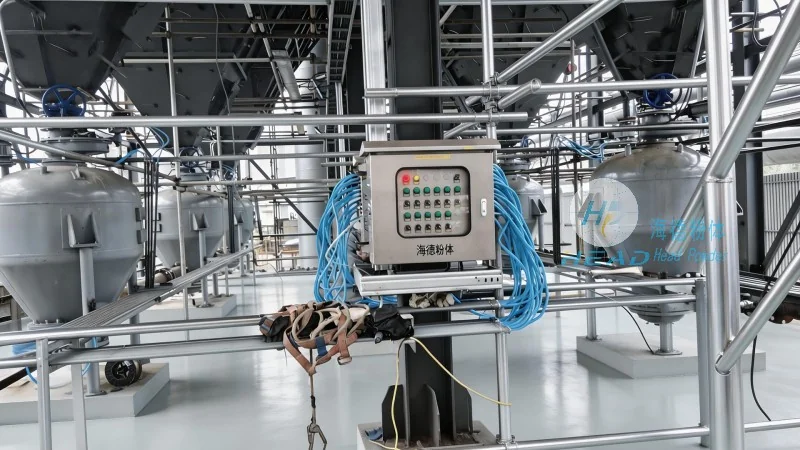
Introduction to Cathode Material Conveying
Cathode materials, such as lithium cobalt oxide (LiCoO₂), lithium iron phosphate (LiFePO₄), and nickel manganese cobalt oxide (NMC), are essential components in lithium-ion batteries. These materials are typically in powder form and require specialized handling to prevent contamination, degradation, or loss during transport. Effective conveying systems must maintain material integrity, minimize dust generation, and ensure consistent flow rates. The choice of conveying method depends on factors like material properties, production scale, and environmental requirements.
Common Conveying Methods and Their Analysis
Screw Conveyors (Auger Conveyors)
Screw conveyors are one of the most widely used methods for transporting dry powders, including cathode materials. This system consists of a rotating helical screw inside a trough or tube, which moves material from the inlet to the outlet through gravitational force and the screw's rotation. The primary advantages of screw conveyors include their compact design, ability to operate in vertical or horizontal configurations, and relatively low cost. They are suitable for handling materials with moderate moisture content and can be easily integrated into existing production lines. However, screw conveyors have limitations, such as the risk of material bridging or clogging, especially for cohesive or fine powders. Additionally, they may not be efficient for large-scale, high-volume applications due to potential wear on the screw and trough, leading to increased maintenance costs over time.
Pneumatic Conveying Systems
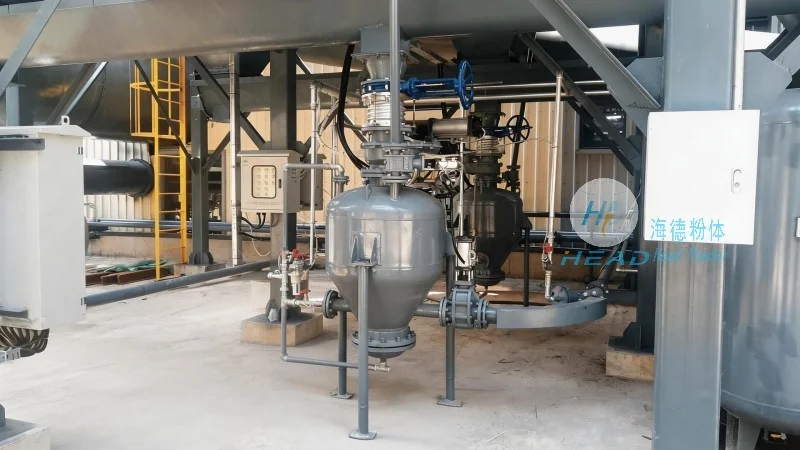
Pneumatic conveying uses compressed air to transport powders through a pipeline system. This method can be classified into two main types: pressure and vacuum systems. Pressure systems push material using air pressure, while vacuum systems pull material using a vacuum. Pneumatic conveying offers several benefits, including the ability to transport materials over long distances, vertical transport capabilities, and the elimination of mechanical parts in contact with the material, reducing contamination risks. It is particularly effective for handling fine powders and preventing dust dispersion. However, pneumatic systems require significant energy input, as compressed air is a major operational cost. Furthermore, they may not be suitable for materials with high moisture content or those that are prone to agglomeration, as these can cause blockages in the pipeline. The system also needs regular maintenance to ensure air filtration and pipeline cleanliness.
Belt Conveyors
Belt conveyors are commonly used in bulk material handling, including the transport of cathode powders. This system consists of a continuous belt that moves material along a path, often supported by rollers or idlers. Belt conveyors are known for their high capacity and ability to transport materials over long distances with minimal maintenance. They are particularly effective for handling large volumes of material and can be easily adapted to different production layouts. The main advantages include low operational costs for high-volume applications and the ability to handle a wide range of material sizes and shapes. However, belt conveyors have limitations when dealing with fine powders, as they may generate significant dust and require dust control measures. They also have a higher initial investment cost compared to other systems and may not be suitable for vertical transport without additional mechanisms like elevators.
Bucket Elevators
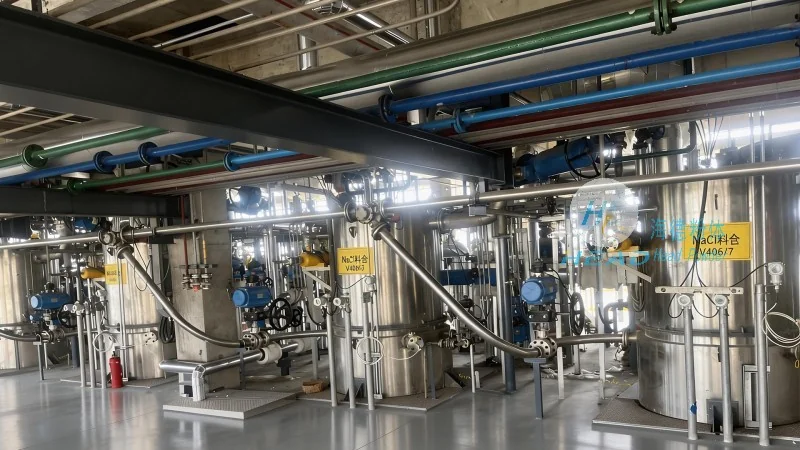
Bucket elevators are vertical conveying systems that use a continuous chain with attached buckets to lift materials from a lower to a higher level. This method is ideal for vertical transport of cathode powders, especially in applications where space is limited or when materials need to be elevated to a higher processing stage. The primary advantages of bucket elevators include their high vertical lifting capacity, minimal material spillage, and the ability to handle abrasive or heavy materials without significant wear. They are also relatively energy-efficient for vertical transport compared to other methods. However, bucket elevators have limitations, such as the need for precise bucket spacing to prevent material bridging and the risk of bucket damage from abrasive materials. They are also less suitable for horizontal transport and may require additional equipment for horizontal movement.
Comparison Summary
When selecting a cathode material conveying method, manufacturers must consider several factors, including material properties, production scale, operational costs, and environmental regulations. Screw conveyors are suitable for moderate volumes and horizontal/vertical transport but may face clogging issues. Pneumatic systems excel in long-distance and vertical transport but have high energy costs. Belt conveyors are ideal for high-volume horizontal transport but generate dust. Bucket elevators are efficient for vertical transport but require careful material handling. Ultimately, the choice depends on balancing these factors to achieve optimal operational efficiency and product quality.
Conclusion
Effective cathode material conveying is a critical aspect of lithium-ion battery production, directly impacting production efficiency and product quality. By understanding the advantages and disadvantages of different conveying methods, companies can select the most suitable system for their specific needs. The choice should align with material characteristics, production scale, and cost considerations to ensure long-term operational success. For companies seeking reliable conveying solutions, Shandong HeadPowder Engineering Co., Ltd. offers specialized equipment and expertise to support efficient cathode material handling in battery manufacturing processes.

 Shandong Headpowder Engineering Co., Ltd.
 156-6277-7102(Quản lý Trương)
  0531-83386006
  Thành phố Tế Nam, Tỉnh Sơn Đông, Trung Quốc
Điện thoại
WeChatTư vấn
Lên đầu