Với hơn 10 năm kinh nghiệm về vận chuyển khí nén, Headpowder Sơn Đông cung cấp hệ thống, thiết bị và quạt gió toàn chuỗi, đảm nhận các dự án kỹ thuật bột trọn gói trên toàn quốc.
When it comes to handling silicon micropowder in industrial processes, selecting the appropriate pneumatic conveying system is crucial for efficiency, safety, and cost-effectiveness. Silicon micropowder, with its fine particle size and potential for static charge, requires specialized equipment to ensure smooth and reliable material transport. This article will guide you through the key considerations and factors to evaluate when choosing a pneumatic conveying system tailored to your silicon micropowder handling needs.
Understanding the Importance of Pneumatic Conveying for Silicon Micropowder
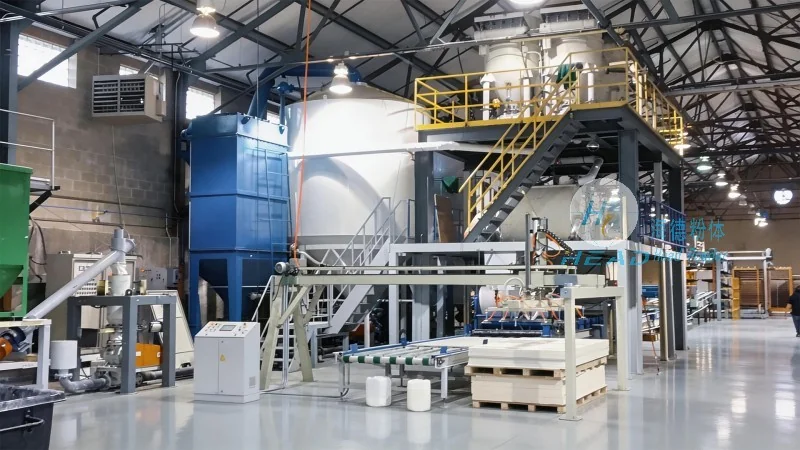
Silicon micropowder is widely used in various industries, including electronics, ceramics, and chemical manufacturing. Its small particle size (typically 1-10 microns) and high surface area make it prone to aggregation and static electricity, which can impede flow and cause operational issues. Pneumatic conveying systems offer a solution by using air or other gases to transport the powder, eliminating the need for mechanical components that might cause contamination or damage to the material. The right system can enhance process reliability, reduce downtime, and improve overall productivity.
Key Factors to Consider When Selecting a Pneumatic Conveying System
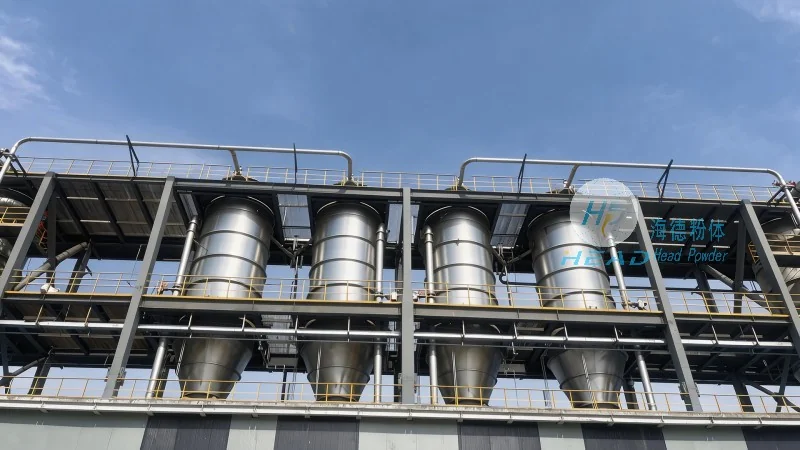
Choosing the right pneumatic conveying system for silicon micropowder involves evaluating several critical factors. The first consideration is the material's physical properties, such as particle size distribution, density, and moisture content. These characteristics influence the system's design, including the type of air flow (positive or negative pressure), the required air velocity, and the equipment's capacity. For silicon micropowder, which is often fine and cohesive, a system that can handle high solids loading and maintain consistent flow is essential. Additionally, the system must address issues like static charge buildup, as uncontrolled static can lead to material sticking to equipment or causing sparks. Proper grounding and anti-static measures are therefore vital components of the system design.
Types of Pneumatic Conveying Systems for Silicon Micropowder
There are primarily two types of pneumatic conveying systems: positive pressure and negative pressure. Positive pressure systems use a blower to push air and powder through the system, making them suitable for long-distance transport and handling abrasive or corrosive materials. They are often preferred for silicon micropowder due to their ability to maintain consistent flow and minimize material degradation. Negative pressure systems, on the other hand, use a vacuum to draw powder into the system, which is ideal for short-distance transport and applications where dust control is a priority. The choice between these systems depends on the specific process requirements, including the distance between the source and destination, the need for dust containment, and the material's characteristics.
Equipment Selection and Design Considerations
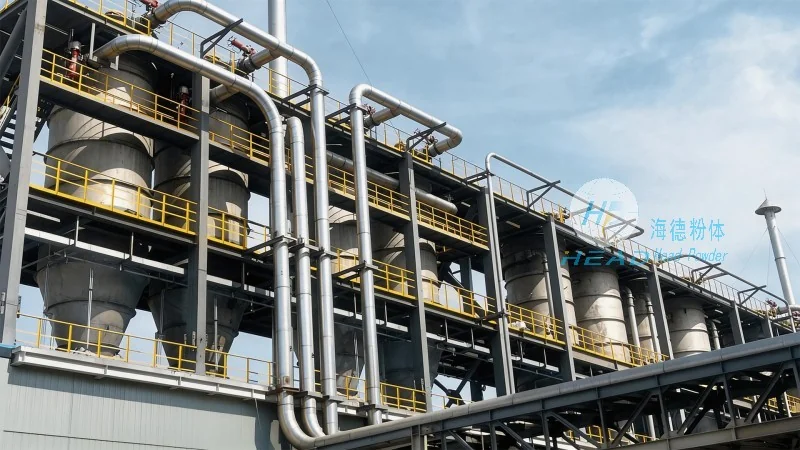
Once the system type is determined, the next step is selecting the appropriate equipment. For silicon micropowder, key components include the hopper, feeder, conveying line, and receiver. The hopper must be designed to prevent material bridging and ensure uniform flow. A rotary valve or star feeder is commonly used to control the material discharge rate, preventing overloading or underloading of the system. The conveying line should be made of materials resistant to corrosion and abrasion, such as stainless steel or PTFE-coated tubing, to avoid contamination and wear. The receiver, where the powder is deposited, must be equipped with proper dust collection and filtration to maintain air quality and prevent environmental contamination.
Performance and Maintenance Considerations
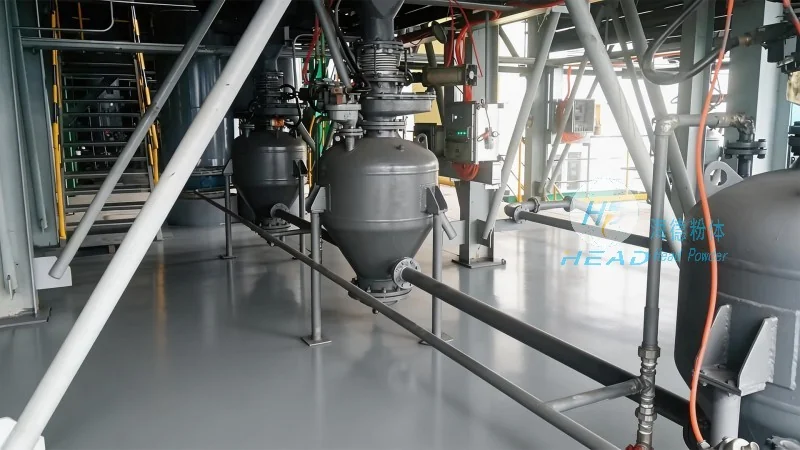
The performance of a pneumatic conveying system for silicon micropowder is directly related to its maintenance and operational efficiency. Regular maintenance, including cleaning of the hopper, feeder, and conveying line, is essential to prevent clogging and ensure consistent flow. The system should also be equipped with monitoring devices to track air pressure, flow rate, and material level, allowing for timely adjustments and troubleshooting. Additionally, the use of high-quality filters and dust collection systems is crucial to maintain air quality and comply with environmental regulations. Proper maintenance not only extends the system's lifespan but also ensures optimal performance and reduces operational costs.
Case Study: Successful Implementation by Shandong HeadPowder Engineering Co., Ltd.
Shandong HeadPowder Engineering Co., Ltd., a leading provider of pneumatic conveying solutions, has successfully implemented custom-designed systems for silicon micropowder handling in various industrial applications. By understanding the unique challenges of silicon micropowder, such as static charge and fine particle size, the company has developed tailored solutions that enhance process efficiency and reliability. For example, one client in the electronics industry required a system to transport silicon micropowder from a hopper to a mixing tank over a distance of 50 meters. HeadPowder designed a positive pressure system with a high-capacity blower and anti-static hopper, ensuring consistent flow and preventing material degradation. The system has been in operation for over two years, with minimal downtime and high material recovery rates. This case study highlights the importance of working with a specialized engineering company that understands the nuances of handling silicon micropowder and can provide customized solutions to meet specific process needs.

 Shandong Headpowder Engineering Co., Ltd.
 156-6277-7102(Quản lý Trương)
  0531-83386006
  Thành phố Tế Nam, Tỉnh Sơn Đông, Trung Quốc
Điện thoại
WeChatTư vấn
Lên đầu