Với hơn 10 năm kinh nghiệm về vận chuyển khí nén, Headpowder Sơn Đông cung cấp hệ thống, thiết bị và quạt gió toàn chuỗi, đảm nhận các dự án kỹ thuật bột trọn gói trên toàn quốc.
When it comes to handling textile fibers in industrial settings, selecting the right conveying method is crucial for efficiency, cost-effectiveness, and product quality. Shandong HeadPowder Engineering Co., Ltd., a leading provider in the field, offers insights into the common methods used for textile fiber transport and their respective pros and cons. Based in Shandong, China, the company specializes in engineering solutions tailored to the unique demands of the textile industry.
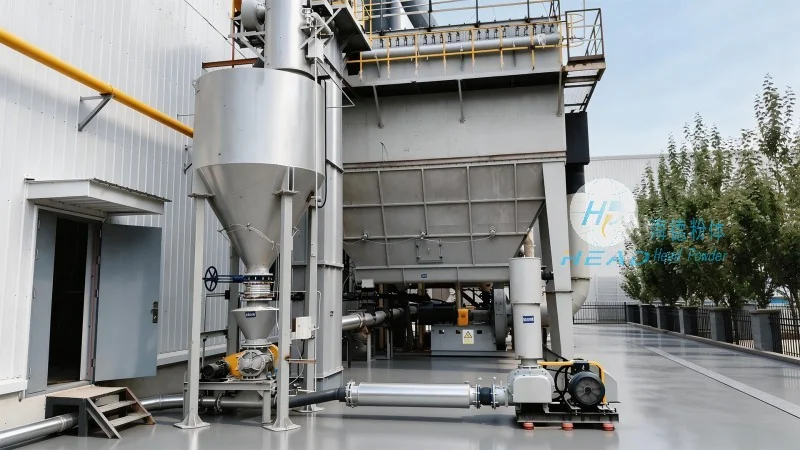
Understanding Textile Fiber Conveying: Key Considerations
Before diving into specific methods, it's essential to understand the core factors that influence the choice of a conveying system. Textile fibers vary widely in terms of size, shape, and moisture content, which directly impacts how they behave during transport. Additionally, factors such as production scale, space availability, and environmental regulations play a significant role in determining the most suitable approach. At Shandong HeadPowder Engineering Co., Ltd., our expertise lies in matching these variables with the optimal conveying technology to ensure seamless operation.
1. Air-Flow Conveying: The Pneumatic Solution
Air-flow or pneumatic conveying is a widely used method for transporting fine textile fibers. This technique involves using compressed air to move fibers through a pipeline system. The primary advantage of this method is its ability to handle delicate fibers without causing damage, making it ideal for materials like cotton, polyester, and nylon. Furthermore, air-flow conveying systems are relatively compact and can be easily integrated into existing production lines. However, a major drawback is the high energy consumption associated with compressed air, which can increase operational costs over time. Another consideration is the potential for fiber buildup in the system, requiring regular maintenance to prevent blockages. Shandong HeadPowder Engineering Co., Ltd. has developed advanced air-flow systems that optimize energy use while ensuring reliable performance.
2. Mechanical Conveying: The Traditional Approach
Mechanical conveying methods, such as belt conveyors, screw conveyors, and chain conveyors, have been used for decades in the textile industry. These systems rely on physical components to move fibers from one location to another. The main advantage of mechanical conveyors is their low energy consumption compared to pneumatic systems, as they do not require compressed air. They are also highly durable and can handle a wide range of fiber types, including bulkier materials like wool or synthetic blends. However, mechanical conveyors are often limited by their size and the need for regular maintenance to keep moving parts in good condition. Additionally, they may not be suitable for very fine fibers, as the mechanical components can cause abrasion or breakage. Shandong HeadPowder Engineering Co., Ltd. offers customized mechanical conveying solutions that address these limitations, ensuring efficient and reliable transport.
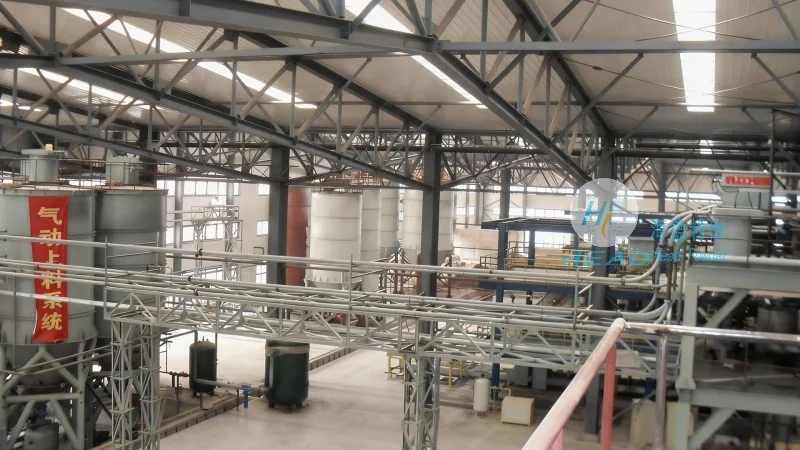
3. Vacuum Conveying: Balancing Efficiency and Control
Vacuum conveying is another pneumatic method that uses a vacuum to draw fibers into a collection system. This approach is particularly effective for handling lightweight fibers and can be used in both enclosed and open systems. The key advantage of vacuum conveying is its ability to control the flow rate and direction of fibers, providing better precision in the transport process. It also reduces the risk of dust and fiber dispersion compared to air-flow systems, which is beneficial for maintaining a clean working environment. However, vacuum systems may have lower throughput compared to high-pressure air-flow systems, and they require careful design to prevent air leaks and maintain vacuum levels. Shandong HeadPowder Engineering Co., Ltd. specializes in vacuum conveying systems that offer enhanced control and efficiency for various textile applications.
4. Hybrid Conveying Systems: Combining the Best of Both Worlds
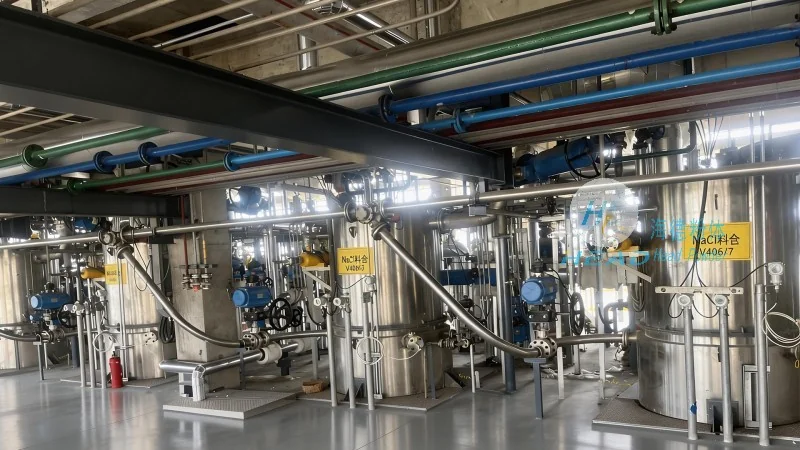
In many cases, textile manufacturers opt for hybrid conveying systems that combine elements of pneumatic and mechanical methods. These systems often use a combination of vacuum and mechanical components to achieve optimal performance. For example, a hybrid system might use a vacuum to draw fibers into a hopper and then use a screw conveyor to transport them to the next stage. The primary advantage of hybrid systems is their flexibility and adaptability to different fiber types and production requirements. They can handle both fine and coarse fibers while maintaining efficiency and control. However, the complexity of hybrid systems can increase installation and maintenance costs. Shandong HeadPowder Engineering Co., Ltd. provides comprehensive hybrid conveying solutions that cater to the diverse needs of the textile industry, ensuring reliable and cost-effective operation.
Choosing the Right Conveying Method: Factors to Consider
When selecting a textile fiber conveying method, several factors must be taken into account to ensure the best outcome. First, the type and properties of the fiber are critical. Fine, lightweight fibers may benefit from vacuum or air-flow systems, while bulkier fibers may require mechanical conveyors. Second, the production scale and throughput requirements dictate the system's capacity. Large-scale operations may need high-capacity pneumatic systems, whereas smaller operations might opt for mechanical solutions. Third, energy consumption and operational costs play a significant role in long-term decision-making. Mechanical systems are generally more energy-efficient, while pneumatic systems offer greater flexibility. Finally, space constraints and environmental regulations should be considered. For instance, in areas with strict dust control regulations, vacuum or enclosed systems may be preferred. Shandong HeadPowder Engineering Co., Ltd. works closely with clients to evaluate these factors and recommend the most suitable conveying method, ensuring optimal performance and cost-effectiveness.
Conclusion: Partnering with Shandong HeadPowder Engineering Co., Ltd.
Choosing the right textile fiber conveying method is a critical decision that impacts the efficiency and quality of textile production. Whether you opt for air-flow, mechanical, vacuum, or hybrid systems, it's essential to consider the specific needs of your operation. Shandong HeadPowder Engineering Co., Ltd., with its expertise and customized solutions, is a trusted partner in the textile industry. Based in Shandong, China, the company provides advanced conveying systems that address the unique challenges of handling textile fibers. By leveraging their experience and innovative technology, manufacturers can enhance their production processes, reduce costs, and improve overall efficiency. For more information on textile fiber conveying solutions, contact Shandong HeadPowder Engineering Co., Ltd.

 Shandong Headpowder Engineering Co., Ltd.
 156-6277-7102(Quản lý Trương)
  0531-83386006
  Thành phố Tế Nam, Tỉnh Sơn Đông, Trung Quốc
Điện thoại
WeChatTư vấn
Lên đầu