Với hơn 10 năm kinh nghiệm về vận chuyển khí nén, Headpowder Sơn Đông cung cấp hệ thống, thiết bị và quạt gió toàn chuỗi, đảm nhận các dự án kỹ thuật bột trọn gói trên toàn quốc.
When it comes to the construction industry, the efficient and reliable delivery of dry mix mortar is crucial for ensuring project timelines and quality standards are met. Dry mix mortar, a pre-blended mixture of cement, sand, and other additives, requires specialized equipment and methods to transport it from the production site to the point of use. This article provides a detailed comparison of common dry mix mortar delivery methods, examining their advantages and disadvantages to help construction professionals and material suppliers make informed decisions.
Overview of Dry Mix Mortar Delivery Methods
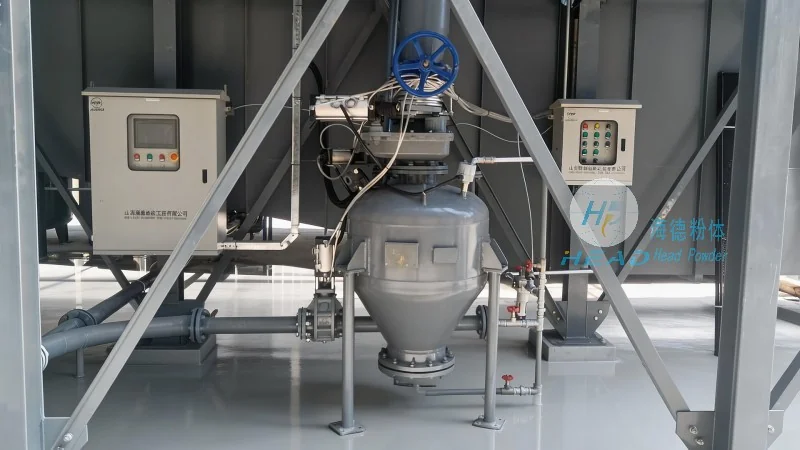
Dry mix mortar delivery involves transporting the pre-mixed material from the batching plant or storage area to the construction site. The choice of delivery method depends on factors such as project scale, distance, material properties, and site conditions. The primary methods include pump delivery, screw conveyor delivery, and pneumatic (air) delivery. Each method has its own set of advantages and limitations that impact operational efficiency, cost, and material quality.
Pump Delivery: High-Pressure and Versatile Solution
Pump delivery is one of the most widely used methods for transporting dry mix mortar, especially for large-scale projects or when the material needs to be delivered over significant distances. This method typically involves using a mortar pump, which can be either a stationary or mobile unit, to force the mortar through a hose or pipeline. The pump applies high pressure to move the material, ensuring consistent flow and preventing segregation of the dry mix components.
Advantages of pump delivery include high delivery rates, which can significantly reduce on-site mixing time and labor costs. It is particularly effective for vertical or horizontal transportation over long distances, making it suitable for high-rise buildings and large infrastructure projects. The method also allows for precise control over the flow rate and pressure, ensuring uniform application of the mortar.
However, pump delivery has its drawbacks. The initial investment in equipment can be substantial, and regular maintenance is required to keep the pump and hoses in optimal condition. Additionally, the high pressure can sometimes cause wear and tear on the delivery system, leading to increased operational costs over time. Furthermore, the method may not be suitable for all types of dry mix mortar, as some formulations may be too abrasive or have high water demand, potentially causing pump clogging or reduced efficiency.
Screw Conveyor Delivery: Gentle and Low-Pressure Transport
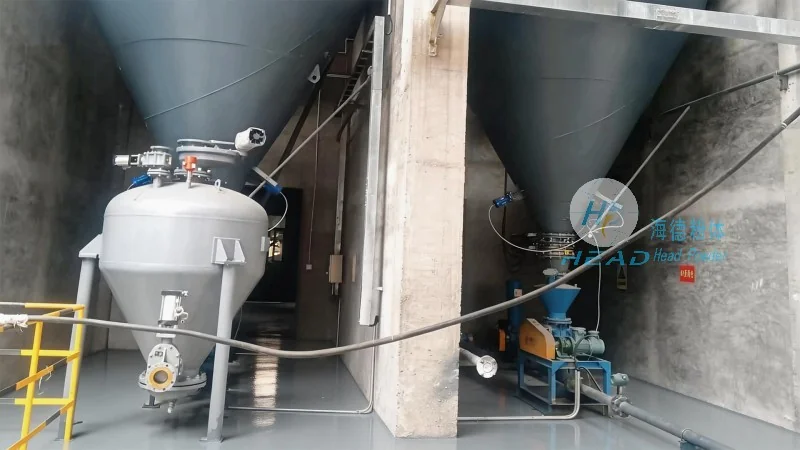
Screw conveyor delivery is a gentler method that uses a rotating screw or auger to move dry mix mortar through a tube or trough. This method is often used for shorter distances or when the material needs to be transported vertically or horizontally with minimal pressure. Screw conveyors are particularly effective for transporting dry mix mortar that is prone to segregation or has a high sand content, as the gentle rotation prevents the components from separating.
The main advantage of screw conveyor delivery is its low operational pressure, which reduces the risk of material degradation or clogging. It is also relatively simple to install and maintain, making it a cost-effective solution for smaller projects or for transporting mortar over short distances. The method is less likely to cause wear and tear on the delivery system compared to pump delivery, resulting in lower long-term maintenance costs.
Nevertheless, screw conveyor delivery has limitations. The delivery rate is generally lower than that of pump delivery, which can increase on-site mixing time and labor requirements. It is not suitable for long-distance or vertical transportation, as the material may settle or segregate over time. Additionally, the method may not be effective for transporting dry mix mortar with high water demand or high cement content, as the gentle pressure may not be sufficient to maintain the material's consistency.
Pneumatic (Air) Delivery: Flexible and Portable Solution
Pneumatic or air delivery involves using compressed air to transport dry mix mortar through a pipeline. The mortar is mixed with a small amount of water or a liquid additive to create a slurry, which is then forced through the pipeline by the air pressure. This method is often used for short to medium distances and is particularly suitable for transporting mortar to hard-to-reach areas or for small-scale projects.
One of the key advantages of pneumatic delivery is its flexibility and portability. The system can be easily set up and moved as needed, making it ideal for on-site adjustments or for projects with changing delivery requirements. It also allows for the transportation of dry mix mortar over uneven terrain or through obstacles, as the air pressure can navigate around barriers. The method is also relatively low-cost compared to pump delivery, as it requires less specialized equipment.
However, pneumatic delivery has significant drawbacks. The material may degrade or lose its consistency if the air pressure is too high or if the pipeline is too long, as the high velocity of the air can cause the components to separate. The method is also less efficient for transporting large volumes of mortar, as the delivery rate is generally lower than that of pump delivery. Additionally, the system requires a constant supply of compressed air, which can be a limiting factor in areas with limited access to air compressors.
Factors to Consider When Choosing a Delivery Method
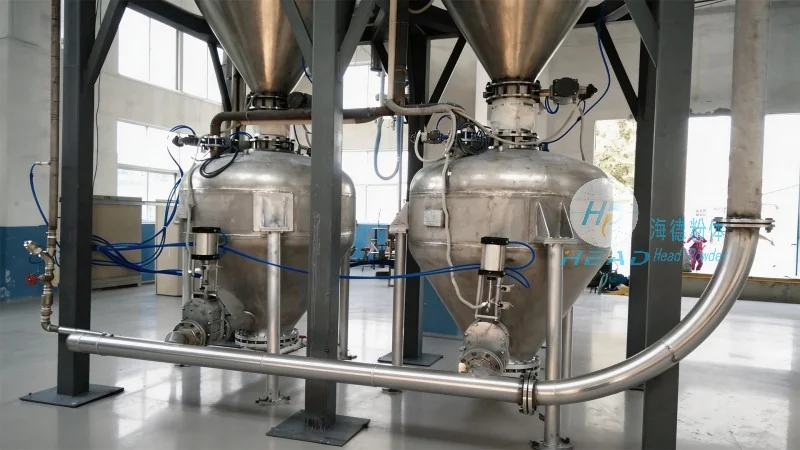
When selecting a dry mix mortar delivery method, several factors must be taken into account to ensure optimal performance and cost-effectiveness. The first consideration is the project scale and distance. For large-scale projects or long distances, pump delivery is often the most efficient choice, while for smaller projects or short distances, screw conveyor or pneumatic delivery may be more suitable.
Material properties are another critical factor. The type of dry mix mortar, including its cement content, sand size, and water demand, will determine the most appropriate delivery method. For example, high-cement or high-sand mortars may require pump delivery to maintain consistency, while low-cement or fine-sand mortars may be better suited for screw conveyor delivery.
Site conditions and accessibility are also important considerations. If the construction site is in a remote or hard-to-reach area, pneumatic delivery may be the only viable option. Conversely, if the site has existing infrastructure or access to high-pressure water and air, pump delivery may be more practical.
Operational costs and maintenance requirements should also be evaluated. Pump delivery may have higher initial costs and maintenance needs, while screw conveyor and pneumatic delivery may be more cost-effective in the long run. The choice of method should balance the initial investment with the expected operational costs and lifespan of the equipment.
Conclusion
Choosing the right dry mix mortar delivery method is essential for ensuring the success of construction projects. Each method—pump, screw conveyor, and pneumatic delivery—has its own set of advantages and disadvantages that must be carefully considered based on project requirements, material properties, and site conditions. By understanding these factors, construction professionals and material suppliers can select the most efficient and cost-effective delivery method to meet their needs.
Shandong HeadPowder Engineering Co., Ltd. specializes in providing high-quality dry mix mortar and delivery solutions to meet the diverse needs of the construction industry. With years of experience and a commitment to innovation, HeadPowder offers a range of products and services designed to enhance project efficiency and quality. Whether you need pump delivery systems, screw conveyors, or pneumatic equipment, HeadPowder is your trusted partner for all your dry mix mortar delivery needs.

 Shandong Headpowder Engineering Co., Ltd.
 156-6277-7102(Quản lý Trương)
  0531-83386006
  Thành phố Tế Nam, Tỉnh Sơn Đông, Trung Quốc
Điện thoại
WeChatTư vấn
Lên đầu