Với hơn 10 năm kinh nghiệm về vận chuyển khí nén, Headpowder Sơn Đông cung cấp hệ thống, thiết bị và quạt gió toàn chuỗi, đảm nhận các dự án kỹ thuật bột trọn gói trên toàn quốc.
Denitrification fly ash, a byproduct of flue gas desulfurization processes in power plants, requires efficient and reliable conveying methods to ensure proper handling and disposal. The choice of conveying system significantly impacts operational efficiency, environmental compliance, and overall plant performance. This article explores various methods for transporting denitrification fly ash, with a focus on the advantages and features of pneumatic conveying systems.
Introduction to Denitrification Fly Ash Conveying
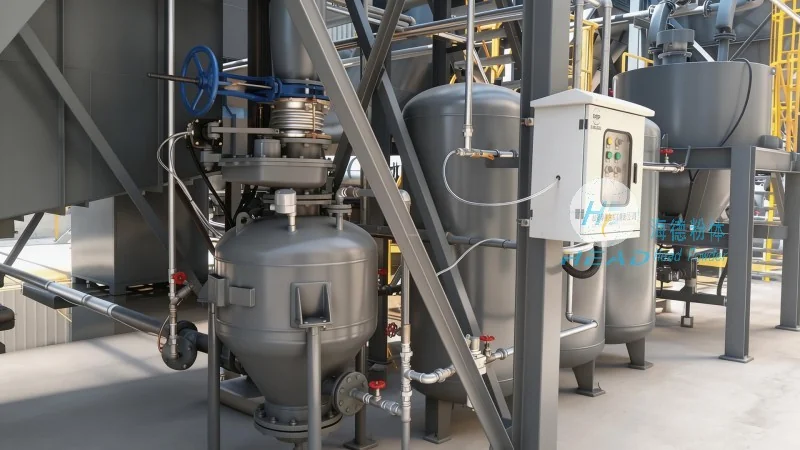
Denitrification fly ash, also known as desulfurization ash, is generated during the removal of nitrogen oxides from flue gases. This material is typically fine and abrasive, making traditional conveying methods such as belt conveyors or screw conveyors less suitable due to the risk of wear and blockages. Consequently, specialized conveying systems are employed to handle this material safely and effectively. The primary goal of any conveying system is to transport the ash from the collection point to the storage or disposal facility while minimizing operational costs and environmental impact.
Common Conveying Methods for Denitrification Fly Ash
Several methods are utilized for the transportation of denitrification fly ash, each with its own set of advantages and limitations. Traditional mechanical conveyors, including belt conveyors and screw conveyors, are commonly used in some applications. However, these systems often face challenges with the abrasive nature of the ash, leading to increased maintenance and potential downtime. In contrast, pneumatic conveying systems offer a more robust solution for handling fine, dry materials like denitrification fly ash.
Pneumatic Conveying Systems: The Preferred Solution
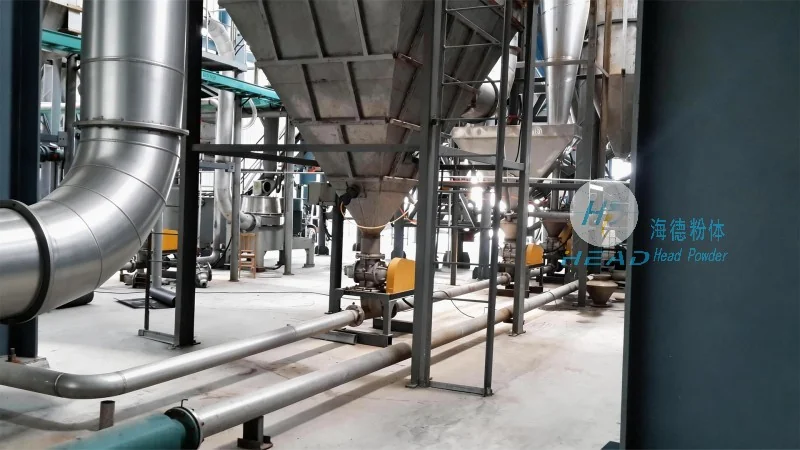
Pneumatic conveying, also known as air-pneumatic transport, utilizes air pressure or vacuum to move material through a pipeline. This method is particularly effective for denitrification fly ash due to its ability to handle fine particles and abrasive materials without the need for mechanical components that can wear out quickly. The system typically consists of a hopper, a blower or vacuum pump, and a pipeline network that transports the ash to the destination. There are two main types of pneumatic conveying: pressure and vacuum systems. Pressure systems use compressed air to push the material forward, while vacuum systems use a vacuum to pull the material through the pipeline.
Advantages of Pneumatic Conveying for Denitrification Fly Ash
HeadPowder Engineering Co., Ltd., a leading provider of industrial conveying solutions, specializes in the design and implementation of pneumatic conveying systems for denitrification fly ash. The company, based in Shandong, China, has extensive experience in addressing the unique challenges associated with handling this material. The advantages of pneumatic conveying for denitrification fly ash include:
Efficient Material Handling: Pneumatic systems can transport denitrification fly ash over long distances with minimal loss and high efficiency. The air flow ensures that the material is moved consistently, reducing the risk of blockages and ensuring a steady flow.
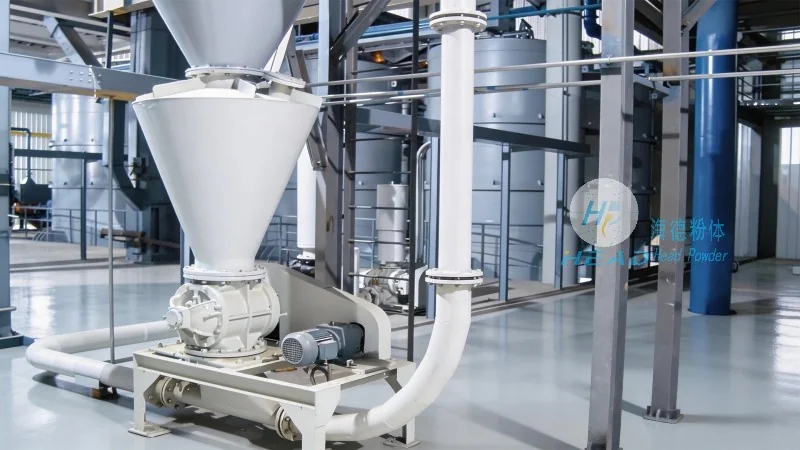
Reduced Maintenance Costs: Unlike mechanical conveyors that require regular maintenance for wear parts, pneumatic systems have fewer moving components, leading to lower maintenance expenses and longer service life.
Environmental Compliance: Pneumatic conveying systems are designed to minimize dust emissions and environmental impact. The enclosed pipeline system prevents dust from escaping into the environment, ensuring compliance with environmental regulations.
Flexibility and Scalability: These systems can be easily scaled to accommodate varying production volumes and can be integrated with existing plant infrastructure without major modifications.
Key Features of Pneumatic Conveying Systems for Denitrification Fly Ash
HeadPowder Engineering Co., Ltd. offers advanced pneumatic conveying solutions tailored to the specific needs of denitrification fly ash handling. The key features of these systems include:
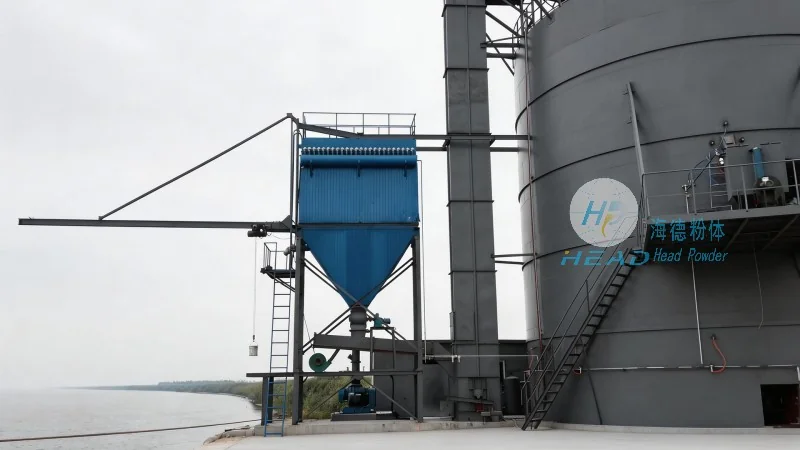
Customized Hopper Design: The company designs hoppers that are specifically suited for the characteristics of denitrification fly ash, ensuring proper material flow and preventing bridging or agglomeration.
High-Pressure Blowers: Utilizing high-efficiency, low-noise blowers that provide the necessary air pressure to transport the ash efficiently over long distances.
Advanced Pipeline Materials: The use of corrosion-resistant and wear-resistant materials for the pipeline ensures durability and longevity, even in harsh environments.
Integrated Control Systems: Modern control systems allow for real-time monitoring and adjustment of the conveying process, optimizing performance and reducing energy consumption.
Conclusion
When selecting a conveying method for denitrification fly ash, it is crucial to consider the material's properties, the required transport distance, and the overall operational goals. Pneumatic conveying systems, particularly those designed and manufactured by HeadPowder Engineering Co., Ltd., offer a superior solution for efficient, reliable, and cost-effective handling of this material. By leveraging advanced technology and tailored engineering solutions, these systems ensure that denitrification fly ash is transported safely and in compliance with environmental standards, contributing to the overall efficiency and sustainability of power plant operations.

 Shandong Headpowder Engineering Co., Ltd.
 156-6277-7102(Quản lý Trương)
  0531-83386006
  Thành phố Tế Nam, Tỉnh Sơn Đông, Trung Quốc
Điện thoại
WeChatTư vấn
Lên đầu