Với hơn 10 năm kinh nghiệm về vận chuyển khí nén, Headpowder Sơn Đông cung cấp hệ thống, thiết bị và quạt gió toàn chuỗi, đảm nhận các dự án kỹ thuật bột trọn gói trên toàn quốc.
When it comes to transporting magnesia, a critical mineral widely used in refractory materials, construction, and chemical industries, selecting the right transport method is essential for efficiency, cost-effectiveness, and material integrity. Magnesia, with its high purity and specific properties, requires specialized handling to prevent degradation or contamination. This article provides a detailed comparison of common magnesia transport methods, examining their advantages and disadvantages to help industrial operators make informed decisions.
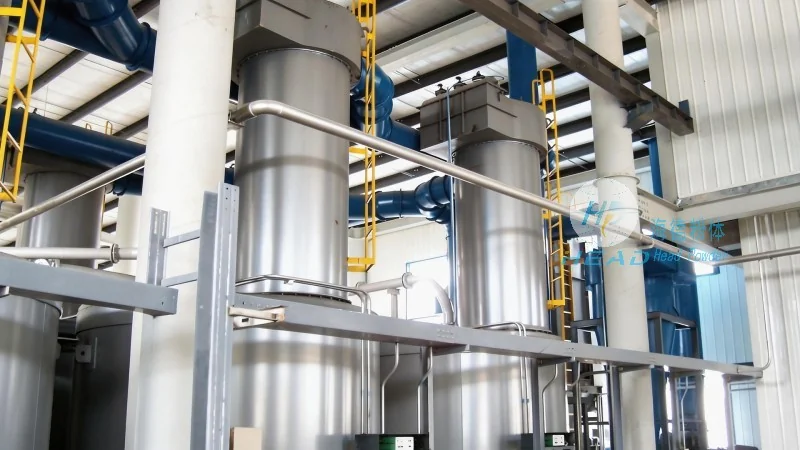
1. Belt Conveyor System
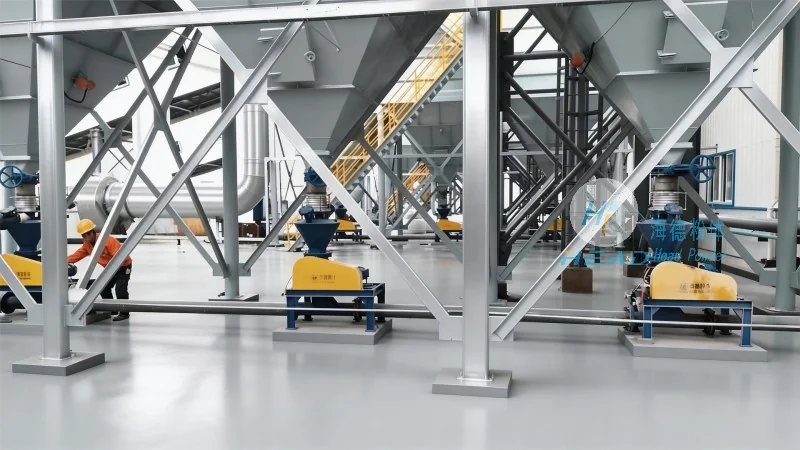
The belt conveyor is one of the most widely used methods for transporting bulk materials like magnesia. It operates by moving material along a continuous loop of conveyor belt, which is driven by rollers and pulleys. For magnesia, belt conveyors offer several advantages. First, they can handle large volumes of material with high throughput rates, making them suitable for high-production industrial settings. Second, they provide a relatively low-cost solution compared to other bulk transport systems, as the initial investment and maintenance costs are generally lower. Additionally, belt conveyors can be easily integrated into existing production lines, allowing for seamless material flow from storage to processing or packaging areas. However, there are notable disadvantages. One major drawback is the risk of material spillage or degradation during transport, especially if the belt is not properly maintained or if the material is abrasive. Magnesia particles can cause wear on the belt surface, leading to increased maintenance and potential downtime. Another disadvantage is the limited ability to transport material vertically or over long distances without significant energy consumption. Vertical lifts or long horizontal runs may require additional power and structural support, increasing operational costs. Furthermore, belt conveyors are not suitable for transporting materials that are highly dusty or prone to caking, as this can lead to blockages and operational issues.
2. Screw Conveyor (Auger Conveyor)
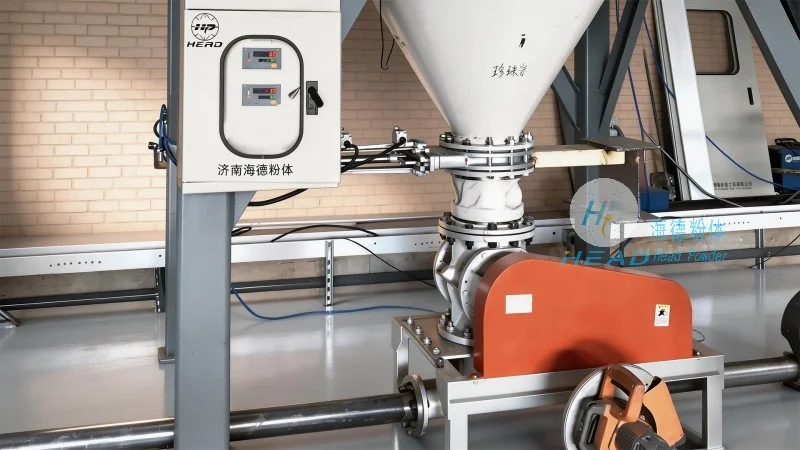
Screw conveyors, also known as auger conveyors, use a rotating helical screw to move material along a tube or trough. This method is particularly effective for transporting magnesia in a controlled manner, especially when the material needs to be moved in a confined space or at a moderate speed. One of the key advantages of screw conveyors is their ability to handle materials with a wide range of bulk densities and flow characteristics. Magnesia, being a relatively free-flowing material, can be efficiently moved without the need for external power sources like belts or air pressure. Screw conveyors also provide a compact design, making them ideal for installations with limited space. They are often used in vertical or inclined applications, allowing for material to be lifted or moved over short to medium distances. However, screw conveyors have several limitations. The primary disadvantage is the high wear on the screw and trough due to the abrasive nature of magnesia particles. Over time, the screw and trough may need to be replaced or repaired, increasing maintenance costs. Another drawback is the potential for material bridging or clogging, especially if the magnesia is damp or contains clumps. This can lead to reduced throughput and operational interruptions. Additionally, screw conveyors are not suitable for transporting large volumes of material at high speeds, as the power requirements increase significantly with the load. They are generally more effective for smaller to medium-scale applications.

 Shandong Headpowder Engineering Co., Ltd.
 156-6277-7102(Quản lý Trương)
  0531-83386006
  Thành phố Tế Nam, Tỉnh Sơn Đông, Trung Quốc
Điện thoại
WeChatTư vấn
Lên đầu