Với hơn 10 năm kinh nghiệm về vận chuyển khí nén, Headpowder Sơn Đông cung cấp hệ thống, thiết bị và quạt gió toàn chuỗi, đảm nhận các dự án kỹ thuật bột trọn gói trên toàn quốc.
Efficient and reliable transportation of asphalt fines is a critical aspect of modern construction and road maintenance projects. Asphalt fines, also known as filler or mineral filler, play a vital role in the production of high-quality asphalt mixtures. Proper handling and transport of these fine materials ensure optimal performance and durability of the final pavement. For businesses operating in the construction industry, selecting the right transportation method is essential to maintain productivity and meet project deadlines. This article explores the various options available for transporting asphalt fines, providing insights into the factors that influence the choice of method and the benefits of each approach.
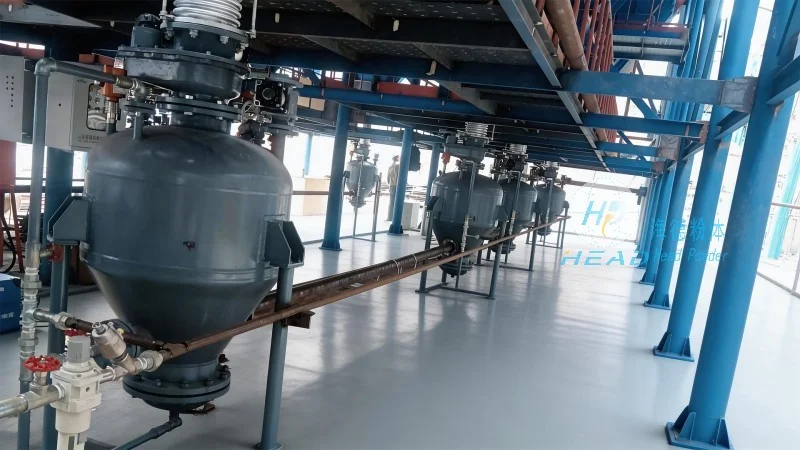
Understanding Asphalt Fines and Their Role
Before delving into the transportation methods, it is important to understand what asphalt fines are and why they are essential in asphalt production. Asphalt fines are fine-grained mineral particles, typically ranging from 0.075 to 2.36 millimeters in size, that are added to asphalt mixtures to improve workability, reduce voids, and enhance the overall strength and durability of the pavement. These fines can be natural or manufactured, and their quality directly impacts the performance of the final asphalt product. The efficient transport of these materials is therefore crucial for maintaining consistent quality and minimizing downtime in production processes.
Key Factors Influencing Transportation Method Selection
When choosing a transportation method for asphalt fines, several factors must be considered to ensure the most suitable option is selected. These factors include the distance of transport, the volume of material to be moved, the required speed of delivery, the environmental conditions at the site, and the available infrastructure. Each of these elements can significantly impact the efficiency and cost-effectiveness of the transportation process. For instance, short distances may be better suited to manual or mechanical handling, while longer distances might require more advanced systems like pneumatic or conveyor systems. Additionally, the nature of the material—whether it is dry or moist, and its potential for dust generation—will influence the choice of equipment and methods used.
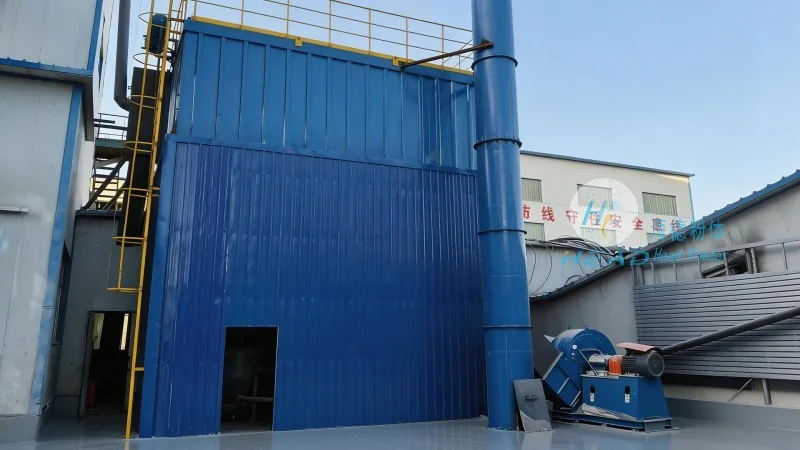
Pipeline Transportation of Asphalt Fines
One of the most common and efficient methods for transporting asphalt fines is through pipelines. This method involves using a network of pipes to move the material from the storage or production area to the mixing plant or construction site. The pipeline system typically includes a series of pumps, valves, and filters to ensure the smooth flow of the material. For companies like Shandong HeadPowder Engineering Co., Ltd., which specializes in engineering solutions for mineral filler transport, pipeline systems are a key part of their product offerings. The use of pipelines allows for continuous and uninterrupted transport, reducing the risk of material loss and contamination. Additionally, this method minimizes the need for manual handling, which can be hazardous and time-consuming. The pipeline system can be designed to handle various types of asphalt fines, including natural and manufactured varieties, and can be integrated with existing infrastructure to enhance overall operational efficiency.
Belt Conveyor Systems for Asphalt Fines
Another widely used method for transporting asphalt fines is through belt conveyor systems. These systems consist of a moving belt that carries the material from one point to another, typically from storage silos to the mixing plant or directly to the construction site. Belt conveyors are known for their high capacity and ability to transport materials over long distances with minimal maintenance. They are particularly effective for transporting bulk quantities of asphalt fines, as they can handle large volumes of material without the need for frequent stops or adjustments. The conveyor belts are typically made of durable materials, such as rubber or plastic, which can withstand the abrasive nature of the fine particles. For companies operating in the construction industry, belt conveyor systems provide a reliable and cost-effective solution for transporting asphalt fines, especially in environments where space is limited or where the material needs to be moved vertically or at an incline.
Pneumatic Conveying for Asphalt Fines
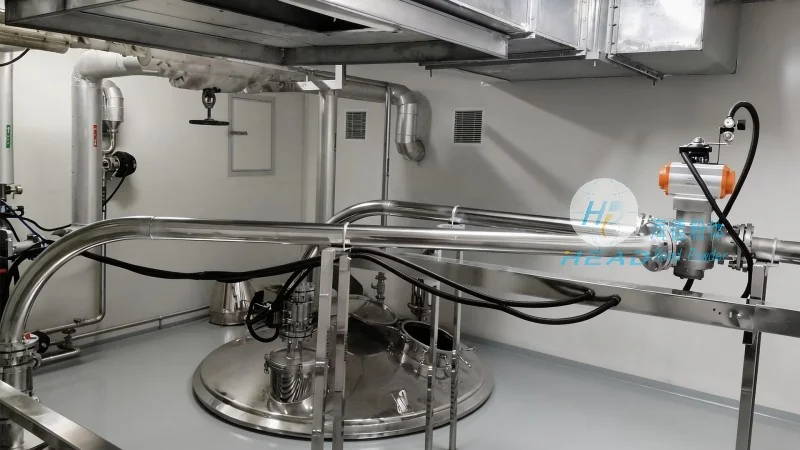
Pneumatic conveying, also known as air-pipe transport, is another method used for transporting asphalt fines. This technique involves using air pressure to move the material through a series of pipes. The material is suspended in a stream of air and transported to the desired location. Pneumatic conveying systems are particularly useful for transporting fine materials that are prone to dust generation or that need to be moved in a clean and controlled environment. They are also ideal for applications where the material needs to be transported over long distances or through complex layouts. The system typically includes a blower or compressor to generate the necessary air pressure, and a series of filters and separators to remove any excess dust or moisture from the material. For companies like headpowder, pneumatic conveying systems are a key part of their engineering solutions, providing a flexible and efficient method for transporting asphalt fines in various industrial and construction settings.
Manual and Mechanical Handling Methods
While mechanical and automated systems are common for transporting asphalt fines, manual and mechanical handling methods are still used in some applications, particularly for smaller volumes or in situations where the material needs to be moved over short distances. These methods include the use of buckets, shovels, or forklifts to move the material from one location to another. Manual handling is often used in smaller construction sites or in situations where the material is stored in small quantities. However, this method is labor-intensive and can be less efficient than mechanical systems, as it requires more time and effort to move the material. Mechanical handling methods, such as forklifts or loaders, can be used to move larger quantities of asphalt fines, but they still require manual intervention to load and unload the material. For companies operating in the construction industry, manual and mechanical handling methods are often used as a supplementary method to the more advanced systems, providing flexibility and adaptability in various situations.
Choosing the Right Transportation Method for Your Needs
Ultimately, the choice of transportation method for asphalt fines depends on a variety of factors, including the specific requirements of the project, the available resources, and the operational constraints. Companies like Shandong HeadPowder Engineering Co., Ltd. offer a range of solutions tailored to the needs of their clients, from pipeline and conveyor systems to pneumatic conveying and manual handling methods. By carefully evaluating the factors mentioned above and consulting with experts in the field, businesses can select the most appropriate transportation method to ensure efficient and reliable transport of asphalt fines. This, in turn, will help maintain the quality of the final asphalt product, reduce costs, and improve overall project performance. Whether you are a small construction company or a large-scale infrastructure project, understanding the options available for transporting asphalt fines is essential to achieving success in your operations.

 Shandong Headpowder Engineering Co., Ltd.
 156-6277-7102(Quản lý Trương)
  0531-83386006
  Thành phố Tế Nam, Tỉnh Sơn Đông, Trung Quốc
Điện thoại
WeChatTư vấn
Lên đầu