Với hơn 10 năm kinh nghiệm về vận chuyển khí nén, Headpowder Sơn Đông cung cấp hệ thống, thiết bị và quạt gió toàn chuỗi, đảm nhận các dự án kỹ thuật bột trọn gói trên toàn quốc.
Ammonium sulfate is a widely used chemical compound in various industrial applications, and efficient transportation of this material is crucial for maintaining production efficiency and safety. This article will explore common methods of ammonium sulfate conveyance, with a focus on the advantages and applications of pneumatic conveying systems.
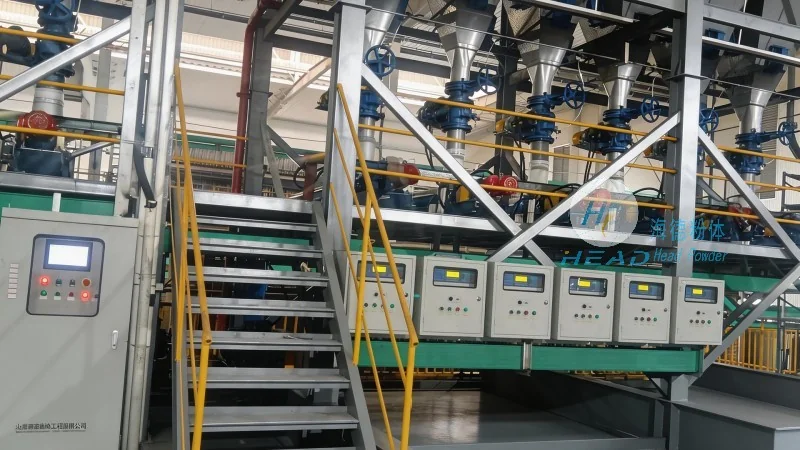
Overview of Conventional Conveying Methods
Traditional methods for transporting ammonium sulfate include belt conveyors, screw conveyors, and bucket elevators. These systems are often used for bulk material handling in industries such as agriculture, chemical manufacturing, and fertilizer production. Belt conveyors, for example, are suitable for long-distance horizontal or slightly inclined transport, while screw conveyors are ideal for vertical or inclined movement in confined spaces. Bucket elevators, on the other hand, are effective for vertical lifting of heavy materials. However, these conventional methods may face challenges like material buildup, wear and tear on components, and limited flexibility in handling varying flow rates.
Pneumatic Conveying: A Modern Solution for Ammonium Sulfate Transport
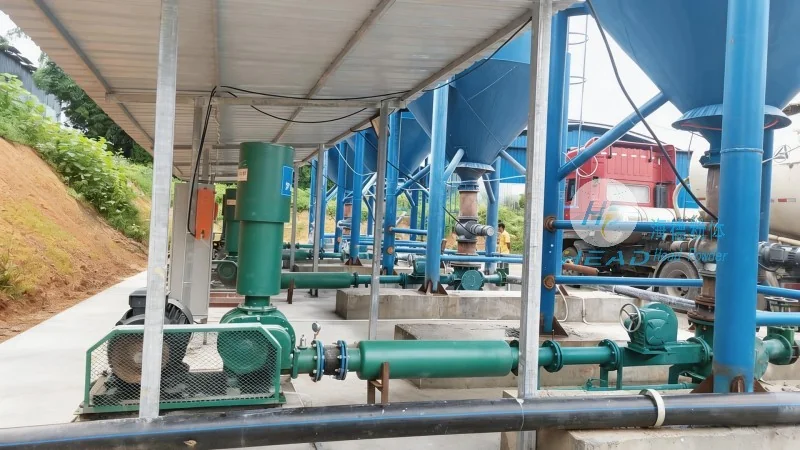
Pneumatic conveying, also known as air-pneumatic transport, is a technology that uses compressed air to move bulk materials through a pipeline system. This method offers several advantages over traditional conveyors, making it a preferred choice for many industries dealing with ammonium sulfate. The key benefits include reduced equipment wear, minimal material degradation, and the ability to handle fine or dusty powders without the need for additional dust control measures. Pneumatic systems can be designed for both positive and negative pressure operation, providing flexibility in conveying routes and distances.
Types of Pneumatic Conveying Systems
There are two main types of pneumatic conveying systems: dilute-phase and dense-phase. Dilute-phase systems use low air-to-material ratios, typically operating at high velocities to move material through the pipeline. These systems are suitable for short to medium distances and are commonly used in applications where material is already in a fine powder form. Dense-phase systems, conversely, operate at low velocities with high air-to-material ratios, creating a slurry-like mixture that moves through the pipeline. This method is ideal for long-distance transport and handling of bulk materials with higher moisture content or larger particle sizes.
Components of a Pneumatic Conveying System for Ammonium Sulfate
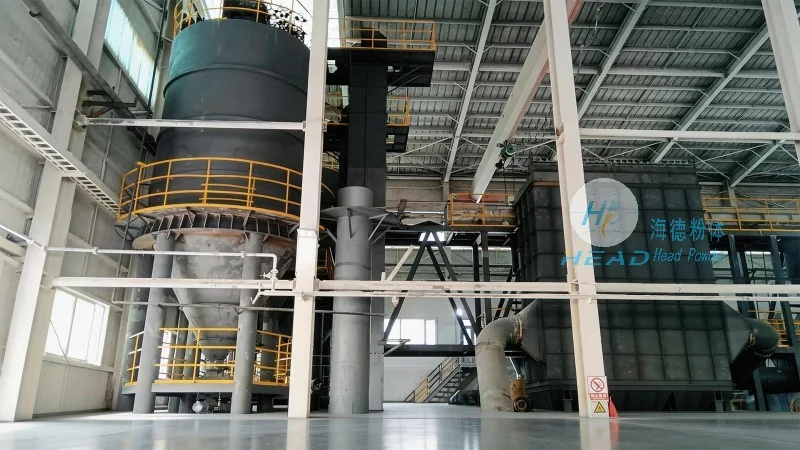
A typical pneumatic conveying system for ammonium sulfate consists of several key components. These include a material feed hopper, a rotary valve or feeder to control the flow rate, a compressor or blower to generate the necessary air pressure, a pipeline network with appropriate fittings and elbows, and a receiver or discharge hopper at the destination. The material feed hopper ensures a consistent supply of ammonium sulfate, while the rotary valve regulates the amount of material entering the system. The compressor provides the compressed air needed to move the material through the pipeline, and the pipeline network transports the material from the source to the destination. The receiver or discharge hopper collects the material at the end of the conveying process, allowing for easy unloading and further processing.
Advantages of Pneumatic Conveying for Ammonium Sulfate
Compared to traditional conveyors, pneumatic conveying offers several advantages for transporting ammonium sulfate. First, it reduces the risk of material contamination and degradation, as the material is enclosed within the pipeline and not exposed to external elements. Second, it minimizes labor costs and maintenance requirements, as there are fewer moving parts and less wear on components. Third, it provides greater flexibility in terms of layout and route changes, allowing for easy integration with existing production facilities. Fourth, it improves safety by eliminating the need for manual handling of heavy or dusty materials, reducing the risk of accidents and health hazards. Finally, pneumatic systems can be designed to handle varying flow rates and material characteristics, making them suitable for a wide range of applications.
Applications of Pneumatic Conveying in Ammonium Sulfate Handling
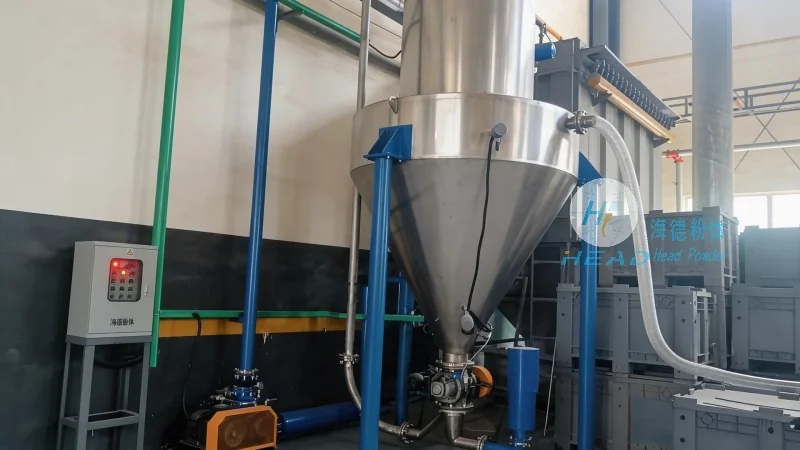
Pneumatic conveying is widely used in various applications involving ammonium sulfate handling. In the fertilizer industry, for example, it is used to transport ammonium sulfate from storage silos to processing plants or to distribute it to agricultural fields. In chemical manufacturing, it is used to move ammonium sulfate between different processing stages, such as drying, grinding, and packaging. In the food and beverage industry, it is used to transport ammonium sulfate as a food additive or preservative. Additionally, pneumatic conveying is used in research and development laboratories to handle small quantities of ammonium sulfate for testing and analysis.
Conclusion
Ammonium sulfate is a critical chemical compound in many industries, and efficient conveyance is essential for maintaining production efficiency and safety. While traditional methods like belt and screw conveyors are still used, pneumatic conveying has become a popular choice due to its advantages in material handling, safety, and flexibility. Shandong HeadPowder Engineering Co., Ltd., based in China, specializes in providing high-quality pneumatic conveying systems for ammonium sulfate and other bulk materials. With years of experience and expertise, the company offers customized solutions tailored to the specific needs of its clients, ensuring reliable and efficient material transport. By choosing a pneumatic conveying system from HeadPowder, industries can enhance their production processes, reduce costs, and improve overall operational efficiency.

 Shandong Headpowder Engineering Co., Ltd.
 156-6277-7102(Quản lý Trương)
  0531-83386006
  Thành phố Tế Nam, Tỉnh Sơn Đông, Trung Quốc
Điện thoại
WeChatTư vấn
Lên đầu