Với hơn 10 năm kinh nghiệm về vận chuyển khí nén, Headpowder Sơn Đông cung cấp hệ thống, thiết bị và quạt gió toàn chuỗi, đảm nhận các dự án kỹ thuật bột trọn gói trên toàn quốc.
HeadPowder, a leading provider in the chemical industry, specializes in the handling and transportation of manganese sulfate. Understanding the various methods for transporting this essential chemical is crucial for ensuring efficiency, safety, and cost-effectiveness in industrial applications. This article provides a detailed comparison of common manganese sulfate transportation methods, highlighting the advantages and considerations for each approach.
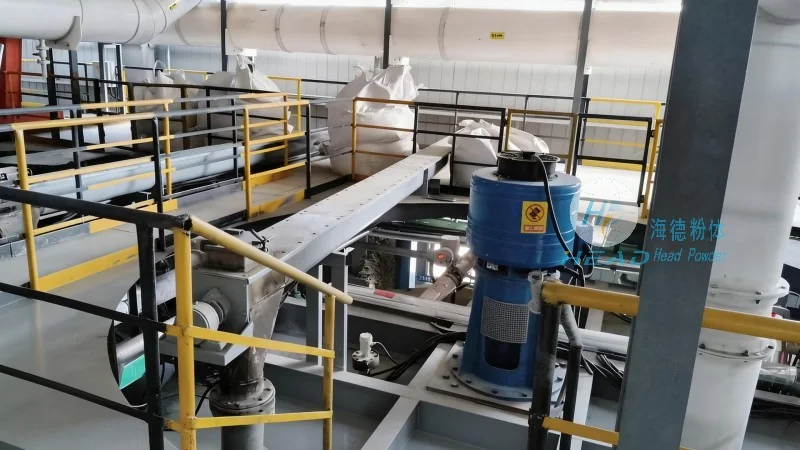
Overview of Manganese Sulfate Transportation
Manganese sulfate is widely used in industries such as battery manufacturing, agriculture, and water treatment. Its transportation requires careful consideration due to its chemical properties and the need to maintain product integrity. The primary methods for transporting manganese sulfate include bulk tankers, pumping systems, and specialized handling equipment. Each method has distinct characteristics that influence its suitability for different applications and operational environments.
1. Bulk Tanker Transportation
Bulk tanker trucks are a common method for transporting manganese sulfate over longer distances. These specialized vehicles are equipped with insulated tanks to maintain the chemical's temperature and prevent degradation. The process involves loading the material into the tanker at the production facility, followed by transportation to the customer's site. Bulk tankers offer high capacity and are suitable for large-scale operations, making them ideal for industrial clients with substantial demand. However, they require proper infrastructure at both the loading and unloading points, including loading docks and storage tanks. The cost of transportation is typically higher due to the specialized equipment and regulatory compliance needed for hazardous materials.
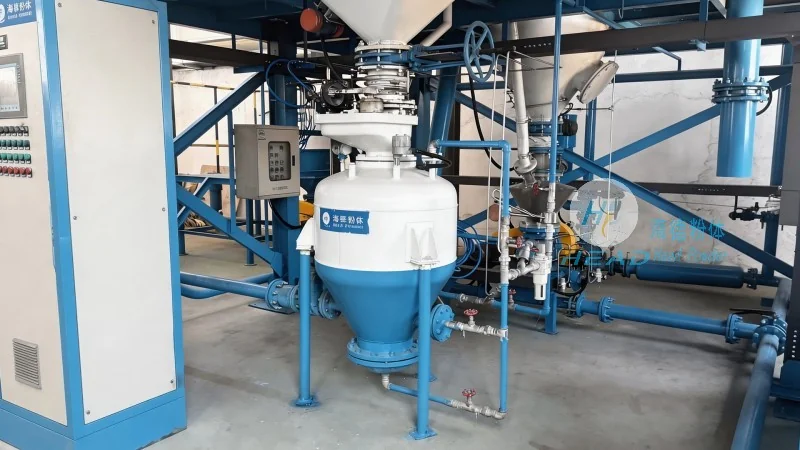
2. Pumping Systems for On-Site Handling
For industries that require frequent or localized handling of manganese sulfate, pumping systems are often employed. These systems use pumps to transfer the chemical from storage tanks to processing equipment or other containers. There are several types of pumps suitable for manganese sulfate, including centrifugal pumps and positive displacement pumps. Centrifugal pumps are efficient for moving large volumes of liquid at moderate pressures, while positive displacement pumps are better for handling viscous or high-concentration solutions. The choice of pump depends on factors such as the chemical's viscosity, temperature, and the required flow rate. Proper maintenance of pumping systems is essential to prevent corrosion and ensure consistent performance. Regular cleaning and inspection of pump components are necessary to avoid contamination and equipment failure.
3. Pipeline Transportation
Pipeline systems are used for transporting manganese sulfate in industrial settings where continuous flow is required. This method is particularly effective in large manufacturing plants or complexes where the chemical is used in multiple processes. Pipelines are constructed from materials resistant to the chemical's corrosive properties, such as stainless steel or specialized plastics. The system includes storage tanks, pumps, and control valves to regulate the flow. Pipeline transportation offers high efficiency and minimal labor costs, as it eliminates the need for manual handling and loading. However, it requires significant initial investment in infrastructure and maintenance. The system must be regularly inspected for leaks and pressure integrity to ensure safety and compliance with environmental regulations.
4. Specialized Handling Equipment
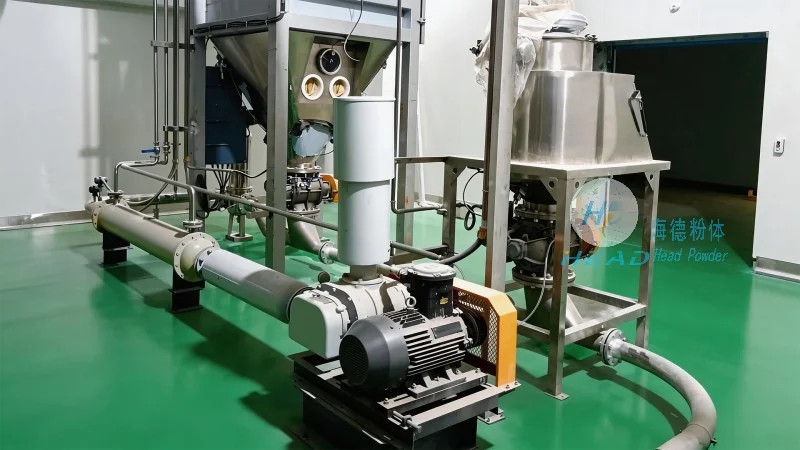
In some cases, specialized handling equipment is used for transporting manganese sulfate, especially in applications involving small batches or complex processes. This equipment includes tank trucks, railcars, and bulk containers. Tank trucks are similar to bulk tankers but are often used for shorter distances or smaller quantities. Railcars are an alternative for long-distance transport, particularly in regions with extensive rail networks. Bulk containers are used for international shipping, where the chemical is loaded into containers that can be transported by truck, rail, or sea. These methods are suitable for specific scenarios where other options are not feasible. The choice of specialized equipment depends on factors such as the volume of the shipment, the distance to be traveled, and the availability of infrastructure.
Key Considerations for Selecting a Transportation Method
When selecting a transportation method for manganese sulfate, several factors must be considered to ensure the best fit for the application. These include the volume of the shipment, the distance to be transported, the required speed of delivery, and the cost of the method. The chemical's properties, such as its viscosity and temperature sensitivity, also play a role in the decision. For example, if the manganese sulfate is in a high-concentration form and needs to be transported over long distances, bulk tankers may be the most suitable option. If the application involves frequent, small batches, pumping systems or specialized equipment may be more appropriate. Additionally, regulatory requirements and safety standards must be adhered to, as manganese sulfate is classified as a hazardous material in many regions. Compliance with local laws and regulations is essential to avoid penalties and ensure the safety of personnel and the environment.
Conclusion
Choosing the right transportation method for manganese sulfate is critical for optimizing industrial operations. Each method has its advantages and limitations, and the selection should be based on a thorough analysis of the specific needs and constraints of the application. HeadPowder, with its expertise in chemical handling and transportation, offers tailored solutions to meet the diverse requirements of its clients. By understanding the different transportation methods and their considerations, industries can ensure efficient and safe handling of manganese sulfate, ultimately enhancing productivity and reducing costs.

 Shandong Headpowder Engineering Co., Ltd.
 156-6277-7102(Quản lý Trương)
  0531-83386006
  Thành phố Tế Nam, Tỉnh Sơn Đông, Trung Quốc
Điện thoại
WeChatTư vấn
Lên đầu