Với hơn 10 năm kinh nghiệm về vận chuyển khí nén, Headpowder Sơn Đông cung cấp hệ thống, thiết bị và quạt gió toàn chuỗi, đảm nhận các dự án kỹ thuật bột trọn gói trên toàn quốc.
When it comes to the efficient handling and transport of millet, selecting the right conveyance method is crucial for optimizing production processes and ensuring product quality. Millet, a staple grain with significant agricultural and industrial applications, requires reliable systems to move it from storage to processing facilities. This article explores the common methods used for millet conveyance, highlighting the key approaches that are widely adopted in the industry.
Understanding Millet and Conveyance Needs
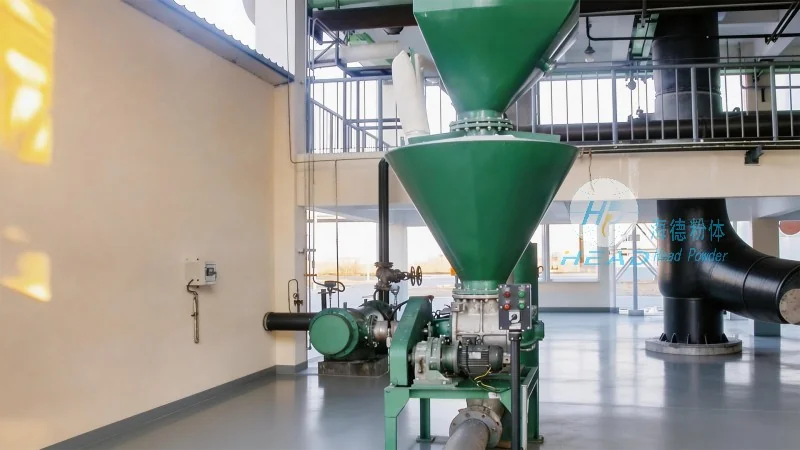
Millet is a small, hard grain that is widely cultivated for its nutritional value and versatility in food and animal feed production. Due to its size and density, millet presents unique challenges during transport, such as preventing breakage, maintaining moisture levels, and ensuring consistent flow. Effective conveyance systems must address these challenges while minimizing energy consumption and operational costs. The choice of conveyance method depends on factors like the volume of millet being handled, the distance it needs to travel, and the specific requirements of the processing plant.
Key Millet Conveyance Methods
Several methods are commonly used for millet transport, each with its own advantages and applications. The most prevalent approaches include mechanical conveyors, gravity chutes, and pneumatic systems. Each method is designed to handle millet's physical properties and operational demands effectively.
Mechanical Conveyors: The Workhorse of Millet Transport
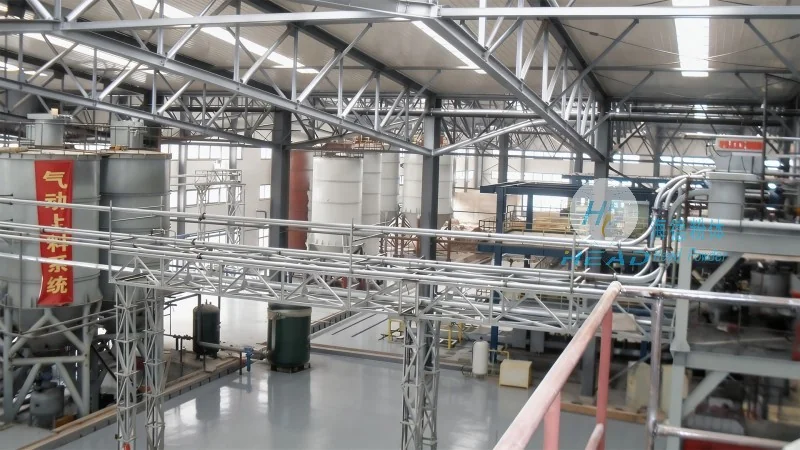
Mechanical conveyors, such as belt conveyors and screw conveyors, are widely used for millet conveyance due to their reliability and efficiency. Belt conveyors use a continuous belt to move millet horizontally or at a slight incline, making them suitable for long-distance transport and bulk handling. Screw conveyors, or augers, are ideal for vertical or inclined transport, as they can lift millet to higher levels while maintaining a consistent flow. These systems are often preferred for their low maintenance requirements and ability to handle large volumes of millet without causing damage to the grain.
Gravity Chutes: Utilizing Natural Force for Efficient Transport
Gravity chutes, or sloped chutes, rely on the natural force of gravity to move millet from one level to another. These systems are simple yet effective, as they require minimal energy input and can handle moderate volumes of millet. Gravity chutes are commonly used in storage facilities to move millet from silos to processing areas or for short-distance transport within a facility. They are particularly useful when the distance and elevation change are manageable, as they can reduce the need for additional equipment and energy consumption.
Pneumatic Conveying: A Flexible and Versatile Option
Pneumatic conveying systems use air pressure to transport millet through a network of pipes. These systems are highly flexible, as they can be configured to handle both short and long distances, and can be adapted to different processing requirements. There are two main types of pneumatic conveyors: dilute-phase and dense-phase. Dilute-phase systems use low air pressure to move millet in a suspended state, making them suitable for long-distance transport. Dense-phase systems use higher air pressure to push millet in a slurry-like state, which is ideal for short-distance transport and preventing product degradation. Pneumatic systems are often chosen for their ability to handle delicate products like millet without causing breakage or contamination.
Choosing the Right Conveyance Method for Your Millet Handling Needs
The selection of a millet conveyance method should be based on a thorough analysis of the specific requirements of the operation. Factors such as the volume of millet, the distance it needs to travel, the elevation changes, and the need for product protection are all critical considerations. For example, if the millet is being transported over long distances and at high volumes, a mechanical belt conveyor or a dilute-phase pneumatic system may be the most suitable choice. Conversely, for short-distance transport within a facility, a gravity chute or a screw conveyor might be more efficient.
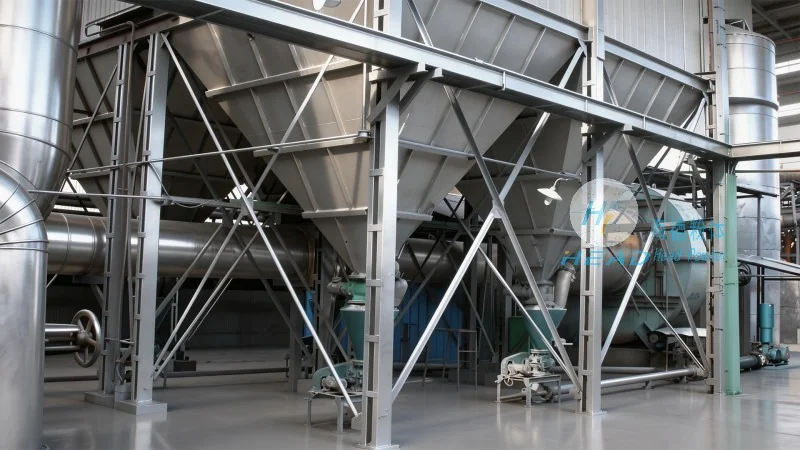
HeadPowder Engineering: Your Partner in Millet Conveyance Solutions
Shandong HeadPowder Engineering Co., Ltd., a leading provider of engineering solutions, specializes in designing and manufacturing conveyance systems tailored to the needs of the millet industry. With years of experience and a commitment to quality, HeadPowder offers a range of products that address the unique challenges of millet transport. The company's expertise lies in understanding the specific requirements of each client and providing customized solutions that enhance operational efficiency and product quality. Whether it's a mechanical conveyor, a gravity chute, or a pneumatic system, HeadPowder ensures that the chosen method is optimized for the client's millet handling needs.
Conclusion
Efficient millet conveyance is essential for optimizing production processes and ensuring the quality of the final product. By understanding the common methods available and selecting the right system, businesses can improve their operational efficiency and reduce costs. Shandong HeadPowder Engineering Co., Ltd. is dedicated to providing reliable and effective conveyance solutions that meet the specific needs of the millet industry, helping clients achieve their production goals with minimal hassle.

 Shandong Headpowder Engineering Co., Ltd.
 156-6277-7102(Quản lý Trương)
  0531-83386006
  Thành phố Tế Nam, Tỉnh Sơn Đông, Trung Quốc
Điện thoại
WeChatTư vấn
Lên đầu