Với hơn 10 năm kinh nghiệm về vận chuyển khí nén, Headpowder Sơn Đông cung cấp hệ thống, thiết bị và quạt gió toàn chuỗi, đảm nhận các dự án kỹ thuật bột trọn gói trên toàn quốc.
When it comes to handling refractory materials in industrial settings, the choice of conveying method is critical. Proper material transport ensures efficiency, safety, and product integrity throughout the production process. Among the various options available, pneumatic conveying stands out as a preferred solution for many manufacturers due to its versatility and effectiveness. This article explores the common refractory material conveying methods and highlights the advantages and features of HeadPowder's pneumatic conveying system, a leading solution from Shandong HeadPowder Engineering Co., Ltd., based in China.
Understanding Refractory Material Conveying Methods
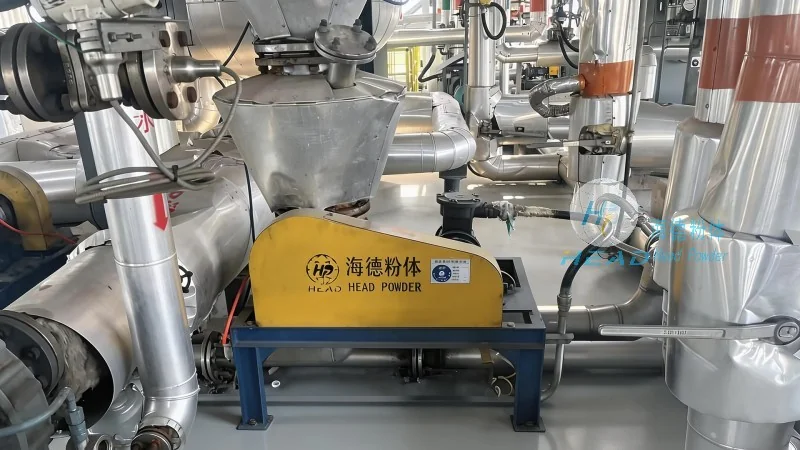
Refractory materials, such as bricks, powders, and granules, are essential components in high-temperature applications like steelmaking, ceramics, and glass production. These materials often present unique challenges during transport, including their abrasive nature, varying particle sizes, and sensitivity to moisture or contamination. Traditional methods like manual handling, bucket elevators, or belt conveyors may not always meet the demands of modern industrial operations. Consequently, specialized conveying systems have been developed to address these challenges effectively.
Common Refractory Material Conveying Methods
Several conventional methods are used for transporting refractory materials, each with its own set of advantages and limitations. The primary options include:
Belt Conveyors: These are widely used for bulk material transport over long distances. Belt conveyors are suitable for handling larger refractory pieces or bulk powders. However, they may struggle with fine powders that tend to create dust and require additional dust control measures.
Bucket Elevators: Ideal for vertical transport of refractory materials, bucket elevators use a continuous belt with attached buckets to lift materials from lower to higher levels. They are effective for vertical conveying but can be noisy and may cause material degradation if not properly maintained.
Chain Conveyors: Similar to belt conveyors, chain conveyors use a chain-driven system to move materials horizontally or at an incline. They are robust and can handle heavy loads but may be less efficient for fine powders due to the risk of material buildup and blockages.
Pneumatic Conveying: This method uses compressed air or gas to transport materials through a pipeline system. It is particularly effective for fine powders and granules, offering a dust-free and enclosed transport solution. Pneumatic conveying systems can be either pressure or vacuum-based, depending on the application requirements.
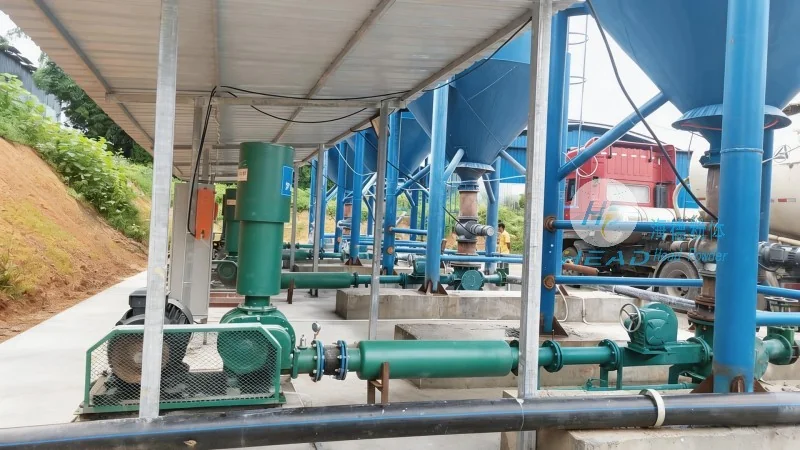
HeadPowder's Pneumatic Conveying System: Key Advantages
Shandong HeadPowder Engineering Co., Ltd., a reputable manufacturer based in China, specializes in providing advanced pneumatic conveying solutions tailored to the needs of refractory material handling. The company's pneumatic conveying system offers several distinct advantages that make it a superior choice for industrial applications:
Efficient and Versatile Transport: The system can handle a wide range of refractory materials, including powders, granules, and even bulk materials, with consistent performance. It supports both pressure and vacuum modes, allowing for flexible operation based on the specific requirements of the process.
Dust-Free and Clean Operation: Unlike traditional methods that generate significant dust and require extensive dust control measures, pneumatic conveying operates within a closed system. This reduces environmental impact, improves workplace safety, and maintains the quality of the refractory materials by preventing contamination.
Reduced Maintenance and Downtime: The design of HeadPowder's system minimizes wear and tear on components, leading to lower maintenance costs and extended equipment life. The use of high-quality materials and robust construction ensures reliability and reduces the risk of breakdowns, minimizing production downtime.
Energy Efficiency: Advanced control systems and optimized air flow management contribute to energy savings. The system can be customized to operate at optimal pressure levels, reducing energy consumption while maintaining efficient material transport.
Customization and Scalability: HeadPowder offers tailored solutions to meet the unique needs of each client. Whether for small-scale laboratory applications or large industrial production lines, the system can be scaled and configured to fit specific space constraints and operational demands. This flexibility ensures that the conveying solution is both effective and cost-efficient.
Features of HeadPowder's Pneumatic Conveying System
In addition to the advantages mentioned above, HeadPowder's pneumatic conveying system incorporates several key features that enhance its performance and usability:
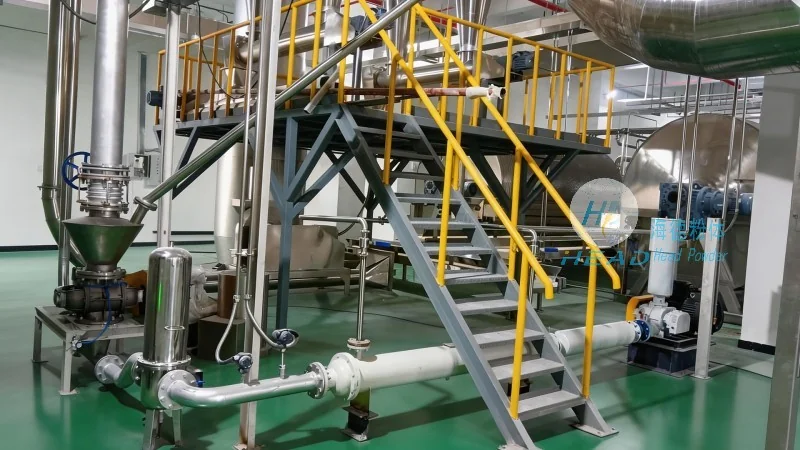
Advanced Control Technology: The system is equipped with sophisticated control panels and sensors that monitor pressure, flow rate, and material levels in real-time. This allows for precise control and immediate adjustments, ensuring optimal operation and preventing issues such as blockages or overloading.
Modular Design: The components of the system are designed as modular units, facilitating easy installation, maintenance, and upgrades. This modularity enables quick adaptation to changing production needs without the need for extensive system overhauls.
Material Compatibility: The system is constructed from materials that are resistant to the abrasive and corrosive properties of refractory materials. This ensures long-term durability and prevents material degradation or equipment failure.
Integrated Dust Collection: Many of HeadPowder's systems include integrated dust collection units that capture and filter any airborne particles, further enhancing safety and environmental compliance.
Professional Support and Service: As a company based in China, Shandong HeadPowder Engineering Co., Ltd. provides comprehensive after-sales support, including installation, training, and maintenance services. This ensures that clients receive the necessary guidance to maximize the system's performance and longevity.
Conclusion
Choosing the right refractory material conveying method is essential for maintaining operational efficiency and product quality in industrial applications. While traditional methods like belt and bucket elevators have their uses, pneumatic conveying offers superior advantages in terms of efficiency, safety, and flexibility. HeadPowder's pneumatic conveying system, from Shandong HeadPowder Engineering Co., Ltd., stands out as a reliable and effective solution that addresses the unique challenges of refractory material transport. By leveraging advanced technology and a commitment to quality, HeadPowder provides industrial manufacturers with a robust and customizable system that enhances productivity and ensures the integrity of their refractory materials throughout the conveying process.

 Shandong Headpowder Engineering Co., Ltd.
 156-6277-7102(Quản lý Trương)
  0531-83386006
  Thành phố Tế Nam, Tỉnh Sơn Đông, Trung Quốc
Điện thoại
WeChatTư vấn
Lên đầu