Với hơn 10 năm kinh nghiệm về vận chuyển khí nén, Headpowder Sơn Đông cung cấp hệ thống, thiết bị và quạt gió toàn chuỗi, đảm nhận các dự án kỹ thuật bột trọn gói trên toàn quốc.
Inorganic salt crystals are widely used in various industrial processes, from chemical manufacturing to food processing and water treatment. The efficient and reliable transportation of these crystals is crucial for maintaining production efficiency and product quality. Different conveying methods are employed based on the specific characteristics of the salt crystals, such as particle size, density, and flowability, as well as the operational requirements of the facility. This article explores common inorganic salt crystal conveying methods, with a focus on the advantages and applications of pneumatic conveying systems.
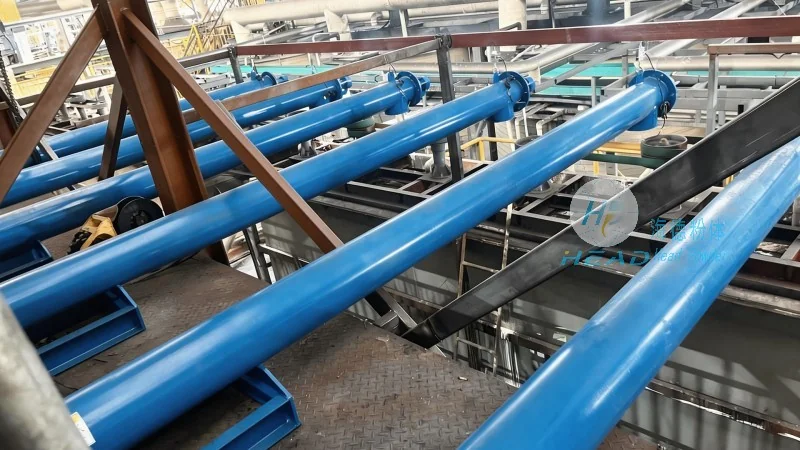
Common Conveying Methods for Inorganic Salt Crystals
Several conventional methods are utilized for transporting inorganic salt crystals, each with its own set of advantages and limitations. The choice of method often depends on factors like the distance to be covered, the volume of material to be moved, and the need for dust control. Traditional approaches include gravity conveyors, mechanical conveyors, and pneumatic systems. Gravity conveyors rely on the natural slope of the material to move it downward, making them suitable for short distances and low volumes. However, they are limited by the need for a suitable incline and may not be effective for fine or cohesive crystals. Mechanical conveyors, such as belt conveyors, screw conveyors, and bucket elevators, use mechanical components to transport the crystals. Belt conveyors are ideal for bulk material handling over longer distances, while screw conveyors are well-suited for vertical or inclined transport of free-flowing materials. Bucket elevators are commonly used in vertical applications, especially in industries where dust control is a priority. These mechanical systems are generally robust and easy to maintain, but they may require more space and energy compared to pneumatic alternatives.
Pneumatic Conveying of Inorganic Salt Crystals: Advantages and Applications
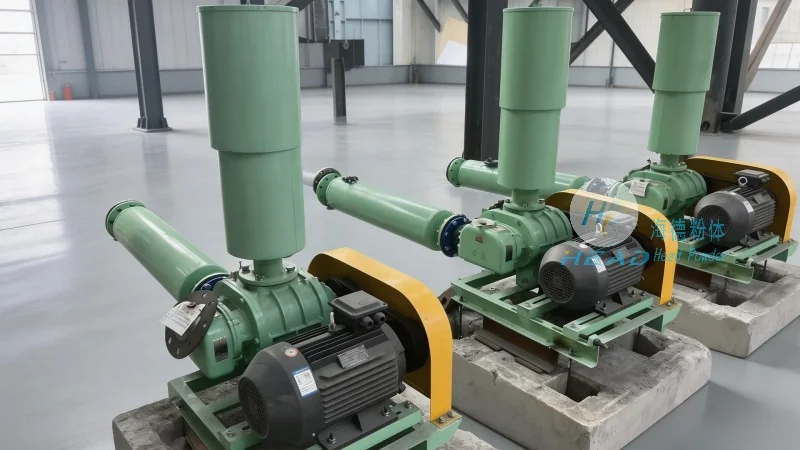
Pneumatic conveying, also known as air conveying, is a method that uses compressed air to transport solid materials, including inorganic salt crystals, through a pipeline. This technology offers several advantages over traditional mechanical methods, particularly in terms of flexibility, dust control, and the ability to handle a wide range of particle sizes and flow properties. Pneumatic systems can transport materials over long distances, often without the need for intermediate storage or transfer points. They are also highly effective at controlling dust, as the material is contained within the pipeline, reducing the risk of airborne contamination. This is especially important for inorganic salt crystals, which may be fine or have a tendency to generate dust during handling. There are two main types of pneumatic conveying systems: positive pressure and negative pressure. Positive pressure systems use a blower to force air and material through the pipeline, while negative pressure systems use a vacuum to draw material into the system. The choice between these systems depends on the specific application, including the distance to be covered and the need to minimize air leakage. For inorganic salt crystals, positive pressure systems are often preferred due to their ability to handle higher material loads and provide better control over the conveying process.
Key Features of Pneumatic Conveying Systems for Inorganic Salt Crystals
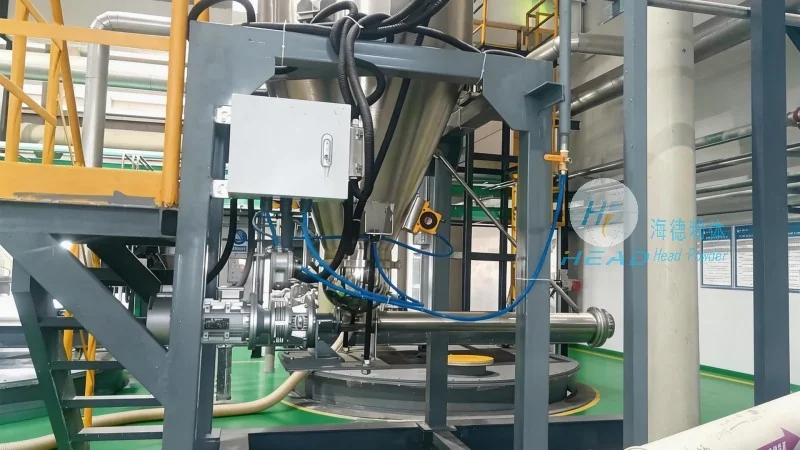
The effectiveness of a pneumatic conveying system for inorganic salt crystals depends on several key features. First, the system must be designed to handle the specific characteristics of the salt, such as particle size distribution, density, and moisture content. Fine or cohesive crystals may require specialized feeding equipment, such as rotary valves or vibratory feeders, to ensure consistent and reliable material flow. The pipeline design is also critical, as it must be able to accommodate the material's flow properties without causing blockages or excessive pressure drops. Materials like stainless steel or special alloys are often used for the pipeline to prevent corrosion from the inorganic salts. The separation and collection equipment at the end of the conveying line is another important feature. Cyclone separators or bag filters are commonly used to separate the material from the air stream, ensuring that the crystals are collected efficiently and without loss. The air filtration system is also essential to maintain air quality and comply with environmental regulations.
Practical Considerations for Selecting a Conveying Method
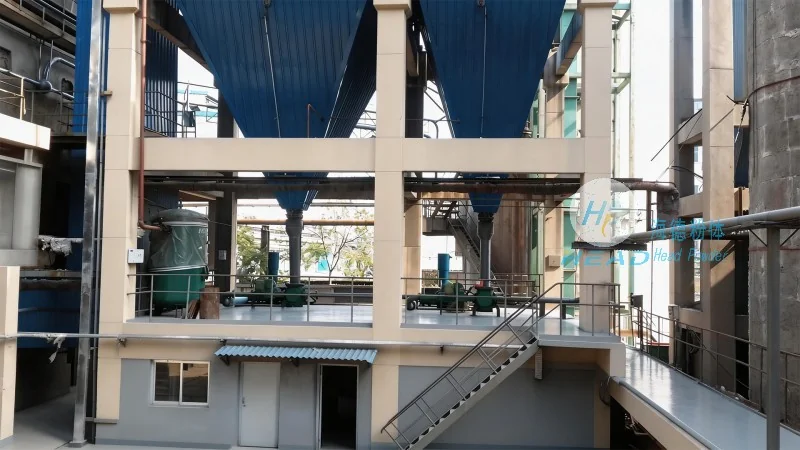
When selecting a conveying method for inorganic salt crystals, several practical considerations must be taken into account. The first is the distance and layout of the facility. For short distances and low volumes, gravity or mechanical conveyors may be sufficient. However, for longer distances or higher volumes, pneumatic conveying is often the most efficient option. The second consideration is the material's properties. Fine or cohesive crystals may require more sophisticated equipment to ensure proper handling, while free-flowing materials may be better suited to mechanical systems. The third factor is the need for dust control. If the facility is located in an area with strict environmental regulations, pneumatic systems may be preferred due to their enclosed design. Finally, the cost and maintenance requirements of the system should be evaluated. While pneumatic systems may have higher initial costs, they can offer long-term savings through reduced labor and maintenance compared to mechanical systems.
The Role of Shandong HeadPowder Engineering Co., Ltd. in Inorganic Salt Crystal Conveying Solutions
Shandong HeadPowder Engineering Co., Ltd., commonly known as headpowder, is a leading provider of customized conveying solutions for inorganic salt crystals. With its headquarters in Shandong, China, the company has extensive experience in designing and manufacturing pneumatic conveying systems tailored to the specific needs of its clients. HeadPowder's engineers work closely with customers to understand their operational requirements and material characteristics, ensuring that the final system is both efficient and reliable. The company offers a range of components, including feeders, pipelines, separators, and air filtration systems, all designed to work together seamlessly. By leveraging advanced technology and a deep understanding of inorganic salt crystal properties, HeadPowder provides solutions that enhance production efficiency, reduce downtime, and improve overall product quality. The company's commitment to quality and customer satisfaction has made it a trusted partner for many industries relying on inorganic salt crystals, from chemical manufacturers to food processors and water treatment facilities.

 Shandong Headpowder Engineering Co., Ltd.
 156-6277-7102(Quản lý Trương)
  0531-83386006
  Thành phố Tế Nam, Tỉnh Sơn Đông, Trung Quốc
Điện thoại
WeChatTư vấn
Lên đầu