Với hơn 10 năm kinh nghiệm về vận chuyển khí nén, Headpowder Sơn Đông cung cấp hệ thống, thiết bị và quạt gió toàn chuỗi, đảm nhận các dự án kỹ thuật bột trọn gói trên toàn quốc.
When it comes to the efficient and reliable transportation of graphite powder, the design of a pneumatic conveying system is a critical factor that can significantly impact operational performance and overall cost-effectiveness. For industries dealing with graphite powders, selecting the right system design is essential to ensure smooth material handling, minimize downtime, and maintain product quality. This article will explore the key considerations and steps involved in designing a reasonable graphite powder pneumatic conveying system plan, providing insights into how to achieve optimal results.
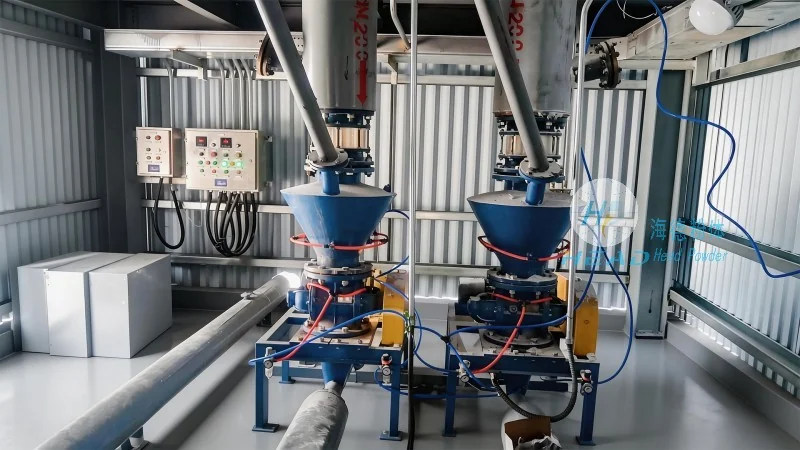
Understanding the Core Principles of Graphite Powder Pneumatic Conveying
Before diving into the design process, it's important to understand the fundamental principles of pneumatic conveying for graphite powders. Pneumatic conveying systems use air or other gases to transport bulk materials through a pipeline network. For graphite powder, which is typically fine and can be prone to dusting or caking under certain conditions, the system design must address specific challenges such as particle size, density, and flow characteristics. The choice between positive pressure, negative pressure, or a combination of both depends on the material's properties and the application requirements.
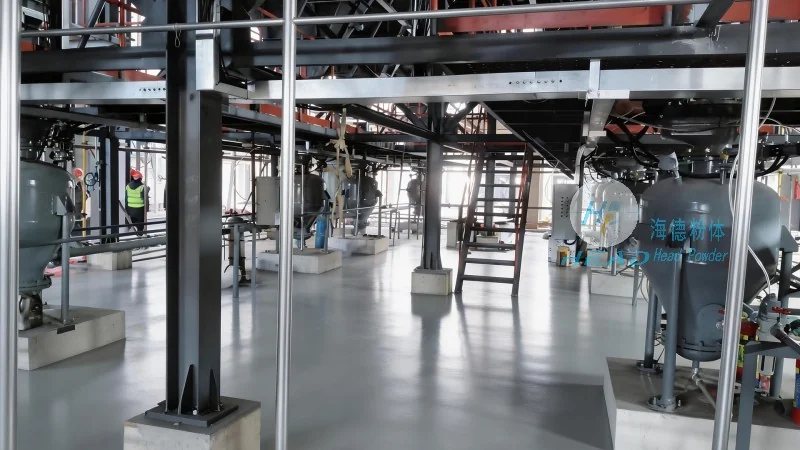
Key Factors to Consider in System Design
Several key factors must be evaluated when designing a graphite powder pneumatic conveying system. First, the material's physical properties, including particle size distribution, bulk density, and moisture content, play a crucial role in determining the appropriate conveying velocity and system pressure. For example, finer graphite powders may require higher air velocities to prevent clogging or deposition in the pipeline. Second, the system's capacity and flow rate needs to be matched to the production requirements. This involves calculating the required air volume and pressure to achieve the desired material throughput. Third, the system layout and pipeline configuration are critical for minimizing pressure losses and ensuring consistent flow. Factors such as pipeline length, diameter, and bends must be carefully considered to optimize system performance and reduce energy consumption.
Components of a Typical Graphite Powder Pneumatic Conveying System
A well-designed graphite powder pneumatic conveying system typically consists of several key components. The primary components include a material feeder, which ensures a consistent and controlled feed of graphite powder into the system. The feeder can be a rotary valve, a star feeder, or a pressure feeder, depending on the material's characteristics and the system's requirements. Next, the air compressor or blower provides the necessary pressure and air volume to move the material through the pipeline. The choice of compressor type (e.g., positive displacement or centrifugal) depends on the system's pressure and flow requirements. The pipeline network, including straight sections, bends, and elbows, must be designed to minimize pressure drop and maintain consistent flow velocities. Additionally, the system may include a filter or dust collector to capture any airborne particles and prevent contamination of the environment or downstream equipment. Finally, the discharge unit, such as a rotary valve or a pressure vessel, controls the release of the graphite powder at the destination point.
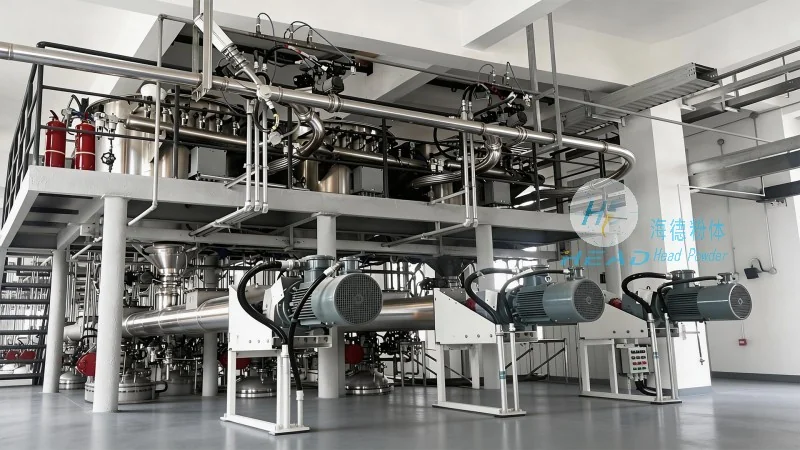
Design Considerations for Different Conveying Modes
Graphite powder pneumatic conveying systems can operate in different modes, each with its own advantages and considerations. The most common modes are positive pressure, negative pressure, and a combination of both. Positive pressure systems use a blower or compressor to push the material through the pipeline, while negative pressure systems use a vacuum to draw the material. Positive pressure systems are generally more suitable for long-distance or high-capacity applications, as they can maintain higher pressures and flow rates. However, they require more robust components and higher energy consumption. Negative pressure systems are often used for shorter distances or when the material needs to be transported from a confined space, as they can handle fine powders without the risk of clogging. The choice of mode depends on factors such as the material's properties, the system's layout, and the required throughput.
Calculating System Parameters and Performance
Accurate calculation of system parameters is essential for designing an efficient graphite powder pneumatic conveying system. The first step is to determine the required conveying velocity, which is typically 20-30 times the particle's terminal velocity. This ensures that the particles are fully suspended in the air stream and prevents deposition. The air velocity can be calculated using the formula: v = (K * d)^0.5, where K is a constant (approximately 8-10 for fine powders) and d is the particle diameter. The system pressure is then determined based on the required air velocity and the total pressure drop across the pipeline, including losses due to bends, elbows, and other components. The total pressure drop can be calculated using the Darcy-Weisbach equation or empirical correlations, taking into account the pipeline diameter, length, and material properties. By accurately calculating these parameters, engineers can design a system that meets the required performance while minimizing energy consumption and operational costs.
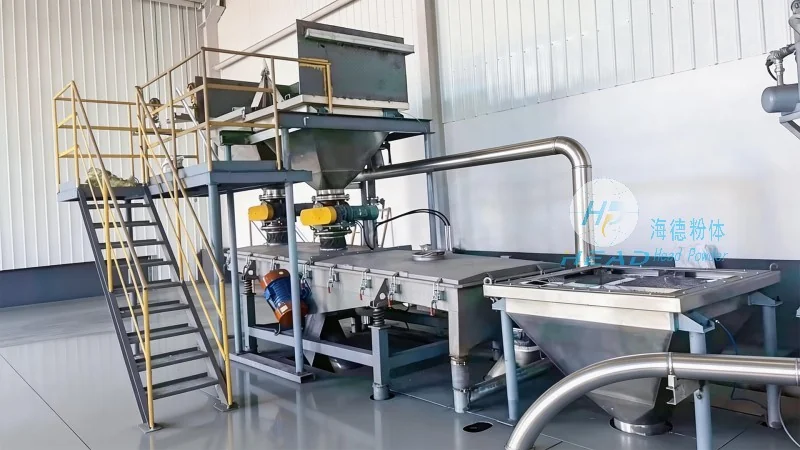
Ensuring System Reliability and Maintenance
Once the system is designed and installed, ensuring its reliability and proper maintenance is crucial for long-term performance. Regular maintenance of components such as the air compressor, material feeder, and filter is essential to prevent breakdowns and ensure consistent operation. The filter or dust collector should be regularly cleaned or replaced to maintain its efficiency and prevent clogging. Additionally, monitoring system performance parameters such as pressure, flow rate, and material throughput can help identify potential issues before they become major problems. By implementing a proactive maintenance schedule and monitoring system, operators can ensure that the graphite powder pneumatic conveying system operates efficiently and reliably over its service life.

 Shandong Headpowder Engineering Co., Ltd.
 156-6277-7102(Quản lý Trương)
  0531-83386006
  Thành phố Tế Nam, Tỉnh Sơn Đông, Trung Quốc
Điện thoại
WeChatTư vấn
Lên đầu