Với hơn 10 năm kinh nghiệm về vận chuyển khí nén, Headpowder Sơn Đông cung cấp hệ thống, thiết bị và quạt gió toàn chuỗi, đảm nhận các dự án kỹ thuật bột trọn gói trên toàn quốc.
For industrial applications involving the transport of micropowders, the design of an efficient and reliable pneumatic conveying system is critical. A well-engineered system not only ensures smooth material flow but also minimizes operational costs and enhances overall productivity. This article outlines key considerations and best practices for designing a reasonable micropowder pneumatic conveying system, with insights from Shandong HeadPowder Engineering Co., Ltd., a leading provider in the field.
Key Factors in System Planning
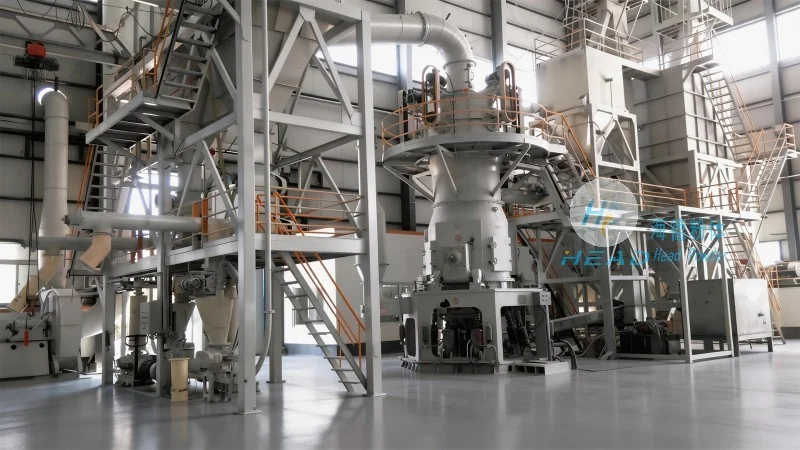
Before initiating the design process, several fundamental factors must be evaluated to ensure the system meets operational requirements. The first step is to assess the material characteristics of the micropowder, including particle size, density, moisture content, and flowability. These properties directly influence the choice of conveying method—whether it's a pressure or vacuum system—and the type of equipment needed. Additionally, the distance and elevation change between the source and destination of the material must be considered, as these factors impact the required air pressure and energy consumption. The volume of material to be conveyed per hour and the system's expected lifespan are also critical parameters that guide the selection of components and system capacity.
Equipment Selection for Micropowder Handling
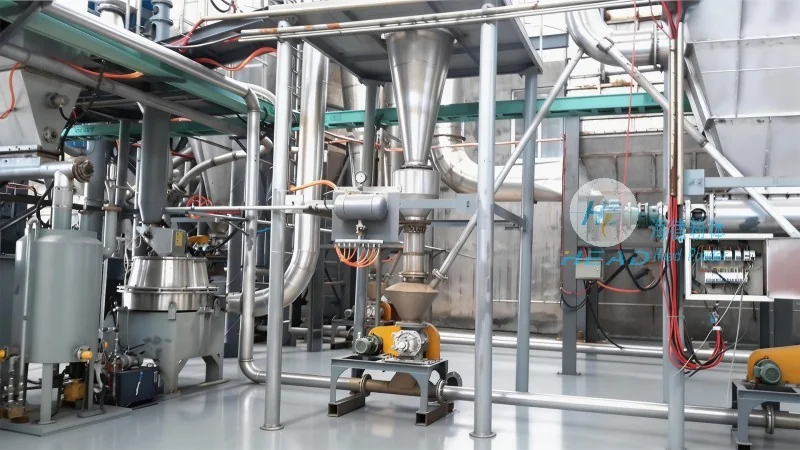
Shandong HeadPowder Engineering Co., Ltd. emphasizes the importance of selecting appropriate equipment for micropowder handling. The primary components of a pneumatic conveying system include the material feed device, air compressor, conveying line, and material receiver. For micropowders, the feed device is often a rotary valve or a metering pump to control the flow rate and prevent blockages. The air compressor must be capable of delivering the necessary pressure and volume, with options ranging from rotary screw to reciprocating types, depending on the system's scale and operational demands. The conveying line, typically made of stainless steel or plastic, must be designed to handle the abrasive nature of micropowders and maintain airtightness to prevent material leakage. Finally, the material receiver, such as a hopper or silo, should be equipped with a dust collection system to comply with environmental regulations and ensure safe material storage.
Pipeline Design Considerations
Pipeline design is a critical aspect of system performance, as it directly affects the efficiency and reliability of material transport. The diameter of the conveying line is determined by the material's flow rate and particle size; larger diameters are preferred for higher flow rates to reduce pressure drop and energy consumption. The layout of the pipeline should be as direct as possible to minimize bends and fittings, which can cause pressure losses and material deposition. For vertical sections, the use of inclined or vertical conveying lines with appropriate air distribution devices (such as venturi or eductor) is essential to prevent material settling and ensure smooth flow. Additionally, the installation of check valves and pressure relief valves is necessary to protect the system from overpressure and ensure safe operation.
Air Source and Pressure Management
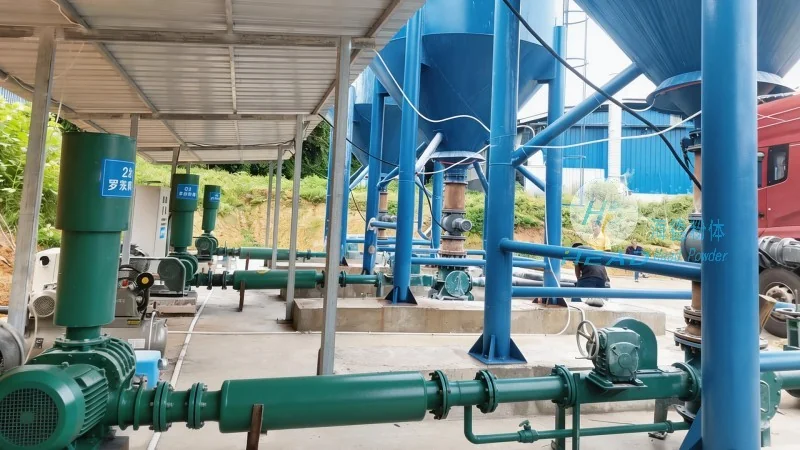
The air source and pressure management are vital for maintaining consistent material flow and preventing system failures. The air compressor must be sized to provide the required pressure and volume, with considerations for pressure fluctuations and system losses. For pressure systems, the compressor typically operates at 4-7 bar, while vacuum systems may use lower pressures (e.g., 0.5-1 bar). The use of air filters and dryers is essential to remove moisture and contaminants from the air, as moisture can cause material caking and corrosion in the system components. Additionally, the inclusion of pressure regulators and flow meters allows for precise control of air pressure and flow rate, ensuring optimal system performance.
Control Systems and Safety Measures
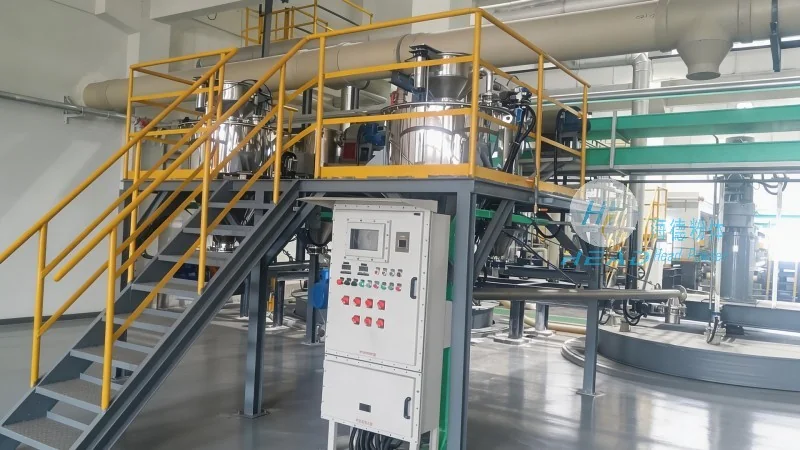
Modern pneumatic conveying systems incorporate advanced control systems to enhance operational efficiency and safety. These systems typically include sensors for monitoring pressure, flow rate, and material level, which provide real-time data to the control panel. The control panel allows operators to adjust system parameters, such as air pressure and flow rate, based on the material's characteristics and operational conditions. Safety measures are also critical, as micropowders can pose fire and explosion risks if not handled properly. The system should be equipped with explosion-proof components, such as air compressors and valves, and include fire suppression systems or inert gas purging to mitigate risks. Additionally, regular maintenance and inspection of the system are necessary to ensure compliance with safety standards and prevent accidents.
Conclusion and Company Expertise
Designing a reasonable micropowder pneumatic conveying system requires a comprehensive approach that considers material properties, operational requirements, and safety regulations. Shandong HeadPowder Engineering Co., Ltd. specializes in providing customized solutions for industrial material handling, leveraging years of experience and advanced engineering expertise. By focusing on key factors such as equipment selection, pipeline design, and control systems, companies can achieve efficient and reliable micropowder transport, reducing operational costs and improving overall productivity. With a commitment to quality and customer satisfaction, HeadPowder offers tailored solutions that meet the unique needs of each industrial application.

 Shandong Headpowder Engineering Co., Ltd.
 156-6277-7102(Quản lý Trương)
  0531-83386006
  Thành phố Tế Nam, Tỉnh Sơn Đông, Trung Quốc
Điện thoại
WeChatTư vấn
Lên đầu