Với hơn 10 năm kinh nghiệm về vận chuyển khí nén, Headpowder Sơn Đông cung cấp hệ thống, thiết bị và quạt gió toàn chuỗi, đảm nhận các dự án kỹ thuật bột trọn gói trên toàn quốc.
Cellulose, a fundamental component in various industrial applications, often requires efficient and reliable transportation from production sites to processing or storage facilities. The choice of conveying method significantly impacts operational efficiency, material integrity, and overall cost-effectiveness. This article explores common cellulose conveying methods and highlights the advantages of HeadPowder's pneumatic conveying technology, a leading solution for handling cellulose materials with precision and efficiency.
Overview of Common Cellulose Conveying Methods
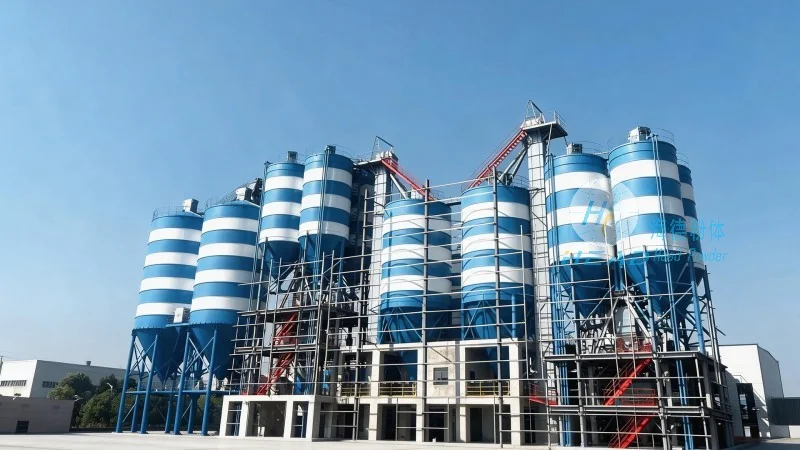
Traditional cellulose conveying methods include mechanical systems such as belt conveyors, screw conveyors, and bucket elevators. These methods are widely used due to their simplicity and adaptability. Belt conveyors, for instance, are ideal for transporting bulk materials over short to medium distances, while screw conveyors excel in vertical or inclined transport, often with the ability to mix materials. Bucket elevators, on the other hand, are suitable for vertical lifting of granular or fine materials, providing a continuous and controlled flow. However, these mechanical systems may face challenges with material abrasion, blockages, and the need for regular maintenance, which can increase operational downtime and costs.
Challenges in Conventional Cellulose Conveying
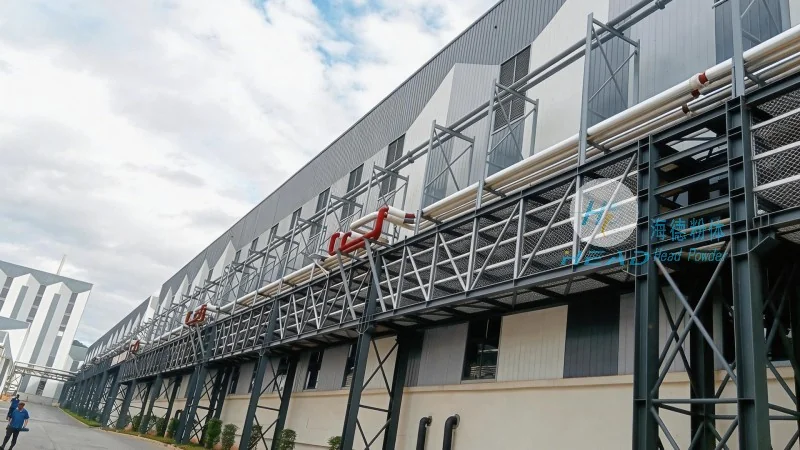
Despite their widespread use, conventional mechanical conveying methods present several limitations when handling cellulose materials. One major challenge is the risk of material degradation due to friction and mechanical stress. Cellulose fibers are susceptible to breakage or damage when subjected to high pressure or abrasive surfaces, which can reduce their quality and affect downstream processes. Additionally, mechanical systems may struggle with handling fine or dusty cellulose powders, as they are prone to clogging and require frequent cleaning or maintenance. The need for regular upkeep, including lubrication and component replacement, adds to the long-term operational expenses. Furthermore, space constraints and the need for multiple transfer points can complicate the integration of mechanical conveyors into existing production lines, leading to inefficiencies and increased installation costs.
HeadPowder's Pneumatic Conveying Technology: Advantages and Features
HeadPowder, a renowned manufacturer based in Shandong, China, offers advanced pneumatic conveying solutions tailored to the unique demands of cellulose material handling. Pneumatic conveying systems utilize air or other gases to transport materials through a pipeline network, eliminating the need for mechanical components that can cause material damage. This technology provides a gentle and efficient method for moving cellulose, ensuring minimal degradation and preserving material integrity throughout the conveying process.
Key advantages of HeadPowder's pneumatic conveying system include its ability to handle a wide range of cellulose types, from fine powders to larger granules, with consistent performance. The system is designed to minimize material contact with surfaces, reducing the risk of abrasion and maintaining the natural properties of the cellulose. Additionally, pneumatic conveying offers high flexibility in terms of layout and integration, allowing for seamless connections between production, processing, and storage areas without the need for complex mechanical transfers.
Efficiency and Cost-Effectiveness of Pneumatic Conveying
Compared to traditional mechanical systems, HeadPowder's pneumatic conveying technology demonstrates superior efficiency and cost savings. The absence of moving parts reduces maintenance requirements, leading to lower operational costs and increased uptime. The system's ability to handle materials over longer distances with minimal energy consumption further enhances its economic viability. For cellulose applications, where material quality is critical, the gentle handling provided by pneumatic systems ensures that the final product remains consistent and free from defects, reducing waste and improving overall profitability.
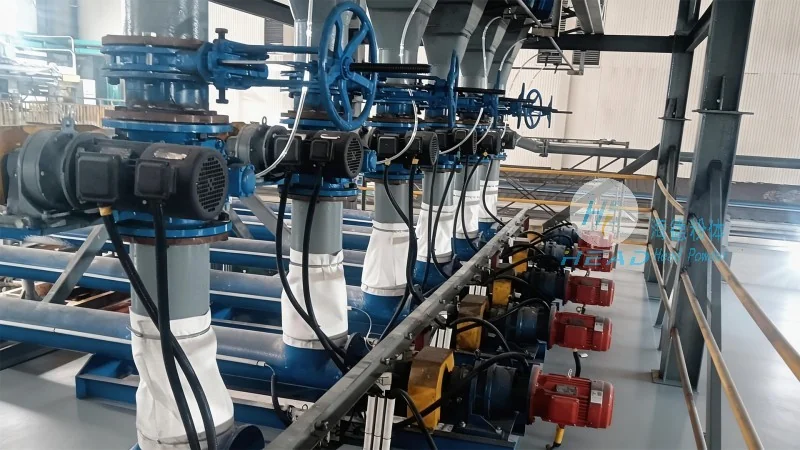
Customization and Scalability for Diverse Applications
HeadPowder understands that different cellulose processing facilities have varying requirements. Therefore, their pneumatic conveying solutions are highly customizable to meet specific operational needs. Whether it's a small-scale operation or a large industrial plant, the system can be scaled to accommodate varying material volumes and throughput rates. The company's engineering expertise allows for the design of tailored pipelines, control systems, and material handling equipment that align with the client's production goals. This flexibility ensures that clients can optimize their conveying processes without compromising on performance or reliability.
Conclusion: Choosing the Right Conveying Solution for Cellulose
In conclusion, while conventional mechanical conveying methods have their place in certain applications, pneumatic conveying technology, as offered by HeadPowder, provides a superior alternative for handling cellulose materials. The advantages of minimal material degradation, high efficiency, and cost-effectiveness make it an ideal choice for industries seeking to enhance their operational performance and maintain product quality. With a strong presence in Shandong, China, HeadPowder continues to innovate and provide reliable solutions that meet the evolving needs of the cellulose processing industry.

 Shandong Headpowder Engineering Co., Ltd.
 156-6277-7102(Quản lý Trương)
  0531-83386006
  Thành phố Tế Nam, Tỉnh Sơn Đông, Trung Quốc
Điện thoại
WeChatTư vấn
Lên đầu