Với hơn 10 năm kinh nghiệm về vận chuyển khí nén, Headpowder Sơn Đông cung cấp hệ thống, thiết bị và quạt gió toàn chuỗi, đảm nhận các dự án kỹ thuật bột trọn gói trên toàn quốc.
Stone powder, a vital component in numerous industrial sectors, demands efficient and reliable transport solutions to maintain seamless production workflows. The choice of conveying method directly impacts operational efficiency, material integrity, and overall system performance. This article delves into common stone powder conveying methods, with a focus on the benefits and applications of pneumatic conveying systems.
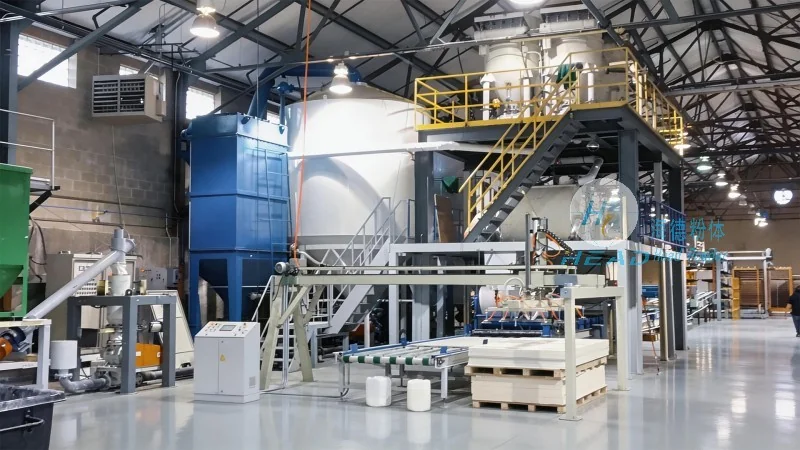
Overview of Stone Powder Conveying Methods
Stone powder, derived from crushed stones or industrial byproducts, is widely utilized in construction, manufacturing, and chemical industries. Efficient transport of this fine powder from storage to processing units is critical for sustaining production continuity. Traditional methods such as belt conveyors, screw conveyors, and bucket elevators are commonly employed. However, these systems often encounter challenges like material buildup, blockages, and contamination risks, especially with fine powders. Pneumatic conveying emerges as a superior alternative, offering flexibility and effectiveness in handling stone powder.
Pneumatic Conveying Systems: The Preferred Solution for Stone Powder
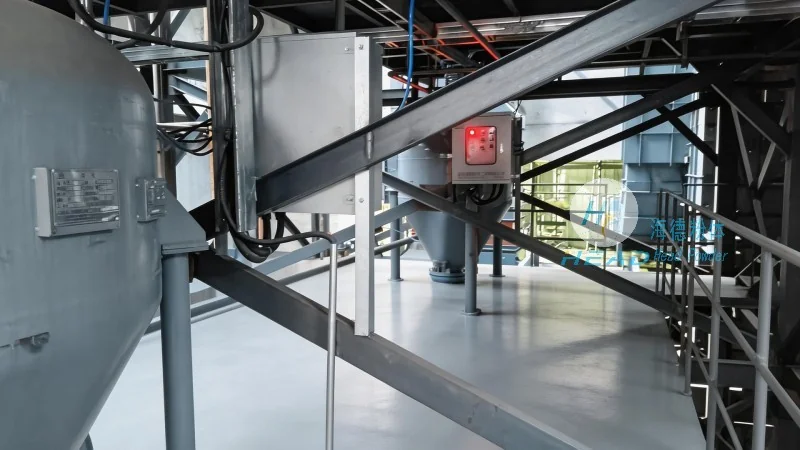
HeadPowder, a leading provider of material handling solutions, specializes in pneumatic conveying systems designed for stone powder applications. Pneumatic conveying utilizes compressed air or gas to transport powder through a pipeline, eliminating the need for mechanical components that can cause wear, tear, or material degradation. This method is particularly advantageous for stone powder due to its ability to handle fine particles without clogging or damaging the material.
The fundamental components of a pneumatic conveying system for stone powder include a hopper, a feeder, a compressor, and a pipeline network. The hopper stores the stone powder, while the feeder regulates the flow rate into the system. The compressor generates the necessary air pressure to move the powder through the pipeline. The pipeline, typically constructed from stainless steel or other corrosion-resistant materials, ensures durability and prevents material contamination. HeadPowder's systems are engineered to accommodate varying particle sizes and flow rates, making them adaptable to diverse production requirements.
Advantages of Pneumatic Conveying for Stone Powder
Compared to traditional mechanical conveyors, pneumatic conveying offers several key advantages for stone powder handling. First, it minimizes material degradation and contamination, as the powder is not subjected to friction or contact with metal surfaces. This is crucial for maintaining the quality of stone powder, which is often used in high-value applications like concrete production or pharmaceuticals. Second, pneumatic systems provide greater flexibility and can be easily reconfigured to adapt to changes in production processes or layout. They can transport stone powder over extended distances and through complex routes without additional equipment. Third, these systems are generally more energy-efficient and require less maintenance, as they have fewer moving parts compared to mechanical conveyors.
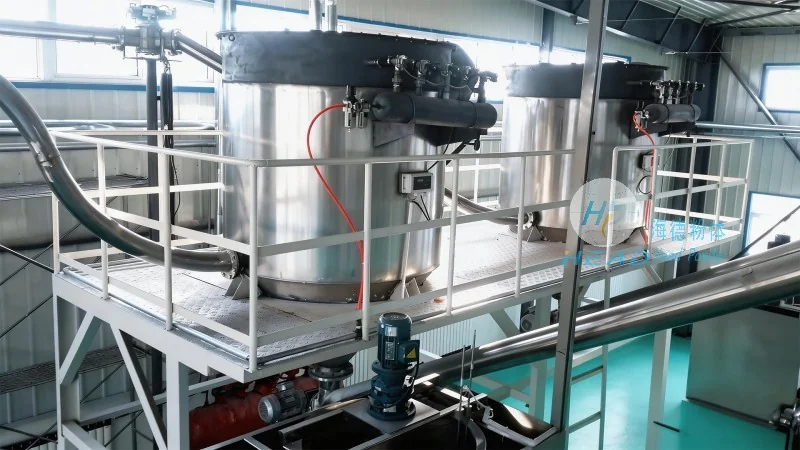
Applications and Real-World Implementations
HeadPowder's pneumatic conveying systems have been successfully deployed in various industries, including construction, mining, and chemical manufacturing. For instance, in a concrete mixing plant, the system efficiently transports stone powder from storage silos to the mixing area, ensuring consistent material delivery and reducing downtime. In a mining operation, the system handles stone powder from crushing and grinding processes, transporting it to storage or processing units. These case studies demonstrate the effectiveness of pneumatic conveying in enhancing operational efficiency and product quality.
Conclusion
When selecting a conveying method for stone powder, factors such as material properties, production scale, and operational needs must be considered. Pneumatic conveying, as detailed in this article, provides a superior solution for many applications due to its flexibility, efficiency, and ability to preserve material quality. HeadPowder, with its expertise in material handling, offers customized pneumatic conveying systems tailored to client-specific requirements, ensuring reliable and efficient stone powder transport. By choosing the right conveying method, industries can boost productivity, reduce costs, and improve overall system performance.

 Shandong Headpowder Engineering Co., Ltd.
 156-6277-7102(Quản lý Trương)
  0531-83386006
  Thành phố Tế Nam, Tỉnh Sơn Đông, Trung Quốc
Điện thoại
WeChatTư vấn
Lên đầu