Với hơn 10 năm kinh nghiệm về vận chuyển khí nén, Headpowder Sơn Đông cung cấp hệ thống, thiết bị và quạt gió toàn chuỗi, đảm nhận các dự án kỹ thuật bột trọn gói trên toàn quốc.
The efficient and reliable transport of zinc oxide powder is a critical aspect of industrial operations, especially in sectors like pharmaceuticals, ceramics, and rubber manufacturing. As a leading provider of specialized engineering solutions, Shandong HeadPowder Engineering Co., Ltd. (headpowder) has developed expertise in various conveying methods tailored to the unique properties of zinc oxide powder. This article explores common zinc oxide powder conveying methods, with a particular focus on air-driven systems, and highlights how these technologies contribute to improved process efficiency and product quality.
Understanding the Importance of Efficient Conveying for Zinc Oxide Powder
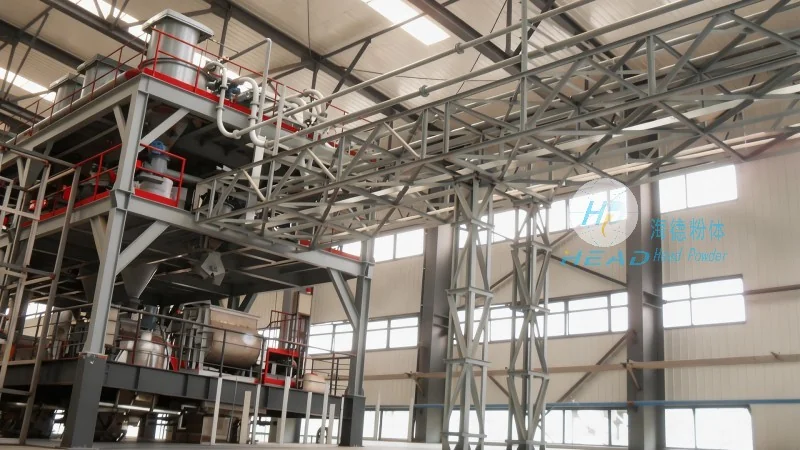
Zinc oxide powder, due to its fine particle size and potential for static charge accumulation, requires specialized handling to prevent caking, segregation, and loss of material. Traditional conveying methods, such as mechanical screw conveyors or belt conveyors, may not be suitable for this material due to the risk of blockages and material degradation. Air-driven conveying systems, including pneumatic conveying, offer a more effective solution by utilizing compressed air to transport the powder through pipelines.
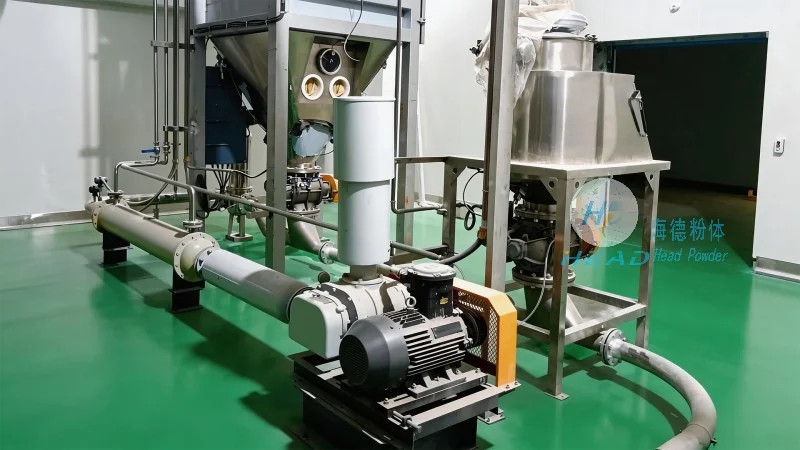
Air-Driven Conveying Systems: A Comprehensive Overview
Air-driven conveying systems for zinc oxide powder typically operate on the principle of positive or negative pressure. Positive pressure systems force air and powder through the pipeline, while negative pressure systems draw the powder into the system using vacuum. Both methods are designed to minimize material degradation and ensure consistent flow rates. Key features of these systems include:
- Low maintenance requirements: Unlike mechanical systems, air-driven conveyors have fewer moving parts, reducing the need for frequent repairs and maintenance.
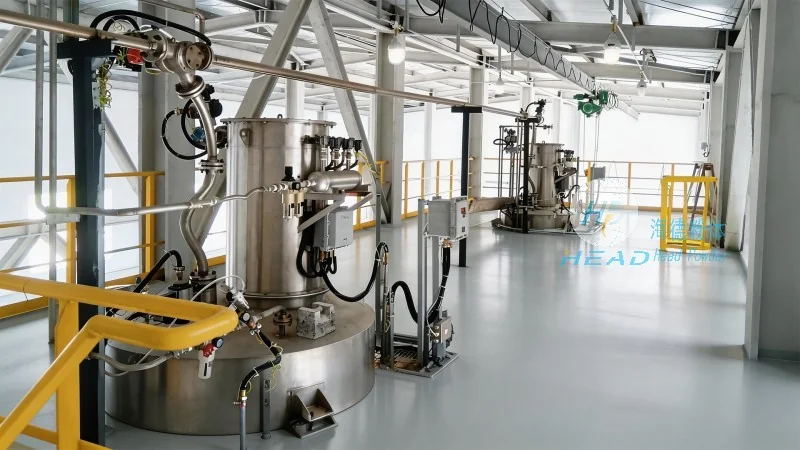
- Versatility in layout: The flexible pipeline design allows for complex layouts, enabling the powder to be transported over long distances or around obstacles.
- Reduced product contamination: The enclosed system prevents contamination from external sources, maintaining the purity of the zinc oxide powder.
Practical Applications and Industry Use Cases
In pharmaceutical applications, where zinc oxide is used as an active ingredient or excipient, air-driven conveying ensures that the powder remains free from contaminants and maintains its pharmaceutical grade. Similarly, in the ceramics industry, where zinc oxide is used as a flux or opacifier, the system's ability to handle fine particles without caking is crucial for achieving uniform product quality.
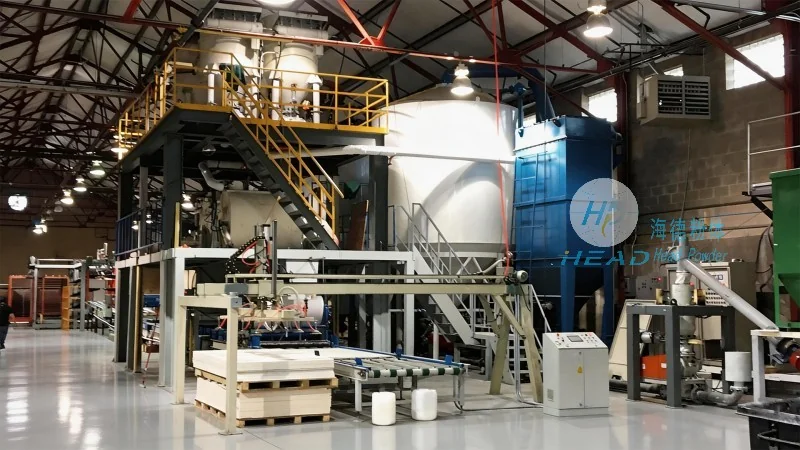
How HeadPowder Engineering Enhances Zinc Oxide Powder Conveying Solutions
HeadPowder Engineering's expertise lies in customizing air-driven conveying systems to meet the specific needs of clients. By considering factors such as particle size distribution, moisture content, and desired flow rates, the company designs systems that optimize performance and minimize operational costs.
Conclusion: Choosing the Right Conveying Method for Zinc Oxide Powder
Choosing the right conveying method for zinc oxide powder is essential for maintaining product integrity and operational efficiency. Air-driven conveying systems, with their ability to handle fine powders and minimize contamination, are increasingly becoming the preferred choice in the industry. Shandong HeadPowder Engineering Co., Ltd. continues to innovate and provide tailored solutions that enhance the overall performance of zinc oxide powder handling processes.

 Shandong Headpowder Engineering Co., Ltd.
 156-6277-7102(Quản lý Trương)
  0531-83386006
  Thành phố Tế Nam, Tỉnh Sơn Đông, Trung Quốc
Điện thoại
WeChatTư vấn
Lên đầu