Với hơn 10 năm kinh nghiệm về vận chuyển khí nén, Headpowder Sơn Đông cung cấp hệ thống, thiết bị và quạt gió toàn chuỗi, đảm nhận các dự án kỹ thuật bột trọn gói trên toàn quốc.
Monosodium glutamate (MSG), commonly known as a flavor enhancer, is widely used in the food industry. The efficient and safe transportation of MSG is crucial for maintaining product quality and ensuring timely delivery to various clients. This article explores the different methods employed for the transport of monosodium glutamate, highlighting the key considerations and processes involved.
Overview of Monosodium Glutamate (MSG) Transportation
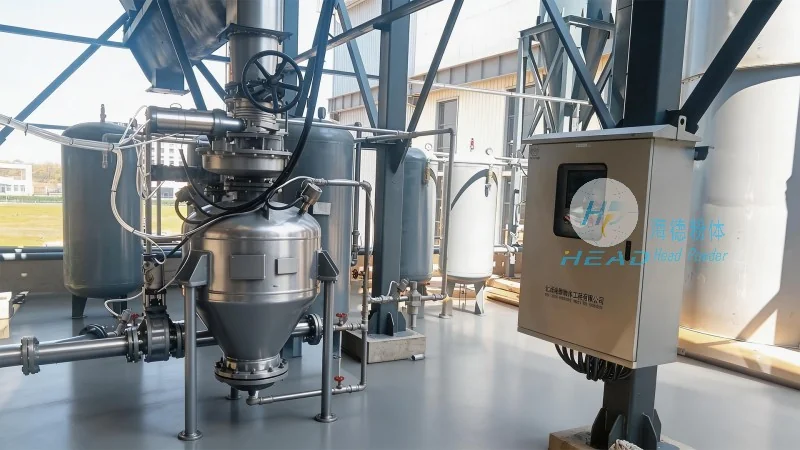
Monosodium glutamate (MSG) is a chemical compound used to enhance the flavor of foods. Its transportation requires careful handling due to its properties and the need to preserve its quality. The methods used for MSG transport vary based on the quantity, destination, and regulatory requirements. Understanding these methods helps in selecting the most appropriate option for businesses dealing with MSG.
Common Transportation Methods for Monosodium Glutamate

Several transportation methods are commonly utilized for the movement of monosodium glutamate. These include road transport, rail transport, and sometimes sea transport, depending on the distance and scale of operations. Each method has its advantages and considerations that influence the choice of transport for MSG.
1. Road Transportation
Road transport is a popular method for the delivery of monosodium glutamate, especially for shorter distances and smaller quantities. Trucks equipped with temperature-controlled containers are often used to ensure the product remains in optimal condition during transit. This method allows for flexibility in scheduling and can reach destinations that are not easily accessible by rail or sea. The use of specialized vehicles and proper packaging is essential to prevent contamination and maintain the integrity of the product.
2. Rail Transportation
For larger volumes and longer distances, rail transport is an efficient option. Railcars specifically designed for bulk chemical transport are used to carry monosodium glutamate. This method is cost-effective and can handle significant quantities, reducing the number of trips needed. The rail network allows for consistent and reliable delivery, minimizing the risk of delays. Proper labeling and safety measures are critical to ensure compliance with regulations and prevent accidents during rail transport.
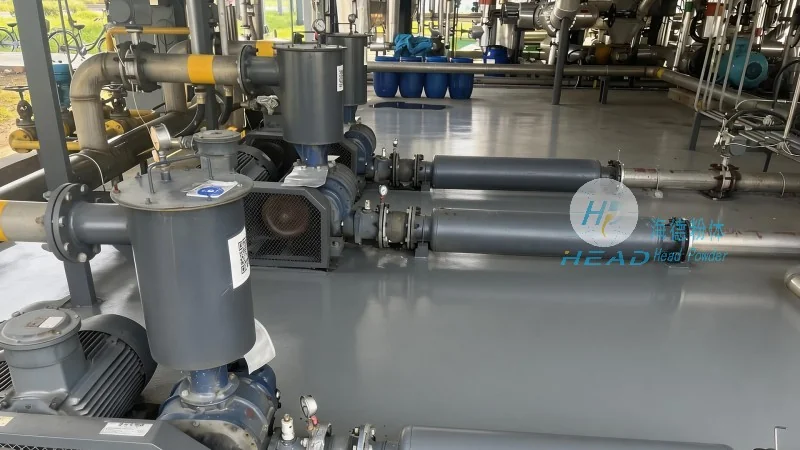
3. Sea Transportation
Sea transport is typically used for international shipments of monosodium glutamate, particularly when dealing with large volumes and long distances. Containers are loaded onto cargo ships, and the product is transported across oceans. This method is economical for bulk shipments and is suitable for global distribution. However, it involves longer transit times and requires careful planning to manage the supply chain effectively. The use of secure containers and adherence to international shipping regulations is essential to ensure the safe delivery of MSG.
Factors Influencing the Choice of Transportation Method
The selection of the most suitable transportation method for monosodium glutamate depends on several factors. These include the distance between the origin and destination, the quantity of the product, the urgency of delivery, and the cost considerations. Additionally, regulatory requirements and the availability of infrastructure play a significant role in determining the appropriate mode of transport. Companies often evaluate these factors to optimize their logistics and ensure the efficient movement of their products.
Role of Shandong HeadPowder Engineering Co., Ltd. in Monosodium Glutamate Transportation

Shandong HeadPowder Engineering Co., Ltd., a leading company in the industry, specializes in the production and transportation of monosodium glutamate. With its headquarters in Shandong, China, the company leverages its expertise and infrastructure to provide reliable transport solutions. By utilizing a combination of road, rail, and sea transport, HeadPowder ensures that its clients receive high-quality monosodium glutamate in a timely manner. The company adheres to strict quality control measures and safety protocols to maintain the integrity of the product throughout the transportation process.
Conclusion
In conclusion, the transportation of monosodium glutamate involves various methods, each with its own advantages and considerations. The choice of method depends on multiple factors, including distance, quantity, and regulatory requirements. Companies like Shandong HeadPowder Engineering Co., Ltd. play a crucial role in ensuring the efficient and safe delivery of monosodium glutamate to meet the needs of the food industry. By understanding the different transport options and selecting the most appropriate method, businesses can optimize their logistics and maintain the quality of their products.

 Shandong Headpowder Engineering Co., Ltd.
 156-6277-7102(Quản lý Trương)
  0531-83386006
  Thành phố Tế Nam, Tỉnh Sơn Đông, Trung Quốc
Điện thoại
WeChatTư vấn
Lên đầu