Với hơn 10 năm kinh nghiệm về vận chuyển khí nén, Headpowder Sơn Đông cung cấp hệ thống, thiết bị và quạt gió toàn chuỗi, đảm nhận các dự án kỹ thuật bột trọn gói trên toàn quốc.
Desulfurization and dust removal processes in industrial facilities generate large volumes of ash that need to be transported efficiently and safely. The choice of transportation method depends on several factors, including the ash characteristics, plant layout, and environmental regulations. This article explores the common methods used for transporting desulfurization and dust removal ash, providing insights into the most effective solutions for industrial applications, with a focus on the expertise of Shandong HeadPowder Engineering Co., Ltd. based in China.
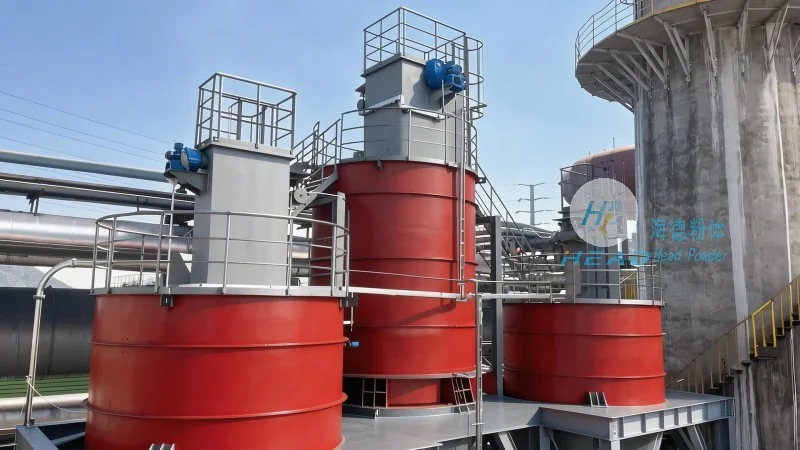
Overview of Ash Transportation Systems
Effective ash transportation is crucial for maintaining the operational efficiency of power plants and other industrial facilities. The primary goal is to move the ash from the collection point to the disposal or utilization site without causing environmental contamination or operational disruptions. Various technologies are employed to achieve this, each with its own advantages and limitations. Shandong HeadPowder Engineering Co., Ltd., a leading provider of industrial solutions, specializes in designing and implementing ash transportation systems tailored to the specific needs of clients.
Key Factors Influencing Transportation Method Selection
When selecting an ash transportation method, several key factors must be considered. These include the ash's moisture content, particle size distribution, and corrosiveness, as well as the distance and elevation changes between the source and destination. Additionally, the availability of space, budget constraints, and regulatory requirements play a significant role in determining the most suitable approach. For instance, in power plants, the ash generated from flue gas desulfurization (FGD) systems typically has a high moisture content and fine particle size, which can affect the choice of transportation equipment. The company's engineers evaluate these factors to recommend the most efficient and cost-effective solutions.
Common Transportation Methods for Desulfurization and Dust Removal Ash
Several methods are commonly used to transport desulfurization and dust removal ash, each tailored to specific operational needs. The most prevalent approaches include pneumatic conveying, hydraulic conveying, and mechanical conveying systems. Each method has distinct characteristics that make it suitable for different scenarios. The company offers comprehensive solutions covering all these methods, ensuring clients can choose the best fit for their operations.
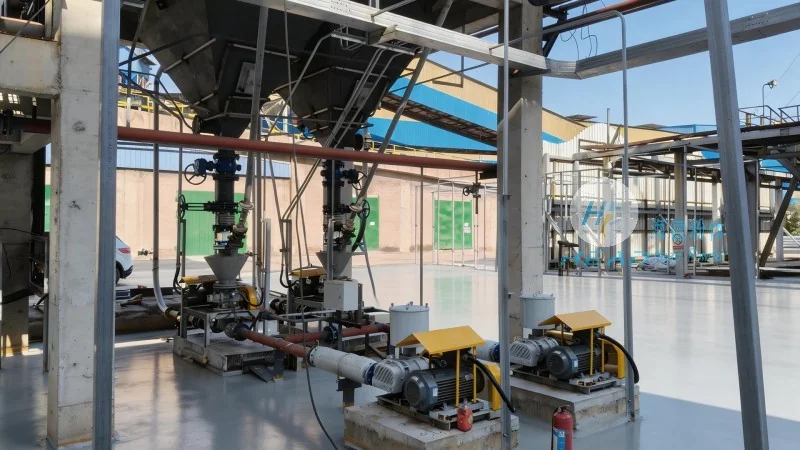
Pneumatic Conveying Systems
Pneumatic conveying uses air or other gases to transport dry or semi-dry ash particles through a pipeline. This method is particularly effective for fine-grained ash with low moisture content. There are two main types of pneumatic conveying systems: positive displacement and pressure dilute phase systems. Positive displacement systems use a pump to move the ash, while pressure dilute phase systems rely on compressed air to push the material. Pneumatic conveying offers advantages such as flexibility in layout, minimal space requirements, and the ability to transport ash over long distances. However, it may not be suitable for high-moisture or sticky ash, as this can lead to blockages and increased energy consumption. The company's experts assess the ash properties to determine if pneumatic conveying is appropriate and design the system accordingly.
Hydraulic Conveying Systems
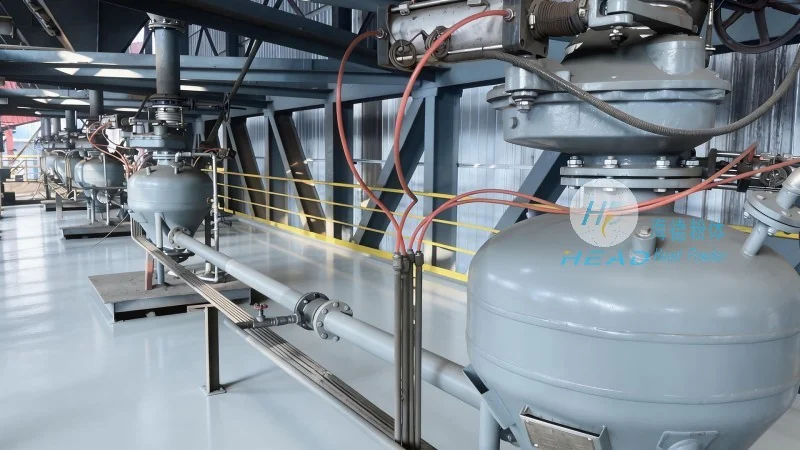
Hydraulic conveying, also known as slurry transport, involves mixing the ash with water to form a slurry, which is then pumped through pipelines. This method is ideal for transporting high-moisture ash with larger particle sizes. The slurry is typically pumped using centrifugal pumps, and the system requires a water treatment facility to recycle the water and remove contaminants. Hydraulic conveying systems are commonly used in power plants where the ash has a high moisture content, as it allows for efficient and continuous transport. However, the high water usage and the need for water treatment can increase operational costs and environmental impact. Shandong HeadPowder Engineering Co., Ltd. provides hydraulic systems that are designed to minimize water consumption and maximize recycling efficiency.
Mechanical Conveying Systems
Mechanical conveying systems utilize equipment such as belt conveyors, screw conveyors, and bucket elevators to transport ash. These systems are suitable for both dry and wet ash, and they can handle a wide range of particle sizes. Belt conveyors are commonly used for horizontal or slightly inclined transport, while screw conveyors are ideal for vertical or horizontal transport in confined spaces. Bucket elevators are used for vertical transport over significant heights. Mechanical conveying offers advantages such as low energy consumption, high capacity, and the ability to handle abrasive materials. However, these systems require regular maintenance and may have limitations in terms of layout flexibility and the ability to transport ash over long distances. The company's mechanical systems are built with durable materials to withstand harsh conditions and reduce maintenance needs.
Integration with Plant Operations
The selection of an ash transportation method should be integrated with the overall plant operations to ensure seamless coordination. For example, in power plants, the ash generated from FGD systems is often transported to a storage facility or a utilization plant. The chosen method must align with the plant's layout, the location of the disposal site, and the operational schedule. Additionally, the system should be designed to minimize downtime and maintenance, as any disruption in ash transport can impact the plant's performance and compliance with environmental regulations. Shandong HeadPowder Engineering Co., Ltd. works closely with clients to integrate the ash transportation system with their existing infrastructure, ensuring smooth operation.

 Shandong Headpowder Engineering Co., Ltd.
 156-6277-7102(Quản lý Trương)
  0531-83386006
  Thành phố Tế Nam, Tỉnh Sơn Đông, Trung Quốc
Điện thoại
WeChatTư vấn
Lên đầu