Với hơn 10 năm kinh nghiệm về vận chuyển khí nén, Headpowder Sơn Đông cung cấp hệ thống, thiết bị và quạt gió toàn chuỗi, đảm nhận các dự án kỹ thuật bột trọn gói trên toàn quốc.
When handling boron nitride (BN), selecting the right conveying method is crucial for ensuring efficiency, product integrity, and operational safety. Different applications and material characteristics require tailored solutions. This article provides a detailed comparison of common boron nitride conveying methods, focusing on their advantages and disadvantages to help industrial users make informed decisions.
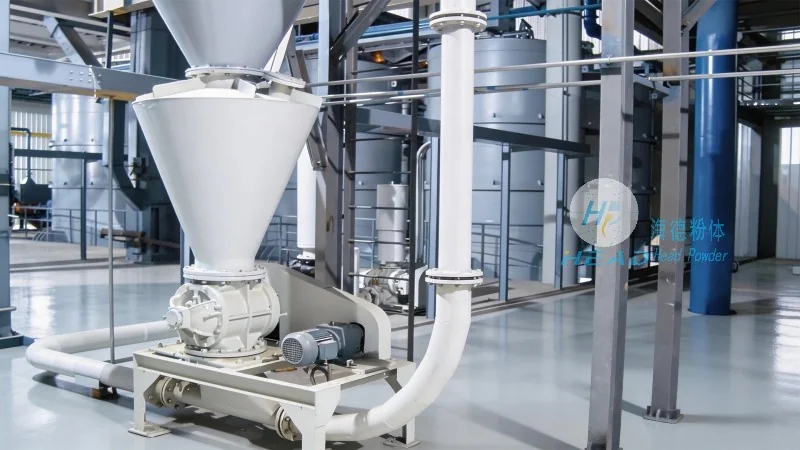
1. Vacuum Conveying System
Vacuum conveying is a widely used method for transporting fine powders like boron nitride, especially in applications where dust control and gentle handling are priorities. The system operates by creating a vacuum in a collection hopper, which draws the material through a hose or pipeline to a destination. This method offers several benefits, including low energy consumption, minimal material degradation, and effective dust containment. However, it has limitations, such as lower conveying distances compared to other methods and potential issues with clogging in long or complex pipelines.
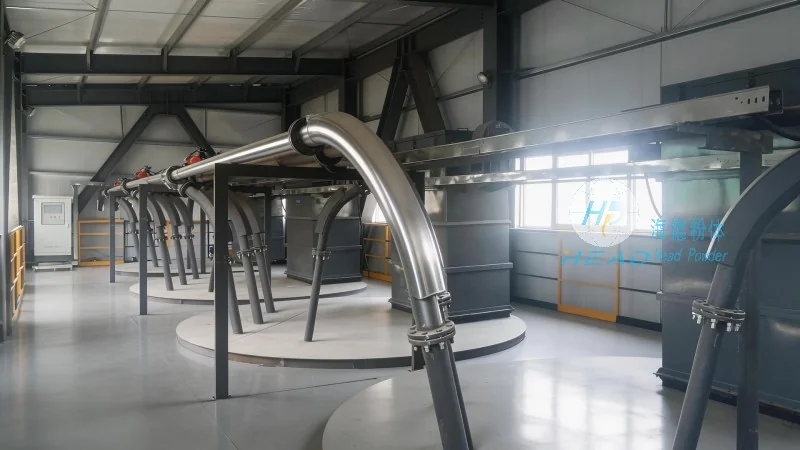
2. Pneumatic Conveying (Air-Lift or Pressure Type)
Pneumatic conveying uses compressed air to move boron nitride powder through a pipeline. There are two main types: pressure and vacuum. Pressure systems push material from a storage silo using compressed air, while vacuum systems draw material from a hopper. This method is suitable for longer distances and higher material volumes. Its advantages include high throughput, ability to handle abrasive materials, and flexibility in system design. The drawbacks include higher energy costs due to the need for compressed air, potential for material degradation if not properly controlled, and the risk of air leakage affecting system efficiency.
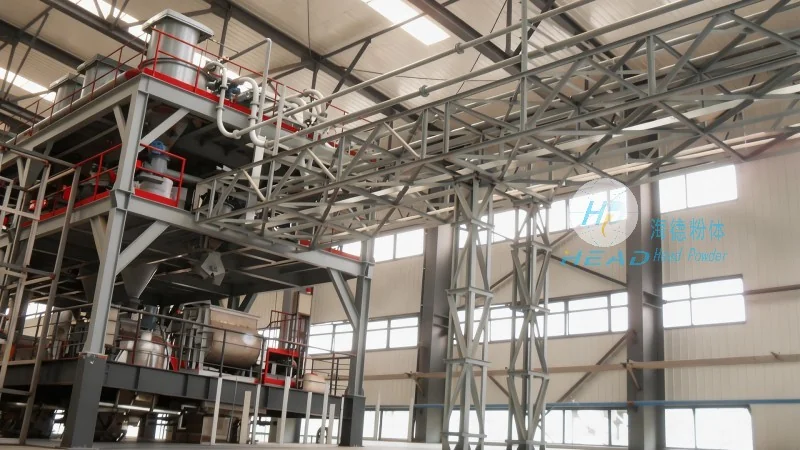
3. Screw Conveyors
Screw conveyors are mechanical devices that use a rotating screw to move boron nitride powder along a trough. They are commonly used for horizontal or slight incline transport and are particularly effective for bulk material handling. The primary advantages of screw conveyors include their simplicity, low maintenance requirements, and ability to handle a wide range of particle sizes. However, they have limitations, such as the risk of material bridging or clogging in the screw, which can lead to operational downtime. Additionally, they may not be suitable for very fine powders due to the potential for particle segregation or damage.
4. Belt Conveyors
Belt conveyors use a continuous belt to transport boron nitride, often in bulk form. They are ideal for long-distance transport and can handle large volumes of material. The advantages include high capacity, low cost per ton-mile, and ease of integration with other processing equipment. However, belt conveyors have drawbacks, including higher maintenance needs (e.g., belt replacement), potential for material spillage or contamination, and limited suitability for fine powders due to the risk of dust accumulation on the belt.
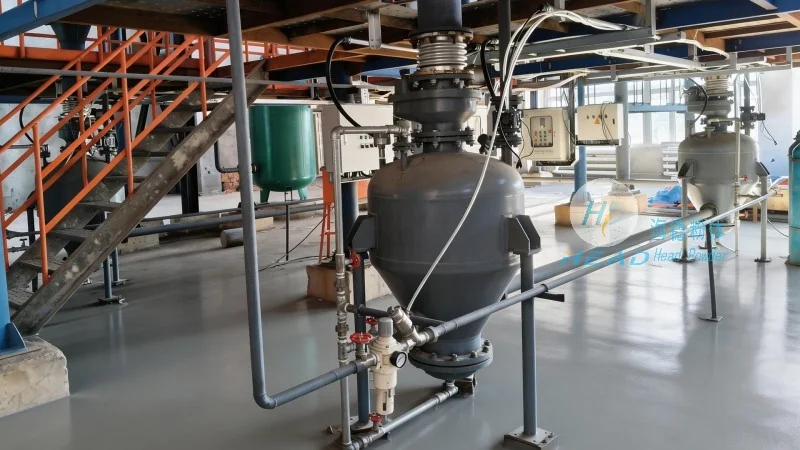
5. Comparison Summary
Each boron nitride conveying method has distinct characteristics that make it suitable for specific applications. Vacuum conveying excels in dust control and gentle handling but is limited by distance. Pneumatic systems offer high throughput and flexibility but require significant energy. Screw conveyors are simple and reliable for bulk transport but may face clogging issues. Belt conveyors provide high capacity for long distances but demand regular maintenance. Industrial users should evaluate factors such as material properties, conveying distance, required throughput, and operational environment to select the most appropriate method.

 Shandong Headpowder Engineering Co., Ltd.
 156-6277-7102(Quản lý Trương)
  0531-83386006
  Thành phố Tế Nam, Tỉnh Sơn Đông, Trung Quốc
Điện thoại
WeChatTư vấn
Lên đầu