Với hơn 10 năm kinh nghiệm về vận chuyển khí nén, Headpowder Sơn Đông cung cấp hệ thống, thiết bị và quạt gió toàn chuỗi, đảm nhận các dự án kỹ thuật bột trọn gói trên toàn quốc.
When it comes to the transportation of nickel sulfate, selecting the right method is crucial for ensuring efficiency, safety, and cost-effectiveness in industrial operations. Nickel sulfate, a key chemical in various industries including battery manufacturing, electroplating, and chemical synthesis, requires careful handling due to its corrosive nature and the need to maintain product integrity. The choice of transport method directly impacts the overall supply chain, from production to end-use applications. This article provides a detailed comparison of common nickel sulfate transport methods, highlighting their advantages and disadvantages to help industrial stakeholders make informed decisions.
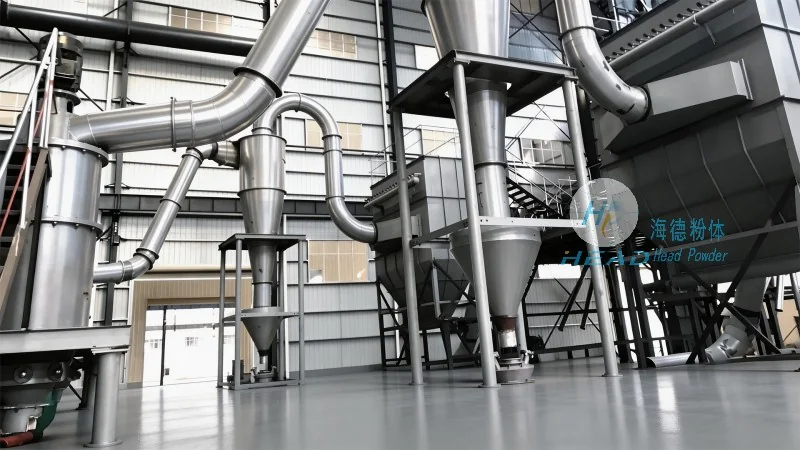
Overview of Nickel Sulfate and Its Transport Requirements
Nickel sulfate, typically in the form of aqueous solutions or concentrated liquids, is a highly reactive chemical that demands specialized handling during transport. Its properties, such as high conductivity, acidity, and potential for corrosion, necessitate the use of materials and equipment designed to withstand these challenges. The primary goal of any transport method is to ensure that the nickel sulfate remains stable, free from contamination, and delivered to the destination in optimal condition. This section outlines the key considerations for selecting a transport method, including cost, speed, and the specific needs of the receiving facility.
1. Pumping Systems: The Traditional and Versatile Option
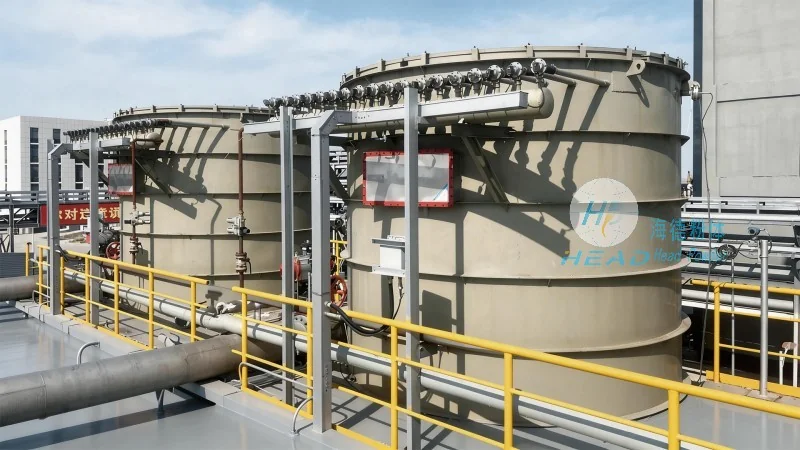
Pumping is one of the most common methods for transporting nickel sulfate, especially in industrial settings where large volumes are involved. This method involves using centrifugal or positive displacement pumps to move the liquid through pipelines. The advantages of pumping systems include high efficiency in moving large volumes over long distances, reduced labor costs compared to manual handling, and the ability to integrate with existing industrial infrastructure. For example, in battery production facilities, nickel sulfate is often pumped from storage tanks to processing lines, ensuring a continuous supply. However, the disadvantages of pumping systems include the need for regular maintenance to prevent equipment failure, potential for leaks or spills if the system is not properly sealed, and higher energy consumption compared to other methods. Additionally, the initial investment for pump systems can be significant, making them less suitable for small-scale operations or those with limited budgets. For instance, HeadPowder, a leading provider of chemical transport solutions, utilizes advanced pumping systems to ensure the safe and efficient transport of nickel sulfate for its clients. The company's expertise in handling corrosive chemicals has enabled it to develop customized pump systems that meet the specific needs of various industrial applications.
2. Pipeline Transport: Efficiency and Scalability
Pipeline transport is another widely used method for moving nickel sulfate, particularly in regions with established industrial networks. This method involves constructing underground or above-ground pipelines to connect production facilities with distribution centers or end-users. The advantages of pipeline transport include high capacity, minimal labor requirements, and the ability to transport large volumes continuously without interruption. It also reduces the risk of spills or accidents compared to road or rail transport, as the liquid is contained within a sealed system. For example, in the chemical industry, pipelines are often used to transport nickel sulfate from manufacturing plants to nearby processing facilities, ensuring a steady supply. However, the disadvantages of pipeline transport include high initial costs for pipeline construction and maintenance, limited flexibility in route changes, and the need for specialized equipment to monitor and maintain the system. Furthermore, pipeline transport is not suitable for short-distance or irregular deliveries, as the infrastructure is fixed and cannot be easily reconfigured.
3. Tank Truck Transport: Flexibility and Accessibility
Tank truck transport is a popular method for transporting nickel sulfate over medium to long distances, especially when direct pipeline access is not available. This method involves using specialized tank trucks equipped with insulated and corrosion-resistant tanks to carry the liquid. The advantages of tank truck transport include flexibility in route planning, the ability to deliver to remote or off-site locations, and the capacity to transport large volumes in a single trip. For example, in the battery manufacturing industry, tank trucks are often used to transport nickel sulfate from production plants to battery assembly facilities located in different regions. However, the disadvantages of tank truck transport include higher fuel costs and emissions compared to other methods, potential for traffic delays or accidents during transit, and the need for regular inspections to ensure the tank's integrity. Additionally, tank truck transport may be subject to regulatory restrictions on load capacity and route restrictions, which can impact delivery times and costs.
4. Rail Transport: Cost-Effective for Bulk Quantities
Rail transport is an economical option for transporting large quantities of nickel sulfate over long distances, particularly when the volume of the shipment is high. This method involves loading the nickel sulfate into specialized railcars, such as tank cars or covered wagons, and moving it via railway networks. The advantages of rail transport include low transportation costs per unit compared to road or air transport, the ability to handle large volumes efficiently, and reduced traffic congestion on roads. For instance, in the chemical industry, rail transport is often used to move nickel sulfate from major production centers to distribution hubs or end-users located in distant regions. However, the disadvantages of rail transport include longer transit times compared to road transport, limited flexibility in route changes, and the need for specialized loading and unloading equipment at rail terminals. Furthermore, rail transport may be subject to weather-related delays or disruptions, which can impact delivery schedules.

 Shandong Headpowder Engineering Co., Ltd.
 156-6277-7102(Quản lý Trương)
  0531-83386006
  Thành phố Tế Nam, Tỉnh Sơn Đông, Trung Quốc
Điện thoại
WeChatTư vấn
Lên đầu