Với hơn 10 năm kinh nghiệm về vận chuyển khí nén, Headpowder Sơn Đông cung cấp hệ thống, thiết bị và quạt gió toàn chuỗi, đảm nhận các dự án kỹ thuật bột trọn gói trên toàn quốc.
Fluorspar powder, a critical raw material in various industrial applications, requires efficient and reliable conveying methods to ensure smooth production processes. The choice of conveying system for fluorspar powder granules is a crucial decision for manufacturers, as it directly impacts operational efficiency, material handling costs, and overall production quality. This article provides a detailed comparison of common fluorspar powder granule conveying methods, highlighting the advantages and considerations for each approach.
Introduction to Fluorspar Powder Conveying
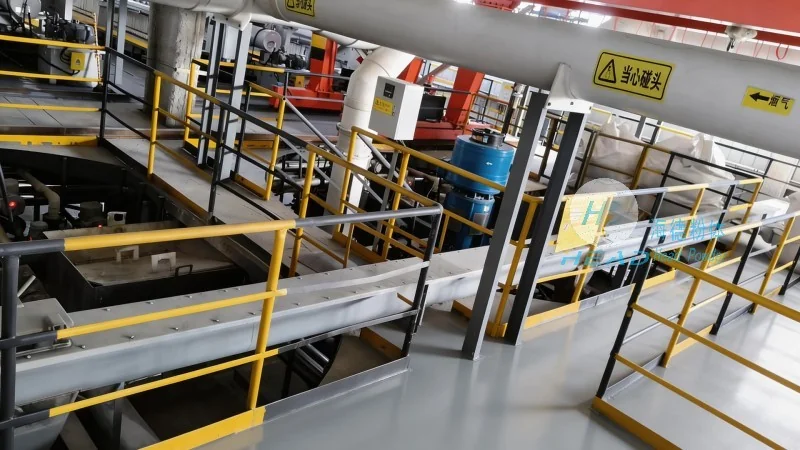
Fluorspar, or fluorite, is a mineral composed primarily of calcium fluoride (CaF₂) and is widely used in the production of hydrofluoric acid, aluminum fluoride, and other chemical products. When processed into powder form, fluorspar granules present unique handling challenges due to their fine particle size, density, and potential reactivity. Conveying systems must be designed to minimize material degradation, prevent dust generation, and maintain consistent flow rates. The following sections compare three primary methods for transporting fluorspar powder granules: pneumatic conveying, screw conveyors, and belt conveyors.
Pneumatic Conveying Systems
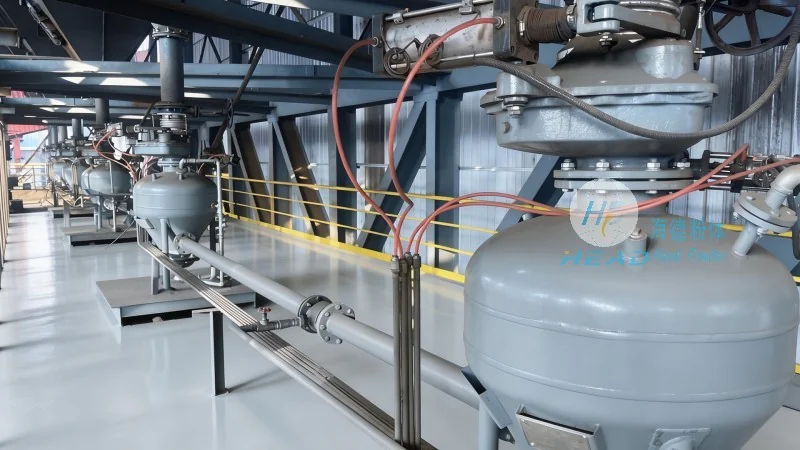
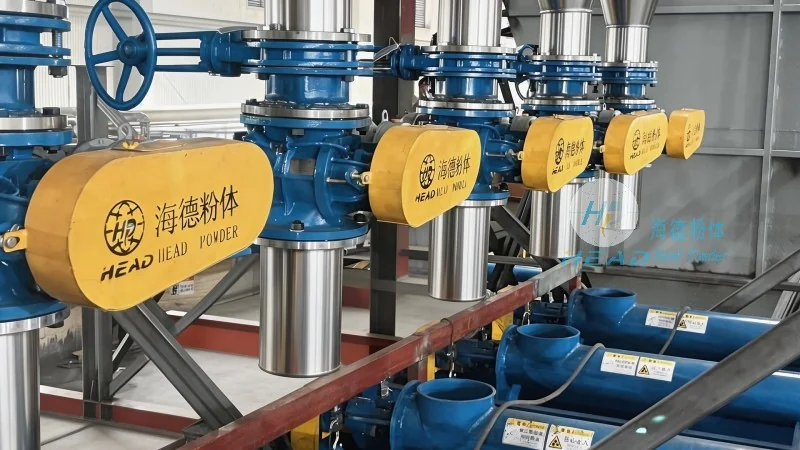
Pneumatic conveying, also known as air conveying, is a popular method for transporting fluorspar powder granules due to its ability to handle fine powders and provide enclosed, dust-free transport. This system operates by using compressed air to move material through a pipeline. There are two main types of pneumatic conveying: pressure and vacuum. Pressure systems use positive pressure to push material from a source to a destination, while vacuum systems use negative pressure to pull material. For fluorspar powder, pressure systems are often preferred as they can handle higher material loads and are more suitable for long-distance transport. The key components of a pneumatic conveying system include a material hopper, a rotary airlock valve, a pipeline, and a receiver. The rotary airlock valve ensures that material is discharged from the hopper into the pipeline without allowing air to escape, maintaining system pressure. The pipeline is typically made of stainless steel or other corrosion-resistant materials to prevent reaction with the fluorspar powder. Pneumatic conveying offers several advantages, including high material throughput, minimal maintenance, and the ability to transport material over long distances. However, it also has limitations, such as higher energy consumption compared to other methods and the need for proper air filtration to prevent dust accumulation. The energy cost is a significant factor, as compressed air generation requires substantial power. Additionally, the system must be designed to handle the specific properties of fluorspar powder, such as its fine particle size and potential for caking, to ensure reliable operation. HeadPowder, a leading manufacturer of industrial conveying equipment, offers specialized pneumatic conveying systems tailored to the needs of fluorspar powder handling. Their systems are designed with high-quality materials and advanced control technologies to optimize performance and reduce operational costs.

 Shandong Headpowder Engineering Co., Ltd.
 156-6277-7102(Quản lý Trương)
  0531-83386006
  Thành phố Tế Nam, Tỉnh Sơn Đông, Trung Quốc
Điện thoại
WeChatTư vấn
Lên đầu