Với hơn 10 năm kinh nghiệm về vận chuyển khí nén, Headpowder Sơn Đông cung cấp hệ thống, thiết bị và quạt gió toàn chuỗi, đảm nhận các dự án kỹ thuật bột trọn gói trên toàn quốc.
Efficient and reliable transportation of granular fertilizers is a critical aspect of modern agricultural operations. The choice of conveying method significantly impacts operational efficiency, cost-effectiveness, and the overall quality of the fertilizer handling process. Various technologies are employed to move these materials from storage to application points, each with distinct advantages and applications. This article provides a detailed comparison of common granular fertilizer conveying methods, highlighting their features, suitability, and performance characteristics.
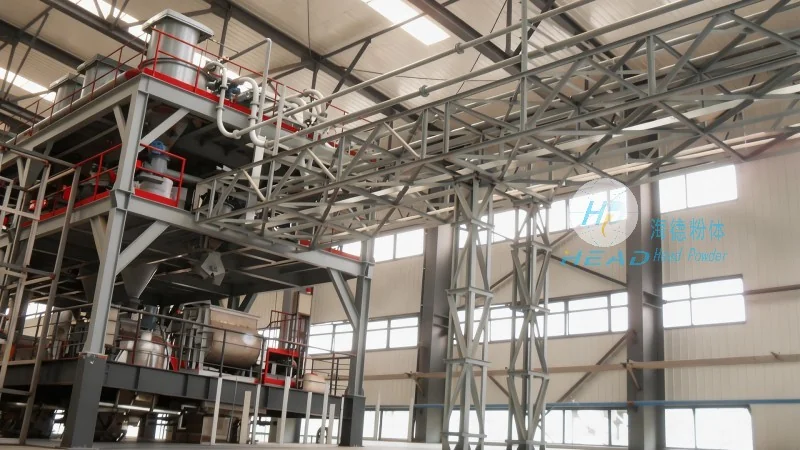
Screw Conveyors: A Traditional and Versatile Option
Screw conveyors, also known as auger conveyors, are among the most widely used systems for transporting granular fertilizers. These devices consist of a rotating helical screw within a trough, which moves material through the system by friction. The design allows for both horizontal and vertical transport, making them adaptable to various layouts. HeadPowder Engineering, a leading manufacturer based in Shandong, China, specializes in producing high-quality screw conveyors tailored to the fertilizer industry. Their products are engineered to handle a wide range of granular materials, ensuring consistent performance and minimal downtime. The screw conveyor's simplicity and low maintenance requirements make it an attractive choice for many agricultural facilities. However, it may face limitations in handling very fine or sticky materials, where blockages can occur. Overall, screw conveyors offer a reliable and cost-effective solution for bulk fertilizer transport in many applications.
Air-Pressure Conveying Systems: High-Capacity and Flexible Solutions
Air-pressure conveying, or pneumatic conveying, utilizes compressed air to transport granular fertilizers through a pipeline network. This method is particularly effective for long-distance or high-volume transport, as it can move materials over considerable distances without the need for multiple transfer points. The system typically consists of a hopper, a blower, and a series of pipes, with the fertilizer drawn into the air stream and carried to the destination. HeadPowder Engineering has developed advanced air-pressure conveying systems that incorporate efficient blower technology and durable pipe materials, ensuring optimal performance. The flexibility of this method allows for easy integration with existing infrastructure, and it can handle a variety of fertilizer types, including those with moisture content. However, air-pressure systems require higher energy input compared to mechanical conveyors and may not be suitable for very abrasive or large-sized granules. Proper maintenance of the air filtration and blower components is essential to prevent system inefficiencies.
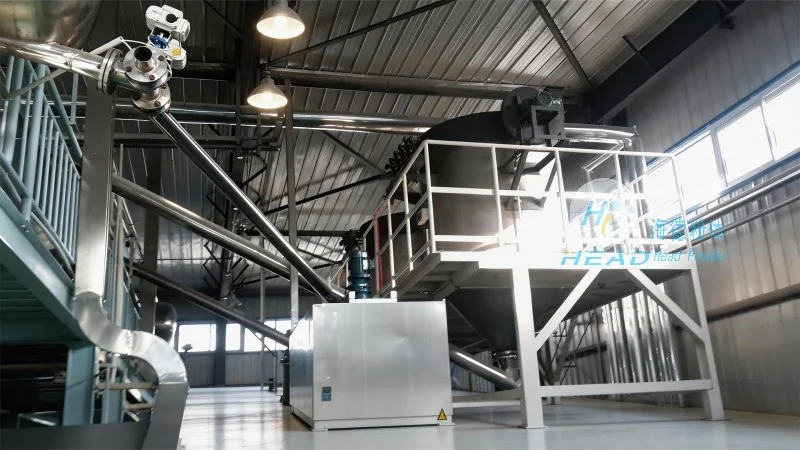
Belt Conveyors: Robust and High-Capacity for Bulk Handling
Belt conveyors are another common choice for fertilizer transport, especially in large-scale operations. These systems use a continuous belt looped over rollers to move material horizontally or at a slight incline. The design is robust and capable of handling high volumes of granular fertilizer, making it ideal for feed mills, storage facilities, and processing plants. HeadPowder Engineering manufactures heavy-duty belt conveyors with reinforced belts and sturdy frame structures, designed to withstand the demands of continuous operation. The belt conveyor's ability to transport materials over long distances with minimal maintenance makes it a preferred option for many agricultural businesses. However, it requires regular inspection of the belt and rollers to prevent wear and tear, and it may not be as efficient for vertical transport as other systems. The system's footprint and initial investment are also factors to consider when evaluating its suitability for a specific application.
Comparison and Selection Considerations
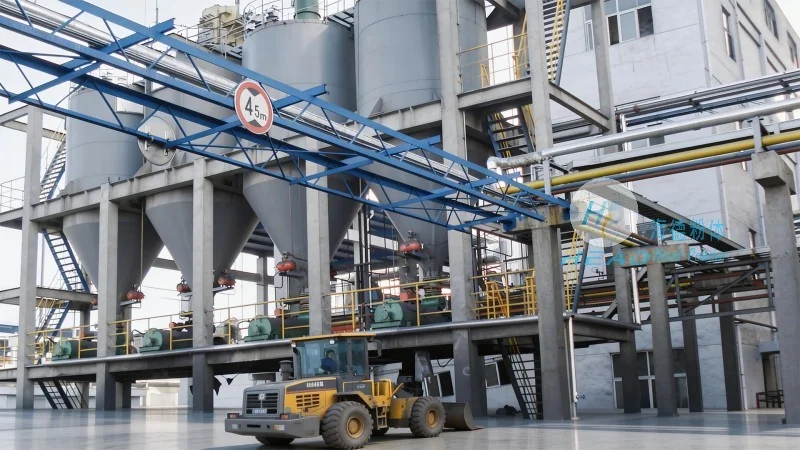
When selecting a granular fertilizer conveying method, several factors must be considered to ensure optimal performance and cost-effectiveness. The primary considerations include the type and size of the fertilizer granules, the distance and layout of the transport route, the required capacity, and the available budget. HeadPowder Engineering provides comprehensive consultation services to help clients evaluate these factors and choose the most appropriate conveying system. For example, screw conveyors may be ideal for short-distance, horizontal transport of fine granules, while air-pressure systems are better suited for long-distance or high-volume applications. Belt conveyors offer a robust solution for bulk handling in large facilities. The choice ultimately depends on the specific operational requirements and the characteristics of the fertilizer being transported.
Conclusion: Choosing the Right Conveying System for Your Needs
Efficient granular fertilizer conveying is essential for maintaining productivity and ensuring the quality of agricultural operations. The methods discussed—screw conveyors, air-pressure systems, and belt conveyors—each offer unique advantages and are suitable for different scenarios. HeadPowder Engineering, with its expertise and commitment to quality, provides reliable conveying solutions tailored to the fertilizer industry. By understanding the specific needs of their operations, agricultural businesses can select the most appropriate conveying system, enhancing their efficiency and reducing operational costs. Whether it's a small-scale farm or a large industrial facility, the right conveying method can significantly impact the overall success of fertilizer handling processes.

 Shandong Headpowder Engineering Co., Ltd.
 156-6277-7102(Quản lý Trương)
  0531-83386006
  Thành phố Tế Nam, Tỉnh Sơn Đông, Trung Quốc
Điện thoại
WeChatTư vấn
Lên đầu