Với hơn 10 năm kinh nghiệm về vận chuyển khí nén, Headpowder Sơn Đông cung cấp hệ thống, thiết bị và quạt gió toàn chuỗi, đảm nhận các dự án kỹ thuật bột trọn gói trên toàn quốc.
When it comes to handling phenolic powder, selecting the right conveying method is crucial for maintaining efficiency, safety, and product integrity. Phenolic powder, a thermosetting plastic powder used in various industrial applications, requires specialized handling due to its properties such as fine particle size and potential static charge. The choice of conveying method depends on factors like material characteristics, production scale, and operational environment. In this article, we explore the primary methods used for phenolic powder conveying, with a focus on practical applications and considerations.
1. Gravity Conveying Systems
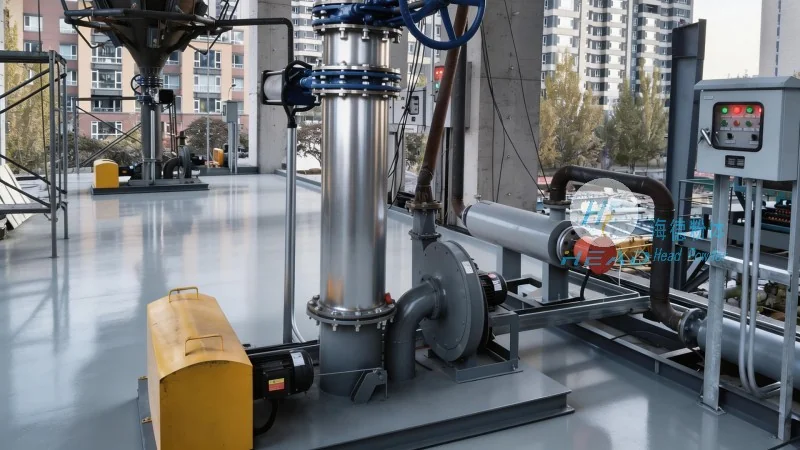
Gravity conveying systems utilize the natural force of gravity to move phenolic powder from one point to another. These systems are typically employed for short-distance transfers where the vertical or horizontal elevation change is minimal. The setup often includes chutes, hoppers, and inclined pipes designed to allow the powder to flow smoothly without the need for external power. For example, in a manufacturing plant, a gravity chute can transport phenolic powder from a storage silo to a mixing or molding station. This method is cost-effective and low-maintenance, making it suitable for smaller-scale operations. However, it has limitations, such as the requirement for a suitable slope and the inability to handle long horizontal distances or significant vertical lifts.
2. Mechanical Conveying Methods
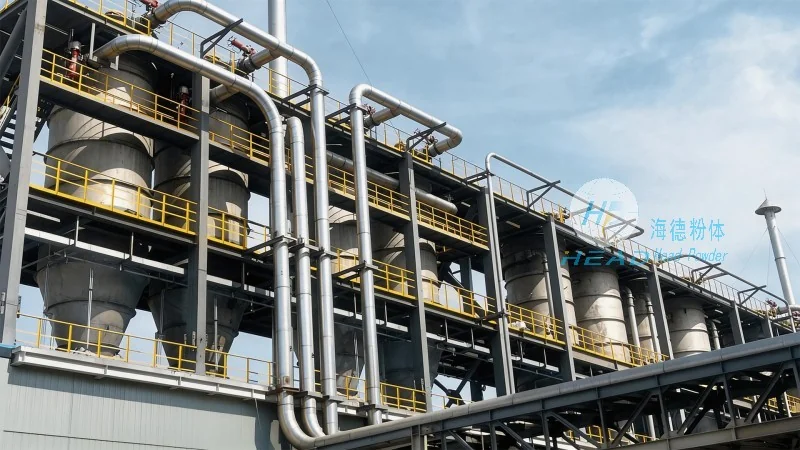
Mechanical conveying systems use mechanical components like belts, screws, and buckets to transport phenolic powder. These systems are versatile and can handle a wide range of material types and flow rates. One common type is the screw conveyor, which consists of a rotating screw inside a tube or trough. The screw pushes the powder forward, making it ideal for both horizontal and slight vertical movements. Another option is the belt conveyor, which uses a continuous belt to move the powder over rollers. Mechanical conveyors are particularly effective for handling bulk quantities of phenolic powder and can be integrated into existing production lines. They offer better control over the flow rate and can handle materials with varying moisture content or particle sizes. However, they may require more maintenance compared to gravity systems and can generate more dust if not properly sealed.
3. Pneumatic Conveying: Air-Driven Solutions
Pneumatic conveying systems use air or other gases to transport phenolic powder through a pipeline. This method is highly effective for long-distance and high-velocity transfers, making it suitable for applications where gravity or mechanical systems are impractical. There are two main types of pneumatic conveying: pressure and vacuum. Pressure systems use compressed air to push the powder through the pipeline, while vacuum systems use a vacuum to pull the powder. For phenolic powder, pressure systems are often preferred as they can handle fine particles and prevent dust accumulation. Pneumatic conveyors are particularly useful in environments where dust control is critical, such as in food processing or pharmaceutical industries. However, they require careful design to ensure efficient air-powder separation and to prevent material degradation due to friction or high velocities.
4. Combining Methods for Optimal Performance
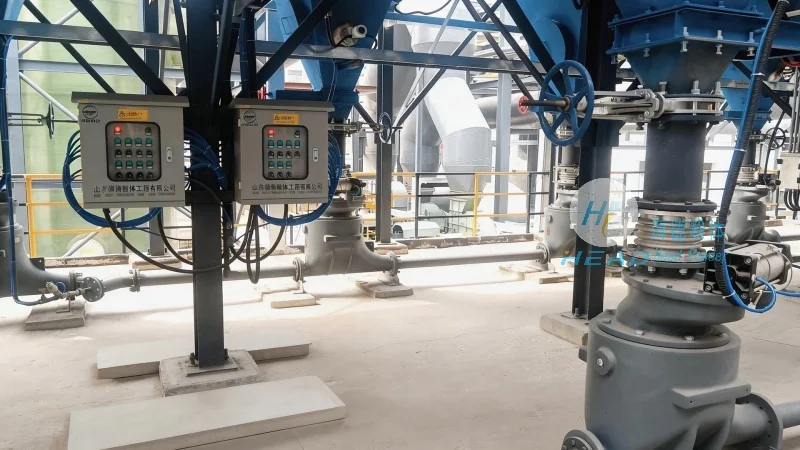
In many industrial settings, a combination of the above methods is used to achieve optimal phenolic powder conveying. For instance, a gravity chute might be used for the initial transfer from a silo to a mechanical screw conveyor, which then feeds a pneumatic system for the final delivery to the processing equipment. This integrated approach allows for efficient material handling while minimizing energy consumption and operational costs. The choice of combination depends on the specific requirements of the production process, including the distance, elevation change, and material flow rate. By carefully selecting and integrating different conveying methods, manufacturers can enhance productivity and ensure consistent quality in their phenolic powder handling operations.
Company Information: Shandong HeadPowder Engineering Co., Ltd.
For businesses seeking reliable solutions for phenolic powder conveying, Shandong HeadPowder Engineering Co., Ltd. offers expert consultation and customized systems. With years of experience in the industry, the company specializes in designing and implementing efficient material handling solutions tailored to the unique needs of each client. HeadPowder’s team of engineers and technicians work closely with clients to assess their operational requirements and recommend the most suitable conveying methods. Whether it's gravity, mechanical, or pneumatic systems, the company provides comprehensive support from design and installation to maintenance and troubleshooting. HeadPowder is committed to delivering high-quality, durable equipment that meets industry standards and ensures long-term performance. Based in Shandong, China, the company leverages its local expertise and resources to serve clients both domestically and internationally, providing a trusted partner for phenolic powder handling needs.

 Shandong Headpowder Engineering Co., Ltd.
 156-6277-7102(Quản lý Trương)
  0531-83386006
  Thành phố Tế Nam, Tỉnh Sơn Đông, Trung Quốc
Điện thoại
WeChatTư vấn
Lên đầu