Với hơn 10 năm kinh nghiệm về vận chuyển khí nén, Headpowder Sơn Đông cung cấp hệ thống, thiết bị và quạt gió toàn chuỗi, đảm nhận các dự án kỹ thuật bột trọn gói trên toàn quốc.
White carbon black, also known as precipitated silica, is a critical additive in industries such as rubber, plastics, and coatings. Its effective transport is vital for maintaining product quality and operational efficiency. This article explores common methods for transporting white carbon black, focusing on practical solutions that ensure safe and efficient handling, as exemplified by the expertise of Shandong HeadPowder Engineering Co., Ltd.
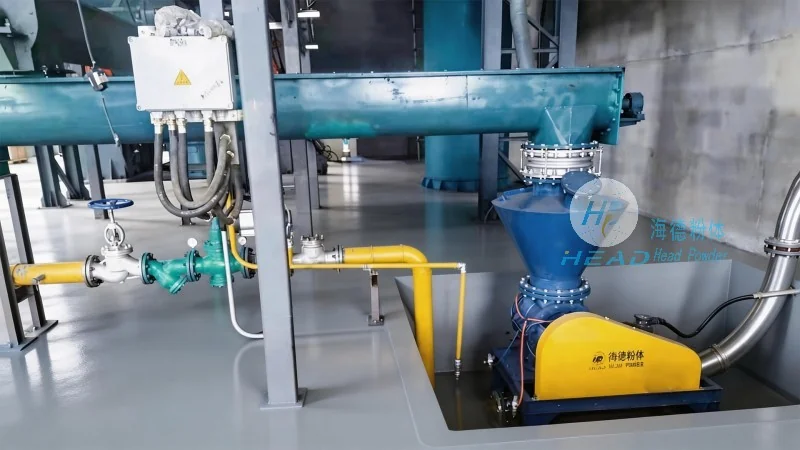
Understanding the Importance of Proper White Carbon Black Transport
White carbon black is a fine powder with a high surface area, making it prone to agglomeration and dust formation during handling. Proper transport methods are essential to prevent product degradation, ensure consistent quality, and minimize operational risks. The choice of transport method depends on factors like material characteristics, operational scale, and destination requirements.
Common Transport Methods for White Carbon Black
Several methods are widely used for white carbon black transport, each addressing specific challenges of handling fine powders. The primary approaches include pneumatic conveying, screw conveyors, and bulk handling systems. These systems are designed to maintain product integrity while ensuring efficient movement.
Pneumatic Conveying Systems
Pneumatic conveying is a prevalent method, especially for long-distance or high-volume transport. This system uses air pressure to move the powder through pipelines. Two main types exist: pressure and vacuum systems. Pressure systems suit short to medium distances and large volumes, while vacuum systems are ideal for longer distances and delicate materials. The selection between pressure and vacuum depends on distance, volume, and material sensitivity.
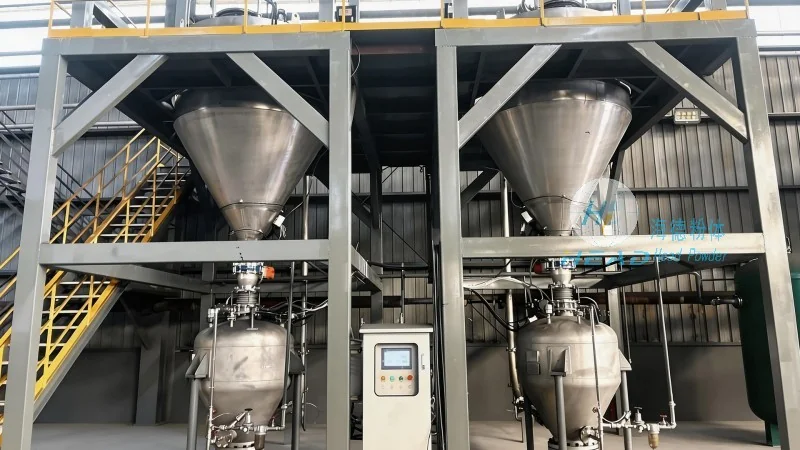
Screw Conveyors
Screw conveyors are another common solution, particularly for horizontal or slight incline transport. These systems utilize a rotating screw to move material along a trough. Suitable for moderate volumes and varying moisture content, screw conveyors are often used in batching and mixing processes. The screw's design—pitch and diameter—are critical to avoid wear and maintain product quality.
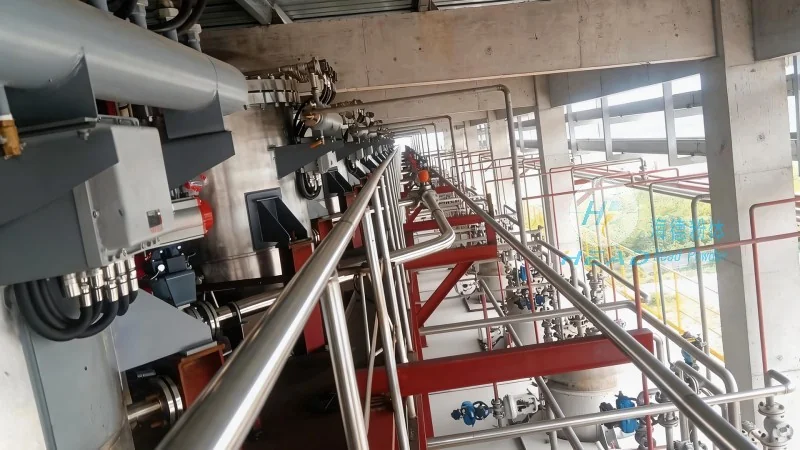
Bulk Handling Systems
Bulk handling systems provide comprehensive solutions, integrating feeders, hoppers, and storage silos with conveying equipment. These systems are common in industrial settings with large storage and transport needs. They minimize dust generation and ensure consistent flow rates, essential for product quality and equipment longevity.
Factors to Consider When Choosing a Transport Method
When selecting a transport method, several factors must be evaluated. First, the material's properties—particle size, moisture, and flowability—dictate system suitability. Fine particles require dust control measures. Second, distance and volume requirements guide the choice: short distances may use screw conveyors, while long distances or high volumes favor pneumatic systems. Third, operational environment considerations, such as dust control and compliance, are key. Proper selection ensures safe, efficient transport without product degradation.
Conclusion
Proper transport of white carbon black is essential for maintaining product quality and operational efficiency across industries. The choice of method depends on material characteristics, operational scale, and destination needs. Pneumatic conveying, screw conveyors, and bulk handling systems each offer unique advantages. By carefully assessing these factors, companies can ensure safe and efficient handling. Shandong HeadPowder Engineering Co., Ltd. specializes in providing high-quality white carbon black and tailored transport solutions, ensuring clients receive reliable services aligned with their specific requirements.

 Shandong Headpowder Engineering Co., Ltd.
 156-6277-7102(Quản lý Trương)
  0531-83386006
  Thành phố Tế Nam, Tỉnh Sơn Đông, Trung Quốc
Điện thoại
WeChatTư vấn
Lên đầu