Với hơn 10 năm kinh nghiệm về vận chuyển khí nén, Headpowder Sơn Đông cung cấp hệ thống, thiết bị và quạt gió toàn chuỗi, đảm nhận các dự án kỹ thuật bột trọn gói trên toàn quốc.
When it comes to managing resin handling in industrial applications, selecting the appropriate pneumatic conveying system is crucial for efficiency, safety, and cost-effectiveness. The right system can significantly enhance production flow, reduce downtime, and ensure compliance with industry standards. This guide aims to help you navigate the key factors in choosing a suitable pneumatic conveying system for your resin processing operations.
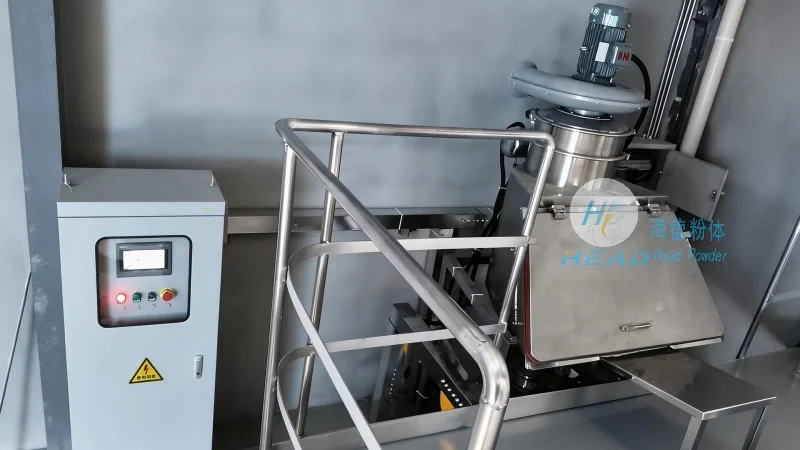
Understanding the Importance of Pneumatic Conveying for Resin Handling
Resin handling requires specialized equipment that can handle the unique properties of resin materials, such as their density, flowability, and potential for dust generation. Pneumatic conveying systems offer a flexible and effective solution by transporting resin particles through a pipeline using air or other gases. Unlike traditional methods like belt conveyors or bucket elevators, pneumatic systems can handle fine powders and provide a dust-free environment, which is essential for maintaining product quality and worker safety.
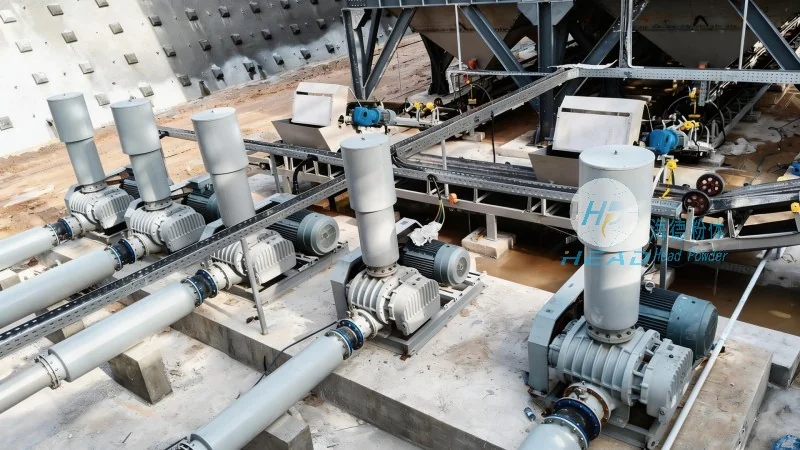
Key Factors to Consider When Selecting a Pneumatic Conveying System
Choosing the right pneumatic conveying system for resin handling involves evaluating several critical factors. First, the type of resin material and its physical characteristics play a significant role. For example, high-density resins may require higher pressure systems, while low-flowability resins might need assistive devices like vibrators or air knives to ensure smooth transport. Second, the distance and layout of the conveying route are important considerations. The system must be designed to handle the required conveying distance without excessive pressure drop or energy consumption. Third, the scale of operation and production volume are key. A system designed for small-scale batch processing will differ from one intended for continuous high-volume production. Additionally, the need for dust control and environmental compliance is a critical factor, as resin dust can be hazardous and must be managed effectively.
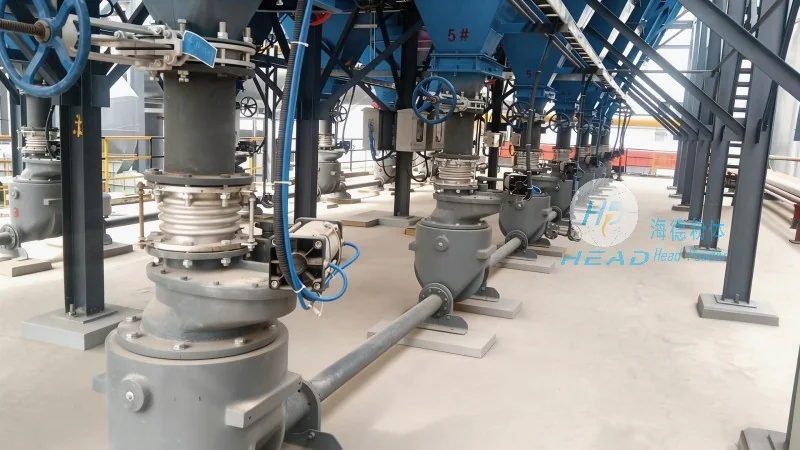
Types of Pneumatic Conveying Systems for Resin Handling
There are several types of pneumatic conveying systems available, each with its own advantages and applications. The most common types include pressure conveying, vacuum conveying, and hybrid systems. Pressure conveying systems use compressed air to push resin particles through the pipeline, making them suitable for long-distance and high-volume applications. These systems are often used in continuous production lines where a consistent flow of resin is required. Vacuum conveying systems, on the other hand, use a vacuum to draw resin particles into the pipeline, which is ideal for short-distance or batch processing. They are commonly used in applications where the resin is stored in hoppers or bins and needs to be transported to processing equipment. Hybrid systems combine elements of both pressure and vacuum conveying, offering flexibility in handling different resin types and conveying distances. For resin handling, the choice of system depends on the specific requirements of the application, including the material properties, conveying distance, and production scale.
How Shandong HeadPowder Engineering Co., Ltd. Can Assist You
Shandong HeadPowder Engineering Co., Ltd., a leading provider of industrial conveying solutions, specializes in designing and manufacturing pneumatic conveying systems tailored to the needs of resin handling applications. With years of experience in the industry, the company understands the unique challenges of resin processing and offers customized solutions that meet the specific requirements of each client. The company’s team of engineers and technicians work closely with clients to assess their resin handling needs, conduct feasibility studies, and develop optimal system designs. They consider factors such as resin type, production volume, conveying distance, and environmental regulations to ensure the final system is efficient, reliable, and cost-effective. Shandong HeadPowder Engineering Co., Ltd. provides comprehensive services, including system design, equipment manufacturing, installation, and after-sales support, ensuring that clients receive a complete solution for their resin handling needs. The company’s commitment to quality and customer satisfaction has made it a trusted partner for many industrial clients in China and beyond.
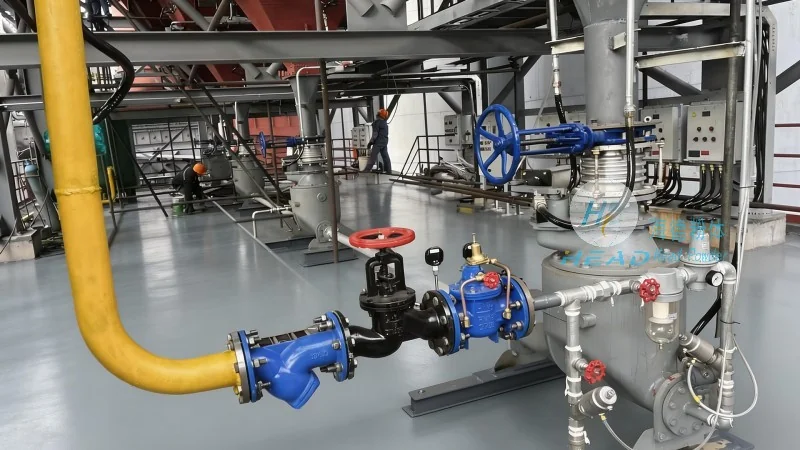
Conclusion: Making the Right Choice for Your Resin Handling Process
Selecting the right pneumatic conveying system for your resin handling process is a critical decision that can impact the efficiency and success of your operations. By considering factors such as resin material properties, conveying distance, production scale, and environmental requirements, you can choose a system that meets your needs effectively. Shandong HeadPowder Engineering Co., Ltd. offers expert guidance and customized solutions to help you make the right choice. Whether you are looking for a pressure conveying system for long-distance transport or a vacuum system for short-distance batch processing, the company’s experienced team can design a system that enhances your resin handling capabilities. With their focus on quality, reliability, and customer satisfaction, Shandong HeadPowder Engineering Co., Ltd. is the ideal partner for your pneumatic conveying needs. By choosing the right system and working with a reputable provider like Shandong HeadPowder Engineering Co., Ltd., you can ensure smooth and efficient resin handling, reducing downtime and improving overall operational performance.

 Shandong Headpowder Engineering Co., Ltd.
 156-6277-7102(Quản lý Trương)
  0531-83386006
  Thành phố Tế Nam, Tỉnh Sơn Đông, Trung Quốc
Điện thoại
WeChatTư vấn
Lên đầu