Với hơn 10 năm kinh nghiệm về vận chuyển khí nén, Headpowder Sơn Đông cung cấp hệ thống, thiết bị và quạt gió toàn chuỗi, đảm nhận các dự án kỹ thuật bột trọn gói trên toàn quốc.
When it comes to transporting cement particles, selecting the right method is crucial for efficiency and reliability in industrial operations. Various techniques have been developed to handle the unique properties of cement, such as its fine particle size, cohesive nature, and varying moisture content. Understanding the available options allows businesses to optimize their material handling processes, reduce downtime, and enhance overall productivity.
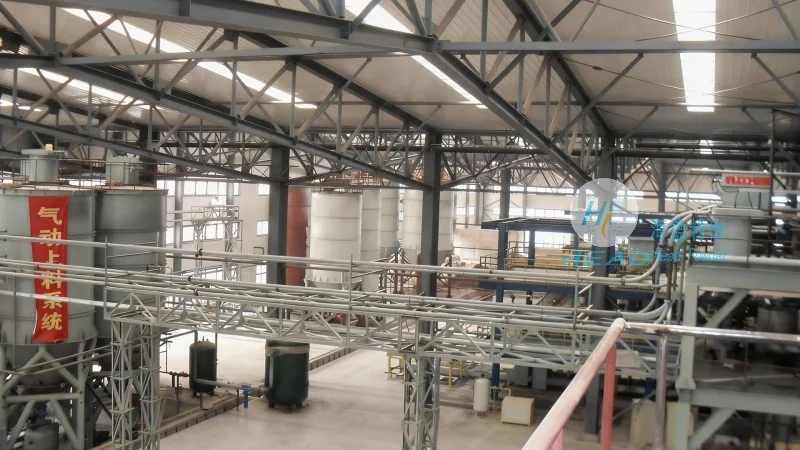
Key Considerations for Cement Particle Conveying
Before diving into specific methods, it's essential to consider the factors that influence the choice of a conveying system. These include the volume of material to be moved, the distance over which it needs to be transported, the required speed, and the environmental conditions. Additionally, the physical properties of the cement, like its flowability and tendency to clog, play a significant role in determining the most suitable approach. By evaluating these aspects, companies can make informed decisions that align with their operational needs.
Common Methods for Cement Particle Conveying
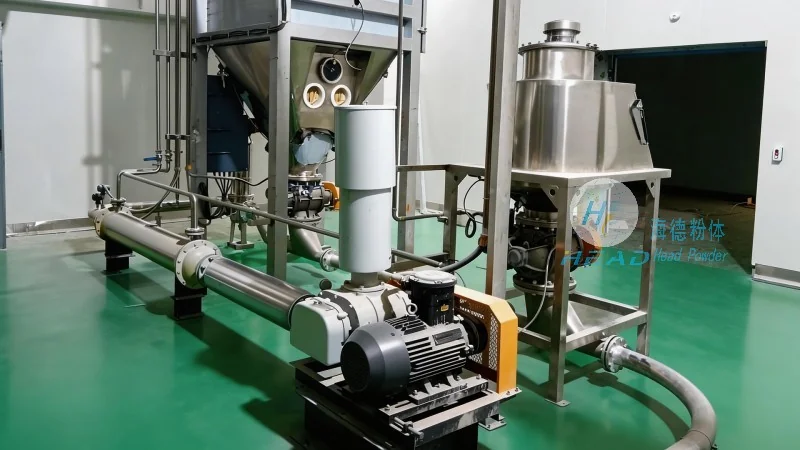
Several methods are widely used for cement particle transport, each with its own advantages and limitations. The primary options include pneumatic conveying, mechanical conveying, and hybrid systems. Pneumatic conveying utilizes air or other gases to move particles through a pipeline, while mechanical conveying relies on equipment like belt conveyors, screw conveyors, and bucket elevators. Hybrid systems combine elements of both approaches to address specific challenges.
Pneumatic Conveying Systems
Pneumatic conveying is a popular choice for cement particle transport due to its ability to handle fine powders and minimize dust exposure. This method involves creating a pressure differential to move material through a sealed pipeline. There are two main types: pressure and vacuum systems. Pressure systems use compressed air to push material forward, while vacuum systems use suction to draw it along. The choice between them depends on the distance and the volume of material to be conveyed. For example, pressure systems are often preferred for short to medium distances, whereas vacuum systems are suitable for longer runs or when material needs to be collected from multiple points.
Mechanical Conveying Equipment
Mechanical conveying methods are widely adopted in cement processing due to their simplicity and cost-effectiveness. Belt conveyors are commonly used for horizontal or slightly inclined transport, capable of handling large volumes of material. Screw conveyors, also known as augers, are ideal for vertical or inclined movement, especially in confined spaces. Bucket elevators are another option, designed to lift material vertically while minimizing spillage. These systems are often preferred when dust control is less critical or when the material has better flow characteristics.
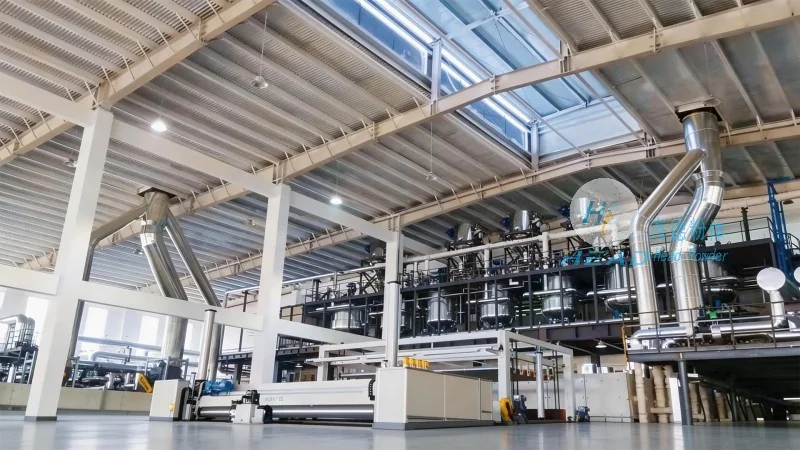
HeadPowder's Expertise in Cement Conveying Solutions
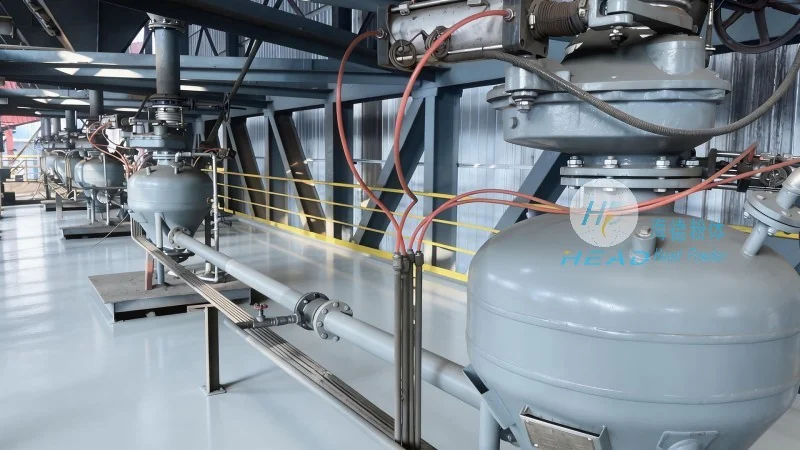
Shandong HeadPowder Engineering Co., Ltd. specializes in providing tailored cement particle conveying solutions that meet the diverse needs of industrial clients. With a focus on innovation and reliability, HeadPowder designs and manufactures systems that address the unique challenges of cement handling. The company's expertise lies in understanding the material's properties and selecting the most appropriate conveying method. By leveraging advanced technology and engineering, HeadPowder ensures that its solutions are efficient, durable, and cost-effective. The company's commitment to quality and customer satisfaction has made it a trusted partner in the cement industry.
Addressing Specific Challenges in Cement Conveying
Despite the effectiveness of various conveying methods, cement particles can present challenges such as clogging, segregation, and dust generation. To overcome these issues, specialized equipment and techniques are employed. For instance, some pneumatic systems use high-velocity air to prevent clogging and maintain consistent flow. Mechanical conveyors may incorporate features like variable speed drives and adjustable feeders to control material flow and prevent overloading. Additionally, dust control measures, such as enclosures and filtration systems, are integrated into many conveying solutions to ensure compliance with environmental regulations and workplace safety standards.
Conclusion: Choosing the Right Cement Particle Conveying Method
In conclusion, the choice of cement particle conveying method depends on a range of factors, including operational requirements, material properties, and cost considerations. By carefully evaluating these aspects, businesses can select the most suitable system to enhance their material handling processes. Whether opting for pneumatic or mechanical solutions, or a hybrid approach, the goal is to achieve efficient, reliable, and safe transport of cement particles. Shandong HeadPowder Engineering Co., Ltd. stands ready to assist clients in navigating these choices and implementing effective conveying systems that meet their specific needs.

 Shandong Headpowder Engineering Co., Ltd.
 156-6277-7102(Quản lý Trương)
  0531-83386006
  Thành phố Tế Nam, Tỉnh Sơn Đông, Trung Quốc
Điện thoại
WeChatTư vấn
Lên đầu