Với hơn 10 năm kinh nghiệm về vận chuyển khí nén, Headpowder Sơn Đông cung cấp hệ thống, thiết bị và quạt gió toàn chuỗi, đảm nhận các dự án kỹ thuật bột trọn gói trên toàn quốc.
Lithium-ion battery production relies on efficient material handling systems to ensure the quality and consistency of the final product. The positive electrode, a critical component in the battery cell, requires specialized conveying methods to maintain its purity and structural integrity. Common techniques for transporting positive electrode materials include mechanical and pneumatic systems, each with distinct characteristics and applications. Understanding these methods is essential for optimizing battery manufacturing processes and selecting the most suitable technology for specific production needs.
Traditional Mechanical Conveying Systems: Limitations and Challenges
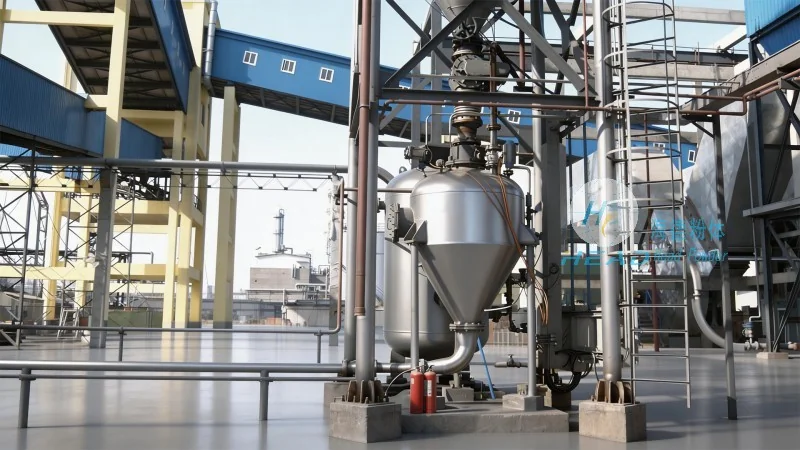
Traditional mechanical conveying systems, such as belt conveyors, screw conveyors, and bucket elevators, have been widely used in various industries for decades. In lithium-ion battery production, these systems are often employed to transport bulk positive electrode powders and granules. Belt conveyors, for example, are effective for horizontal or slightly inclined material transport over short to medium distances. They are relatively low-cost and easy to install, making them a popular choice for many manufacturers. However, belt conveyors have significant limitations when handling fine powders or sticky materials. The friction between the material and the belt can cause degradation, and the system may struggle with material segregation or uneven flow. Screw conveyors are another common option, particularly for vertical or inclined transport. They are compact and can handle dry or slightly wet materials. Yet, screw conveyors are prone to wear and tear from abrasive powders, and they may not maintain material integrity over long distances. Additionally, mechanical systems often require regular maintenance to prevent breakdowns, which can disrupt production schedules and increase operational costs. The reliance on mechanical parts also makes them susceptible to wear and tear, leading to higher long-term maintenance expenses compared to pneumatic systems.
Pneumatic Conveying: A Superior Solution for Battery Materials
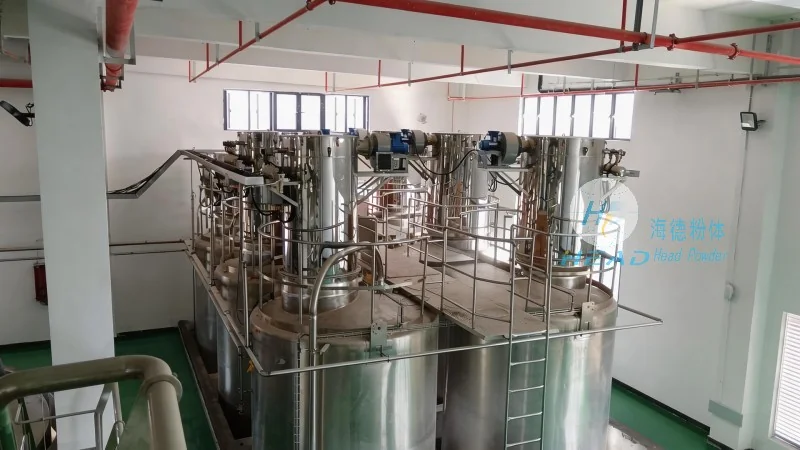
Pneumatic conveying, or air-based material transport, offers a more advanced and effective solution for lithium-ion battery positive electrode handling. This technology uses compressed air to move powders and granules through a pipeline system, eliminating the need for direct contact between the material and the conveying equipment. The primary advantages of pneumatic conveying in battery production include minimal material contamination, reduced degradation, and improved flow control. Unlike mechanical systems, pneumatic conveyors do not cause friction or abrasion, preserving the purity and quality of the positive electrode material. This is crucial for sensitive battery components that require high purity to ensure optimal performance and longevity. Additionally, pneumatic systems can handle a wide range of particle sizes and shapes, from fine powders to larger granules, with consistent performance. The flexibility of pneumatic conveying allows for complex and customized material flow paths, enabling seamless integration with other production processes such as mixing, coating, and cell assembly.
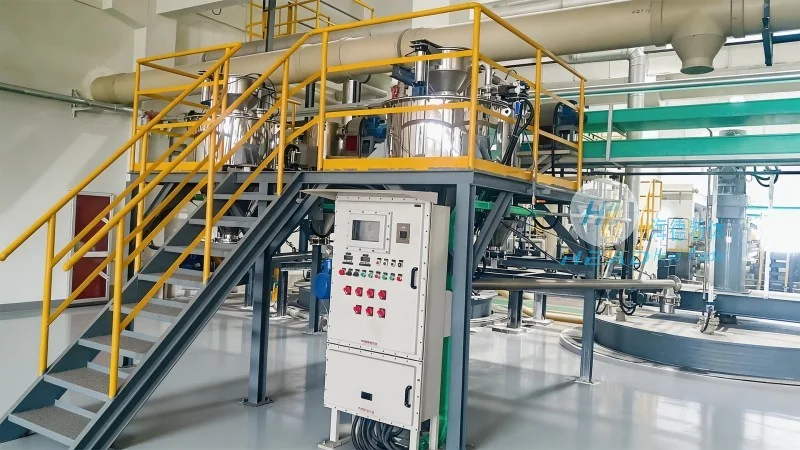
HeadPowder's Pneumatic Conveying System: Innovative Design and Features
Shandong HeadPowder Engineering Co., Ltd. (HeadPowder) specializes in developing cutting-edge pneumatic conveying solutions tailored for the lithium-ion battery industry. Their system is engineered to address the unique challenges of positive electrode material handling, ensuring high efficiency, reliability, and material integrity. The HeadPowder pneumatic conveying system incorporates several innovative features that enhance performance and operational stability. One key feature is the use of high-efficiency air classifiers and cyclones to precisely control particle size distribution. This ensures that the positive electrode material meets strict quality standards, reducing the risk of defects or performance issues in the final battery products. The system also employs advanced control technologies, including variable frequency drives (VFDs) and real-time monitoring systems, to optimize air flow and pressure. This not only improves material transport efficiency but also reduces energy consumption, contributing to lower operational costs. Additionally, the modular and scalable architecture of the HeadPowder system allows for easy integration into existing production lines or expansion as production capacity increases. The system is designed with durability in mind, using high-quality materials and components to withstand the demanding conditions of battery manufacturing.
Performance and Reliability in Real-World Applications
The HeadPowder pneumatic conveying system has demonstrated superior performance in lithium-ion battery manufacturing facilities across China and globally. It ensures consistent material flow rates, minimizing downtime and improving overall production throughput. The system's design minimizes material degradation and contamination, which directly impacts the quality of the final battery products. This is particularly important for positive electrode materials that are sensitive to moisture, oxygen, or other environmental factors. The reliability of the HeadPowder system is further enhanced by its robust construction and advanced maintenance features. The company's commitment to quality and customer satisfaction is reflected in the long-term partnerships with leading battery manufacturers who rely on their conveying solutions for consistent performance. HeadPowder's expertise in pneumatic technology, combined with their understanding of battery production requirements, makes their system a preferred choice for manufacturers seeking to optimize their positive electrode handling processes.

 Shandong Headpowder Engineering Co., Ltd.
 156-6277-7102(Quản lý Trương)
  0531-83386006
  Thành phố Tế Nam, Tỉnh Sơn Đông, Trung Quốc
Điện thoại
WeChatTư vấn
Lên đầu