Với hơn 10 năm kinh nghiệm về vận chuyển khí nén, Headpowder Sơn Đông cung cấp hệ thống, thiết bị và quạt gió toàn chuỗi, đảm nhận các dự án kỹ thuật bột trọn gói trên toàn quốc.
When it comes to handling and transporting dust, especially in industrial settings, understanding the available methods is crucial for efficiency and safety. The choice of dust transportation method depends on several factors, including the type of material, the volume to be moved, the distance involved, and the specific requirements of the application. Here, we explore some of the most common methods used in the industry, highlighting their characteristics and applications.
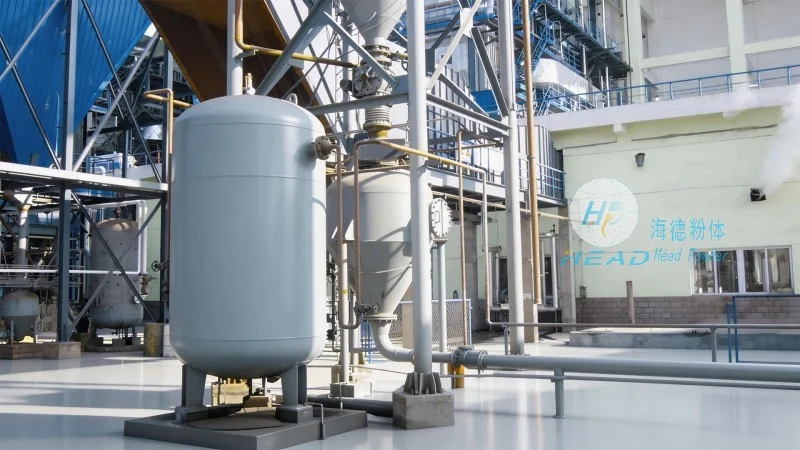
1. Pneumatic Conveying Systems
Pneumatic conveying, also known as air-pneumatic transport, is a widely used method for moving dry powders and granular materials. This technique utilizes a stream of air to transport the material through a pipeline. There are two main types of pneumatic conveying systems: pressure and vacuum. Pressure systems use compressed air to push the material forward, while vacuum systems use a vacuum to pull the material into the pipeline. Pneumatic conveying is particularly effective for materials that are fine, abrasive, or have a tendency to agglomerate. It offers advantages such as low maintenance, the ability to transport materials over long distances, and the option to integrate with other processing equipment. However, it may not be suitable for very heavy or large particles, as the air flow may not be sufficient to move them efficiently.
2. Mechanical Conveying Systems
Mechanical conveying systems rely on mechanical components to transport dust and bulk materials. These systems include screw conveyors, belt conveyors, and bucket elevators. Screw conveyors use a rotating screw to move material along a trough. They are suitable for transporting materials that are free-flowing and non-abrasive. Belt conveyors use a continuous belt to transport material over a series of rollers or idlers. They are commonly used for transporting larger quantities of material over short to medium distances. Bucket elevators use a series of buckets attached to a chain or belt to lift material vertically. Mechanical conveying systems are generally more cost-effective for short-distance transport and for materials that are not sensitive to air flow. They are also easier to install and maintain compared to pneumatic systems.
3. Hydraulic Conveying Systems
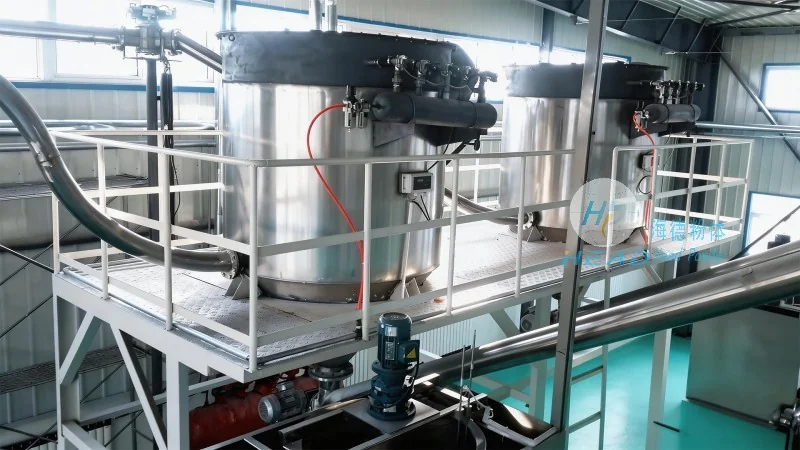
Hydraulic conveying systems use water or other liquids to transport materials. This method is often used for transporting materials that are too fine or too heavy for pneumatic or mechanical systems. The material is suspended in the liquid and transported through a pipeline. Hydraulic conveying is particularly effective for materials that are abrasive or have a high moisture content. It can handle large volumes of material and is suitable for long-distance transport. However, it requires a separate system for liquid management and may not be suitable for materials that are sensitive to moisture.
4. Air-Liquid Conveying Systems
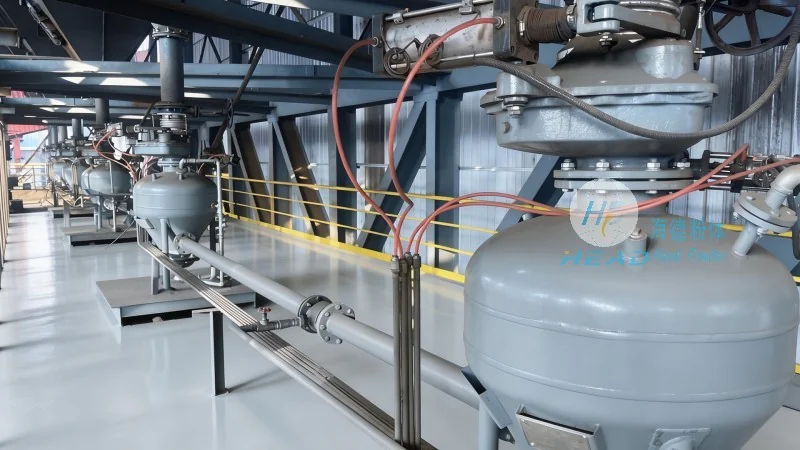
Air-liquid conveying systems combine the principles of pneumatic and hydraulic conveying. In this method, a mixture of air and liquid is used to transport the material. The air helps to keep the material suspended in the liquid, while the liquid provides the necessary flow to move the material through the pipeline. This system is particularly effective for materials that are difficult to transport using either pneumatic or hydraulic methods alone. It can handle a wide range of particle sizes and can be used for both short and long distances. Air-liquid conveying systems are often used in applications where the material needs to be transported while being cooled or humidified.
5. Vacuum Conveying Systems
Vacuum conveying systems are a type of pneumatic conveying system that uses a vacuum to draw material into the pipeline. These systems are commonly used for transporting materials from a source to a destination, such as from a hopper to a processing unit. Vacuum systems are particularly effective for materials that are fine and have a tendency to create dust. They can handle materials with a wide range of particle sizes and can be used for both short and long distances. However, they may not be suitable for very heavy or large particles, as the vacuum may not be strong enough to move them efficiently.
6. Pressure Conveying Systems
Pressure conveying systems are a type of pneumatic conveying system that uses compressed air to push material through the pipeline. These systems are commonly used for transporting materials over long distances and for materials that are abrasive or have a high moisture content. Pressure systems can handle large volumes of material and are suitable for both dry and wet materials. However, they require a separate system for compressed air and may not be suitable for materials that are sensitive to high pressure.
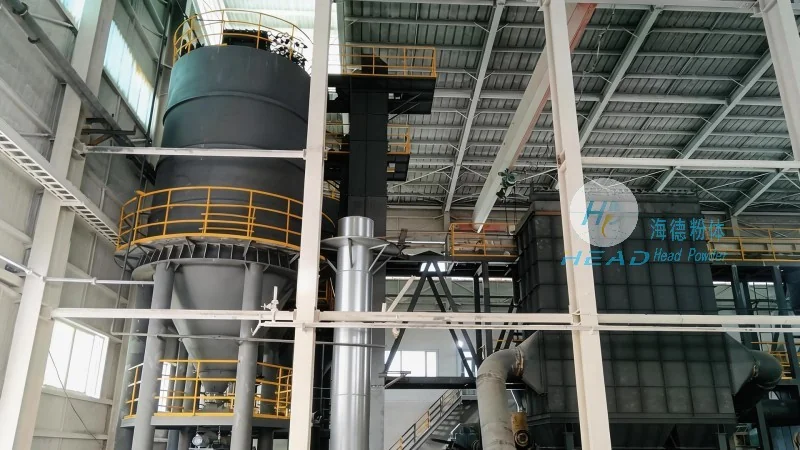
7. Combination Systems
In some cases, a combination of different conveying methods may be used to achieve the best results. For example, a pneumatic system may be used to transport material from a hopper to a processing unit, and then a mechanical system may be used to transport the material to a storage bin. Combination systems allow for flexibility and can be tailored to the specific needs of the application. They are often used in complex industrial processes where multiple materials need to be transported and processed.
When selecting a dust transportation method, it is important to consider the specific requirements of the application. Factors such as material properties, distance, and cost should be taken into account. By choosing the right method, businesses can improve efficiency, reduce costs, and ensure the safety of their operations. Shandong HeadPowder Engineering Co., Ltd. specializes in providing dust transportation solutions tailored to the needs of various industries, including pharmaceuticals, food processing, and chemical manufacturing. With a focus on quality and innovation, the company offers a range of conveying systems that meet the highest standards of performance and reliability. Whether you need a simple pneumatic system or a complex combination system, HeadPowder can help you find the right solution for your dust transportation needs.

 Shandong Headpowder Engineering Co., Ltd.
 156-6277-7102(Quản lý Trương)
  0531-83386006
  Thành phố Tế Nam, Tỉnh Sơn Đông, Trung Quốc
Điện thoại
WeChatTư vấn
Lên đầu