Với hơn 10 năm kinh nghiệm về vận chuyển khí nén, Headpowder Sơn Đông cung cấp hệ thống, thiết bị và quạt gió toàn chuỗi, đảm nhận các dự án kỹ thuật bột trọn gói trên toàn quốc.
Wood fiber conveying is a critical process in various industrial applications, particularly in the pulp and paper industry. The efficient transportation of wood fibers from processing units to subsequent stages is essential for maintaining production efficiency and quality. There are several methods used for wood fiber conveying, each with its own advantages and applications.
Types of Wood Fiber Conveying Methods
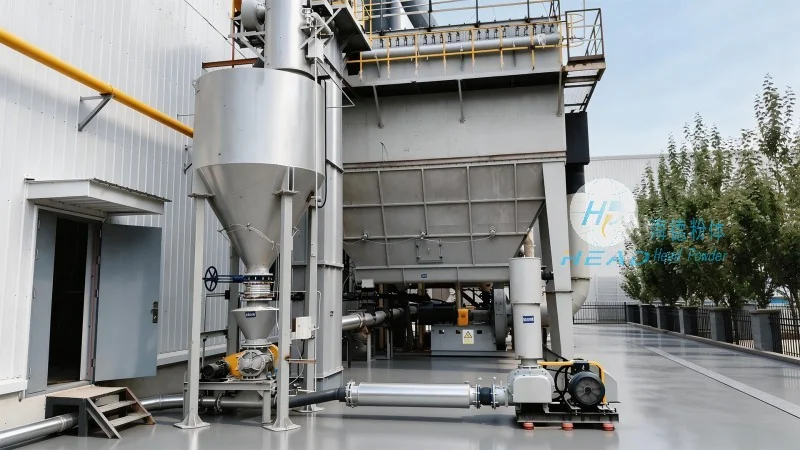
HeadPowder, a leading provider of industrial conveying solutions, offers a range of methods tailored to different operational needs. The primary types of wood fiber conveying methods include:
1. Screw Conveyors for Wood Fibers
Screw conveyors, also known as auger conveyors, are widely used for wood fiber transportation. These systems consist of a rotating screw (auger) enclosed in a trough or tube. As the screw rotates, it pushes the wood fibers forward, making them suitable for horizontal or slight incline applications. Screw conveyors are particularly effective for handling fibrous materials that may be sticky or have varying moisture content. They are commonly used in the initial stages of wood processing, such as transporting chips or slurry from storage to the pulping machine.
2. Pneumatic Conveying Systems
Pneumatic conveying systems use air pressure to transport wood fibers through a pipeline. This method is ideal for long-distance or vertical transportation, as it can move materials over significant heights or distances without the need for mechanical components at the end points. There are two main types of pneumatic conveying: pressure and vacuum systems. Pressure systems push the material with compressed air, while vacuum systems pull it using a vacuum. Pneumatic conveying is often preferred for handling fine or dusty wood fibers, as it minimizes material degradation and contamination. However, it requires careful design to ensure efficient air flow and prevent blockages.
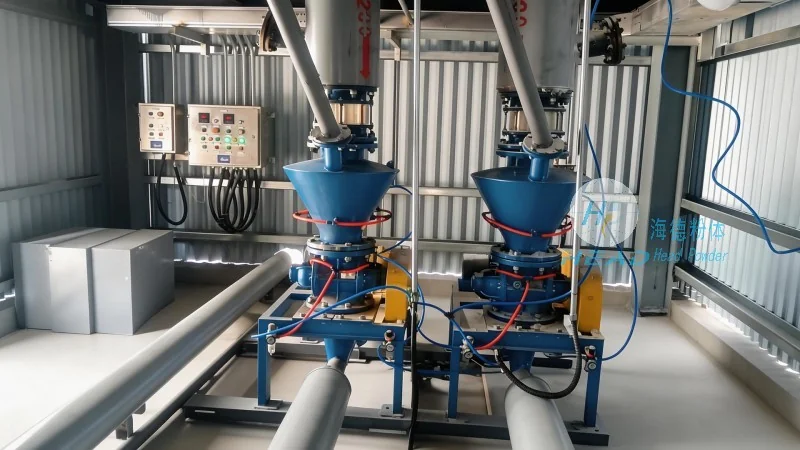
3. Belt Conveyors for Wood Fiber Handling
Belt conveyors are another common method for wood fiber conveying, especially in applications requiring high volume and continuous material movement. These systems use a continuous belt that moves over rollers or pulleys to transport the fibers. Belt conveyors are suitable for both horizontal and inclined transport and can handle a wide range of material sizes and moisture levels. They are often used in the final stages of processing, such as transporting finished pulp or paper products. Belt conveyors are known for their durability and ability to handle heavy loads, making them a reliable choice for industrial operations.
4. Hydraulic Conveying Systems
Hydraulic conveying systems utilize fluid pressure to move wood fibers through a pipeline. This method is particularly effective for handling wet or slurry-like wood fibers, as the fluid helps to keep the material suspended and prevent clogging. Hydraulic systems are commonly used in processes where the wood fibers are mixed with water or other liquids, such as in the pulping and bleaching stages. They offer precise control over the flow rate and can handle high volumes of material with minimal maintenance. However, hydraulic systems require specialized equipment and regular maintenance to ensure optimal performance.
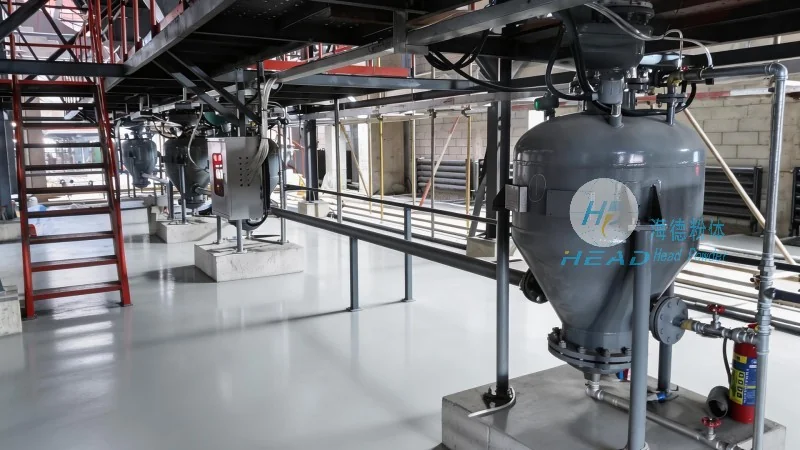
5. Bucket Elevators for Vertical Conveying
Bucket elevators are specialized equipment designed for vertical transportation of wood fibers. These systems consist of a vertical conveyor with buckets attached to a chain or belt. As the conveyor rotates, the buckets scoop up the wood fibers and lift them to the desired height. Bucket elevators are ideal for applications where vertical movement is necessary, such as transporting chips from the ground floor to the upper levels of a processing plant. They are known for their high capacity and ability to handle heavy loads, making them suitable for large-scale industrial operations. However, they require regular inspection to prevent bucket wear and chain or belt damage.
Choosing the Right Conveying Method for Wood Fibers
When selecting a wood fiber conveying method, several factors must be considered, including the material characteristics, distance to be covered, and operational requirements. HeadPowder provides expert consultation to help clients choose the most suitable conveying system for their specific needs. Factors such as fiber size, moisture content, and the presence of contaminants will influence the choice of equipment. For example, screw conveyors may be preferred for handling dry, coarse wood chips, while pneumatic systems are better suited for fine, moist fibers. The distance between the source and destination also plays a role, as longer distances may require more powerful systems like pneumatic or hydraulic conveyors.
Applications of Wood Fiber Conveying
Wood fiber conveying methods are used in various industrial applications, including the pulp and paper industry, biofuel production, and wood processing facilities. In the pulp and paper industry, these methods are crucial for transporting raw materials from the forest to the processing plant and then to the final product. In biofuel production, wood fibers are used to generate energy, and efficient conveying is essential to ensure a steady supply of material to the processing units. Wood processing facilities also rely on these systems to transport chips, sawdust, and other byproducts to storage or further processing.
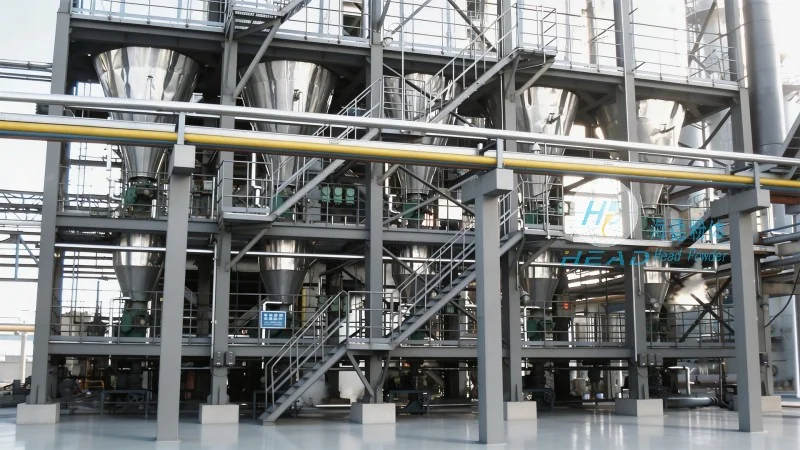
Advantages and Considerations of Wood Fiber Conveying Methods
Each wood fiber conveying method has its own advantages and considerations. Screw conveyors are simple, reliable, and cost-effective for short-distance horizontal transport. Pneumatic systems offer flexibility for long-distance or vertical transport but require more energy and maintenance. Belt conveyors are suitable for high-volume continuous transport but may require more space and maintenance. Hydraulic systems are ideal for wet or slurry-like materials but need specialized equipment. Bucket elevators are effective for vertical transport but may have higher initial costs and maintenance requirements.
Conclusion
Efficient wood fiber conveying is essential for maintaining production efficiency and quality in industrial applications. HeadPowder, with its expertise in industrial conveying solutions, offers a range of methods tailored to different operational needs. By considering factors such as material characteristics, distance, and operational requirements, businesses can select the most suitable conveying system to optimize their processes. Whether using screw conveyors, pneumatic systems, belt conveyors, hydraulic systems, or bucket elevators, the right choice will enhance productivity and ensure the smooth flow of wood fibers through the production process.

 Shandong Headpowder Engineering Co., Ltd.
 156-6277-7102(Quản lý Trương)
  0531-83386006
  Thành phố Tế Nam, Tỉnh Sơn Đông, Trung Quốc
Điện thoại
WeChatTư vấn
Lên đầu