Với hơn 10 năm kinh nghiệm về vận chuyển khí nén, Headpowder Sơn Đông cung cấp hệ thống, thiết bị và quạt gió toàn chuỗi, đảm nhận các dự án kỹ thuật bột trọn gói trên toàn quốc.
When it comes to industrial processes that involve handling paper sheets, the efficiency and reliability of the conveying system play a crucial role. The right method of conveying can significantly impact production speed, product quality, and overall operational costs. In this article, we will explore the various paper sheet conveying methods used in modern manufacturing and industrial applications, focusing on the key aspects that make each method suitable for specific scenarios.
Key Factors Influencing Conveying Method Selection
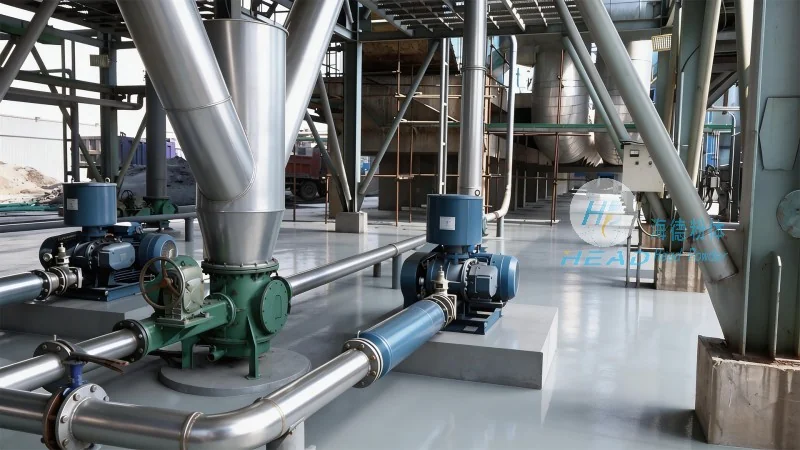
Before delving into the specific types of paper sheet conveying methods, it's essential to understand the factors that influence the choice of a particular system. These factors include the type and size of the paper sheets, the required conveying speed, the environment where the conveying takes place, and the budget constraints. Companies like Shandong HeadPowder Engineering Co., Ltd., based in China, specialize in designing and manufacturing customized conveying solutions tailored to meet these diverse requirements.
1. Roller Conveying Systems
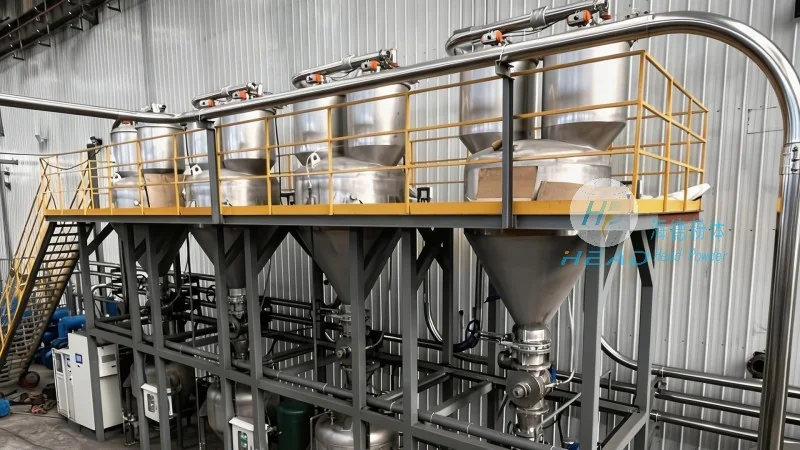
Roller conveying is one of the most common and versatile methods for transporting paper sheets. This system utilizes a series of rollers to support and move the sheets along a path. The rollers can be arranged in various configurations, such as line shaft or chain-driven systems, to suit different production needs. Roller conveyors are particularly effective for flat and uniform paper sheets, as they provide smooth and consistent movement. The design of the rollers, including their diameter and spacing, can be adjusted to accommodate different sheet sizes and weights. For instance, in applications where heavy or bulky paper sheets are involved, larger rollers with wider spacing may be used to prevent deformation or damage. The simplicity of roller conveyors makes them a cost-effective solution for many industries, including printing, packaging, and paper manufacturing.
2. Belt Conveying Systems
Belt conveying systems use a continuous belt to transport paper sheets. The belt is typically made of rubber or synthetic materials and is supported by rollers or idlers. This method is ideal for conveying sheets over longer distances or at higher speeds compared to roller systems. The belt can be designed with different surfaces, such as smooth or textured, to provide better grip and prevent slippage, especially for sheets with low friction coefficients. Belt conveyors are commonly used in applications where the paper sheets need to be transported at an angle or over uneven surfaces. The flexibility of the belt allows for curved paths and changes in direction, making it suitable for complex production layouts. Companies like HeadPowder, with their expertise in conveyor design, can provide customized belt systems that integrate seamlessly with existing production lines.
3. Chain Conveying Systems
Chain conveying systems employ a chain with attached sprockets or rollers to move paper sheets. This method is often used for heavier or irregularly shaped paper sheets that require more robust support. The chain can be designed with different link configurations, such as solid or hinged links, to handle various loads. Chain conveyors are known for their high load capacity and durability, making them suitable for heavy-duty applications. They are commonly used in industries like automotive and construction, where large or heavy paper-based materials need to be transported. The chain's ability to handle high tension and continuous operation makes it a reliable choice for demanding environments. However, chain conveyors may require more maintenance compared to roller or belt systems due to the moving parts and potential for wear and tear.
4. Pneumatic Conveying Systems
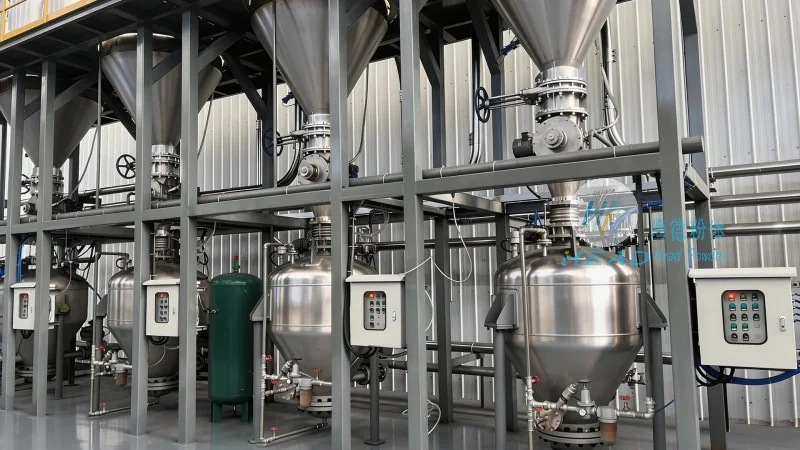
Pneumatic conveying systems use air or gas to transport paper sheets through a pipeline. This method is particularly useful for transporting lightweight or delicate paper sheets over short to medium distances. The system typically consists of a blower, a hopper, and a pipeline with appropriate valves and filters. The air pressure is used to create a flow that moves the sheets along the pipeline. Pneumatic conveying is often preferred for applications where contamination needs to be minimized, as the enclosed pipeline prevents external particles from entering the system. It is also suitable for conveying sheets that are sensitive to friction or pressure, as the air flow provides a gentle and controlled movement. However, pneumatic systems may have limitations in terms of conveying distance and the size of the sheets, as larger or heavier sheets may require higher air pressure and more complex system designs.
5. Magnetic Conveying Systems
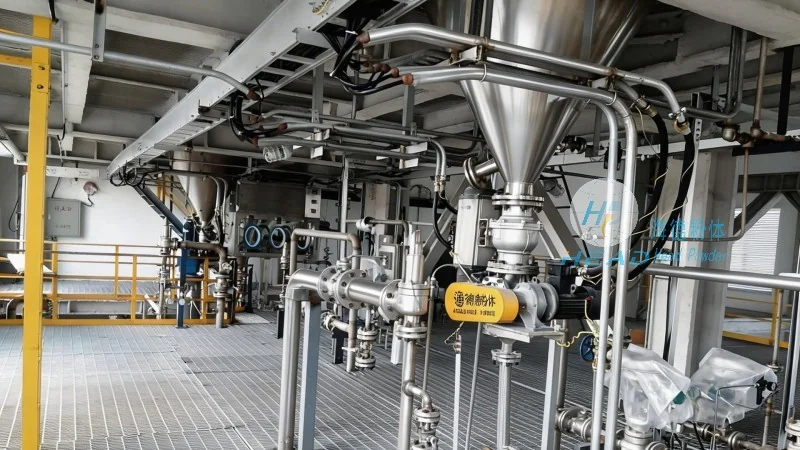
Magnetic conveying systems utilize magnetic forces to move paper sheets, particularly those with magnetic properties or embedded magnetic particles. This method is commonly used in the recycling industry, where paper sheets are mixed with other materials and need to be separated. The magnetic conveyor consists of a series of magnets arranged along a conveyor belt or roller system. As the paper sheets pass over the magnets, the magnetic force pulls the magnetic particles or sheets towards the magnets, allowing for separation from non-magnetic materials. Magnetic conveying is an efficient and cost-effective method for sorting and transporting paper sheets in recycling plants. It is particularly useful for separating paper from metal or plastic contaminants. The system can be designed with adjustable magnetic fields to control the strength of the attraction, ensuring optimal separation without damaging the paper sheets. Companies specializing in industrial conveyor systems, such as Shandong HeadPowder Engineering Co., Ltd., can provide customized magnetic conveying solutions tailored to specific recycling processes.
6. Vibrating Conveying Systems
Vibrating conveying systems use vibrations to move paper sheets along a conveyor bed. The system typically consists of a conveyor tray or belt that is mounted on a vibrating mechanism. The vibrations cause the sheets to move forward due to the forces of inertia and friction. This method is ideal for transporting lightweight or irregularly shaped paper sheets that may have difficulty moving on traditional conveyors. Vibrating conveyors are commonly used in applications where the sheets need to be leveled or aligned before further processing. The frequency and amplitude of the vibrations can be adjusted to control the speed and direction of the sheet movement. For example, in packaging lines, vibrating conveyors can be used to feed paper sheets into boxes or containers. The design of the vibrating mechanism, including the type of motor and the mounting configuration, can be customized to suit different production requirements. Vibrating systems are known for their ability to handle a wide range of sheet sizes and shapes, making them a versatile option for various industrial applications.
Conclusion and Company Expertise
In conclusion, the choice of a paper sheet conveying method depends on several factors, including the type of paper, the required speed, and the operational environment. Each method has its own advantages and limitations, and the right selection can significantly enhance production efficiency and product quality. Shandong HeadPowder Engineering Co., Ltd., a leading manufacturer in China, offers a wide range of customized conveying solutions, including roller, belt, chain, pneumatic, magnetic, and vibrating systems. With their expertise in industrial conveyor design and manufacturing, HeadPowder can provide tailored solutions that meet the specific needs of their clients. Whether it's for a printing plant, a packaging facility, or a recycling operation, the company's products are designed to ensure reliable and efficient paper sheet transportation. By understanding the different conveying methods and their applications, businesses can make informed decisions to optimize their production processes and improve overall operational performance.

 Shandong Headpowder Engineering Co., Ltd.
 156-6277-7102(Quản lý Trương)
  0531-83386006
  Thành phố Tế Nam, Tỉnh Sơn Đông, Trung Quốc
Điện thoại
WeChatTư vấn
Lên đầu