Với hơn 10 năm kinh nghiệm về vận chuyển khí nén, Headpowder Sơn Đông cung cấp hệ thống, thiết bị và quạt gió toàn chuỗi, đảm nhận các dự án kỹ thuật bột trọn gói trên toàn quốc.
Phenolic coated sand, a critical material in foundry applications, requires efficient and reliable conveying systems to ensure smooth production processes. The choice of conveying method significantly impacts operational efficiency, material quality, and overall cost-effectiveness. This article explores the various phenolic coated sand conveying methods available, with a particular focus on the advantages and characteristics of pneumatic conveying systems.
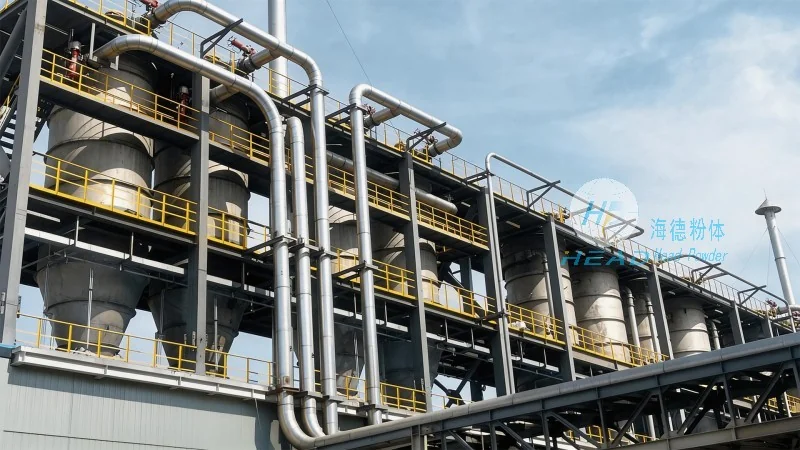
Understanding Pneumatic Conveying for Phenolic Coated Sand
Pneumatic conveying, also known as air conveying, is a widely adopted method for transporting phenolic coated sand due to its flexibility and effectiveness. This technique involves using compressed air to move the sand particles through a pipeline system. The process typically includes a hopper for material storage, a feeder to control the flow rate, a conveying line, and a receiver for the delivered material. Pneumatic conveying can be categorized into different types based on the air flow direction and pressure, such as pressure, vacuum, and combined systems.
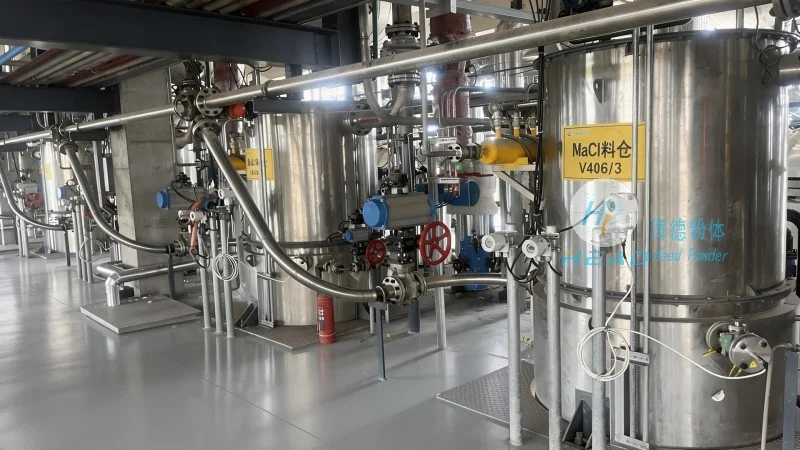
Key Advantages of Pneumatic Conveying Systems
The adoption of pneumatic conveying for phenolic coated sand offers several distinct advantages. Firstly, it provides a dust-free and clean operation environment, which is essential for maintaining the quality of the coated sand and preventing contamination. Unlike mechanical conveying methods, which may generate dust and require additional filtration systems, pneumatic conveying minimizes the risk of particle degradation and ensures consistent material properties. Secondly, pneumatic systems offer high flexibility in terms of layout and installation. They can be easily integrated into existing production lines or adapted to new facility designs without extensive structural modifications. This adaptability makes them suitable for various plant configurations and expansion needs.
Technical Features and Performance Characteristics
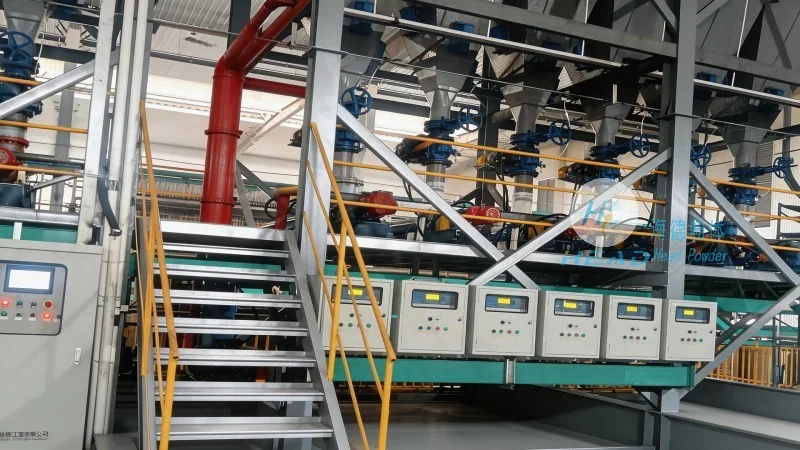
Pneumatic conveying systems for phenolic coated sand are designed to handle the specific physical properties of the material. The equipment is engineered to manage the abrasive nature of the coated sand, ensuring long-term durability and minimal wear. High-quality components, such as stainless steel or specialized alloys, are used in the construction of the conveying lines and components to withstand the abrasive effects of the sand particles. Additionally, the systems are equipped with advanced control mechanisms that regulate air pressure, flow rate, and material feed, ensuring precise and consistent operation. These features contribute to the system's reliability and efficiency in delivering the coated sand to the required destinations.
Application Scenarios and Practical Considerations
Pneumatic conveying is particularly suitable for applications where phenolic coated sand needs to be transported over moderate distances, typically ranging from a few meters to several hundred meters. It is commonly used in foundries for moving the coated sand from storage silos to molding machines or from one production line to another. The system's ability to handle both bulk and small quantities makes it versatile for different production scales. Practical considerations when implementing pneumatic conveying include the initial investment cost, which may be higher than mechanical systems, but is offset by long-term operational savings due to reduced maintenance and improved material quality. Additionally, proper system design and maintenance are crucial to ensure optimal performance and prevent issues such as blockages or air leaks.
About Shandong HeadPowder Engineering Co., Ltd.
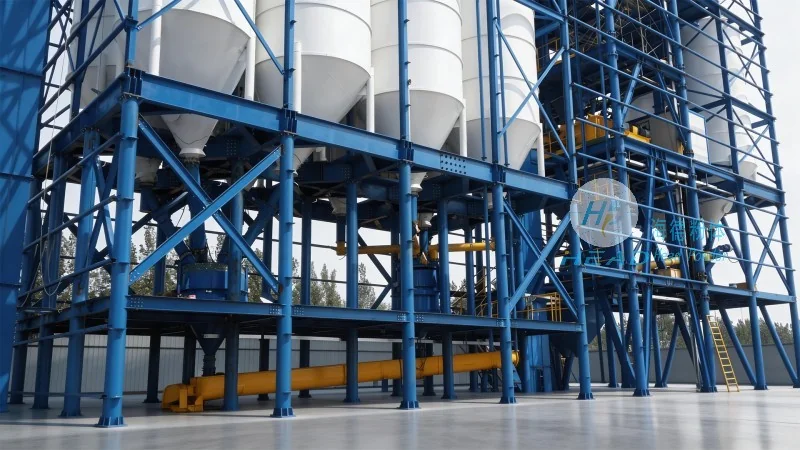
Shandong HeadPowder Engineering Co., Ltd., operating under the brand name headpowder, specializes in the design, manufacturing, and supply of advanced conveying systems for industrial materials, including phenolic coated sand. With a strong commitment to quality and innovation, the company has established itself as a trusted partner in the foundry industry. HeadPowder's expertise lies in developing customized pneumatic conveying solutions tailored to the specific needs of clients, ensuring efficient and reliable material handling. The company's facilities are located in Shandong, China, where it leverages local resources and industry knowledge to deliver high-performance products and services. By focusing on customer requirements and technological advancements, HeadPowder continues to enhance its position as a leading provider of phenolic coated sand conveying solutions.

 Shandong Headpowder Engineering Co., Ltd.
 156-6277-7102(Quản lý Trương)
  0531-83386006
  Thành phố Tế Nam, Tỉnh Sơn Đông, Trung Quốc
Điện thoại
WeChatTư vấn
Lên đầu