Với hơn 10 năm kinh nghiệm về vận chuyển khí nén, Headpowder Sơn Đông cung cấp hệ thống, thiết bị và quạt gió toàn chuỗi, đảm nhận các dự án kỹ thuật bột trọn gói trên toàn quốc.
When considering rice grain transportation, selecting an appropriate conveying method is vital for ensuring efficiency, cost-effectiveness, and the preservation of product quality. Various options are available, each with distinct benefits and limitations. This article examines common rice grain conveying methods and highlights the superior features of HeadPowder's pneumatic conveying system, a specialized solution designed to meet the unique requirements of rice grain handling.
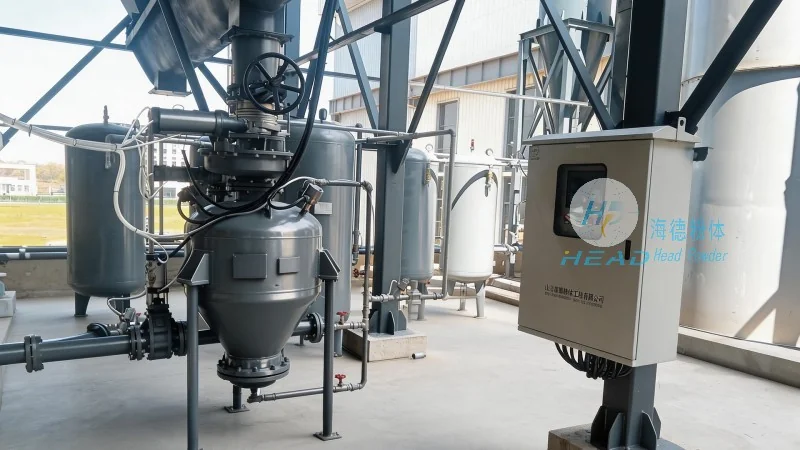
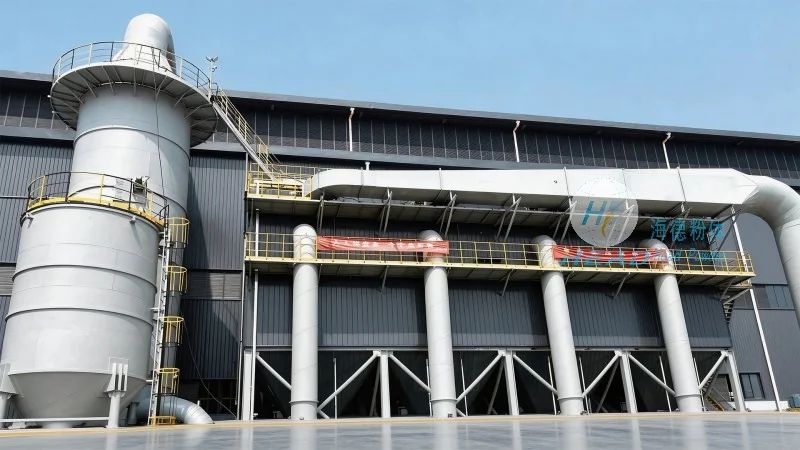
Common Rice Grain Conveying Methods
Traditional and widely adopted methods for moving rice grain include belt conveyors, bucket elevators, and screw conveyors. Belt conveyors excel in horizontal or slightly inclined transport, offering a continuous flow and the capacity to handle large volumes. However, they may require more space and are less efficient for vertical lifting compared to other systems. Bucket elevators are ideal for vertical or steep incline transport, effectively lifting grain from one level to another with minimal spillage. They are robust and can handle abrasive materials, making them suitable for rice grain with husks or other impurities. Screw conveyors, or augers, are compact and suitable for short-distance horizontal transport. They are simple in design and can operate in confined spaces, but they may generate heat and cause product degradation if the material is sensitive.
HeadPowder's Pneumatic Conveying System: Advantages for Rice Grain Handling
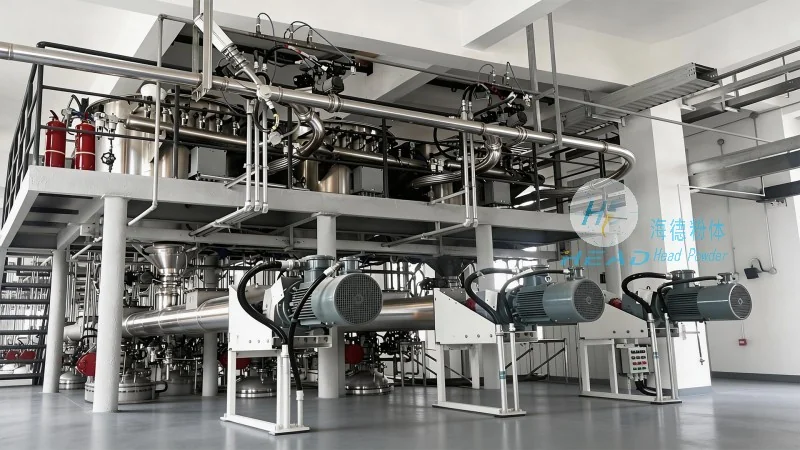
HeadPowder, a prominent manufacturer in the industry, offers a pneumatic conveying system specifically engineered for rice grain. This system utilizes air pressure to transport rice grain through a network of pipes, eliminating the need for mechanical components that can cause wear, tear, or contamination. The key advantages of HeadPowder's pneumatic conveying system for rice grain are as follows:

 Shandong Headpowder Engineering Co., Ltd.
 156-6277-7102(Quản lý Trương)
  0531-83386006
  Thành phố Tế Nam, Tỉnh Sơn Đông, Trung Quốc
Điện thoại
WeChatTư vấn
Lên đầu