Với hơn 10 năm kinh nghiệm về vận chuyển khí nén, Headpowder Sơn Đông cung cấp hệ thống, thiết bị và quạt gió toàn chuỗi, đảm nhận các dự án kỹ thuật bột trọn gói trên toàn quốc.
When designing a calcium carbide dust gas-pneumatic conveying system, it is crucial to consider multiple factors to ensure efficiency, safety, and cost-effectiveness. The system is typically used in industrial settings to transport fine dust generated during the production and processing of calcium carbide. A well-designed system not only improves operational efficiency but also minimizes environmental impact by preventing dust dispersion and ensuring compliance with environmental regulations.
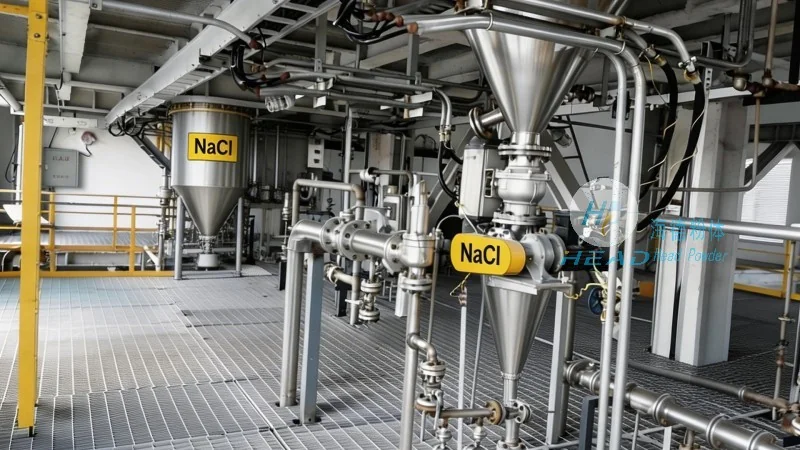
Key Components and Design Considerations
The core components of a calcium carbide dust gas-pneumatic conveying system include the dust collection unit, air compressor, conveying pipeline, and material separation equipment. The design process begins with an assessment of the dust characteristics, such as particle size, moisture content, and bulk density. These properties directly influence the selection of the air compressor's capacity and the type of conveying pipeline (e.g., flexible hoses or rigid pipes). For instance, high-pressure air compressors are often preferred for handling fine, dry dust to maintain consistent flow rates and prevent blockages in the pipeline.
Another critical aspect is the layout of the conveying pipeline. The system should be designed to minimize bends and changes in direction, as excessive bends can cause pressure losses and increase the risk of material accumulation. The pipeline diameter is also carefully selected based on the expected flow rate and particle size to ensure smooth material transport without excessive energy consumption. Additionally, the inclusion of check valves and flow control devices is essential to regulate the air flow and prevent backflow, which could lead to system inefficiencies or equipment damage.
Material Handling and Separation
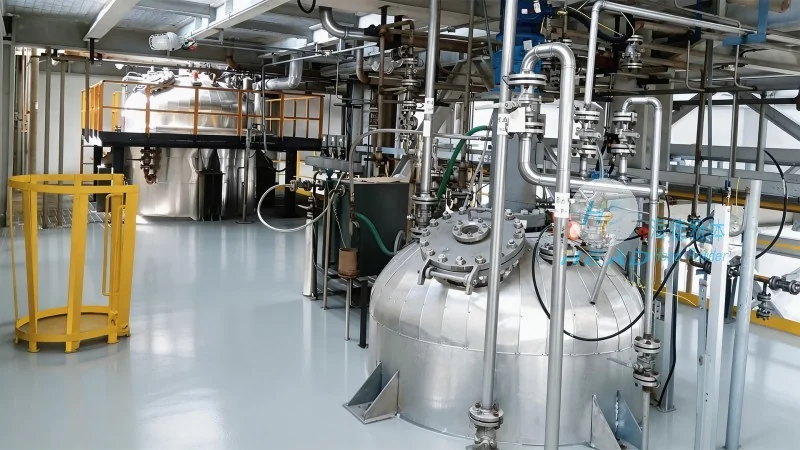
In calcium carbide dust applications, material separation is a key design consideration. The system often incorporates cyclone separators or bag filters to separate the dust from the air stream before it is discharged or recirculated. The choice of separation equipment depends on the dust's properties and the required purity of the conveyed material. For example, cyclone separators are effective for coarse particles, while bag filters are better suited for fine dust due to their high filtration efficiency. Proper maintenance of these separation units is vital to ensure the system operates at optimal performance and prevents dust buildup that could compromise the conveying process.
System Integration and Safety Measures
Integrating the calcium carbide dust gas-pneumatic conveying system with other industrial processes requires careful planning to ensure seamless operation. The system should be designed to work in conjunction with dust collection systems, air compressors, and material handling equipment to form a cohesive production line. This integration minimizes downtime and enhances overall productivity. Furthermore, safety measures are paramount in such systems. The design must include features like explosion-proof air compressors and pressure relief valves to mitigate risks associated with dust explosions, which are a common hazard in powder handling operations. Regular maintenance and monitoring of the system's pressure and flow rates are also essential to maintain safe operating conditions.
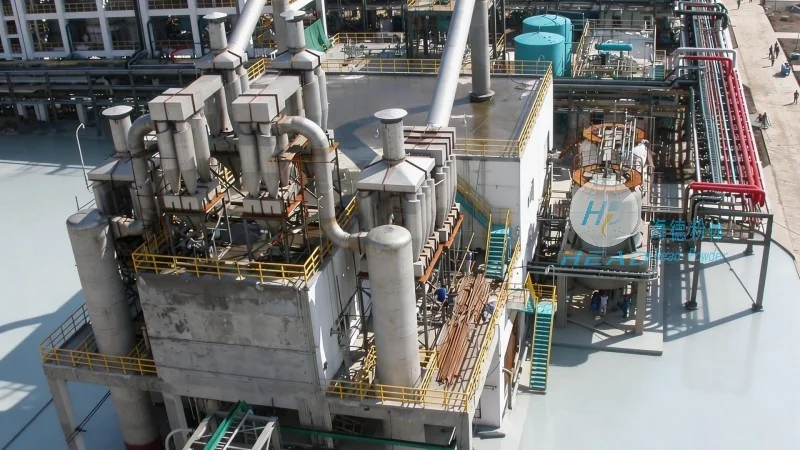
Case Study: A Successful Implementation by Shandong HeadPowder Engineering Co., Ltd.
Shandong HeadPowder Engineering Co., Ltd., a leading provider of industrial dust handling solutions, has successfully implemented calcium carbide dust gas-pneumatic conveying systems for numerous clients. The company's expertise lies in tailoring systems to meet specific operational requirements, ensuring that each project is customized to the client's needs. For example, one client required a system to transport fine calcium carbide dust over a distance of 100 meters with minimal pressure loss. Through careful analysis of the dust characteristics and system layout, HeadPowder engineers designed a system using high-pressure air compressors and optimized pipeline configurations, resulting in a 20% reduction in energy consumption compared to conventional systems. This case study highlights the importance of professional design and engineering in achieving efficient and reliable dust handling solutions.
Conclusion
Designing a rational calcium carbide dust gas-pneumatic conveying system involves a comprehensive approach that considers dust properties, system components, material handling, and safety measures. By integrating these elements effectively, industrial facilities can enhance operational efficiency, reduce environmental impact, and ensure compliance with regulatory standards. Shandong HeadPowder Engineering Co., Ltd. specializes in providing expert design and implementation services for such systems, helping clients achieve optimal performance and long-term operational success.

 Shandong Headpowder Engineering Co., Ltd.
 156-6277-7102(Quản lý Trương)
  0531-83386006
  Thành phố Tế Nam, Tỉnh Sơn Đông, Trung Quốc
Điện thoại
WeChatTư vấn
Lên đầu