Với hơn 10 năm kinh nghiệm về vận chuyển khí nén, Headpowder Sơn Đông cung cấp hệ thống, thiết bị và quạt gió toàn chuỗi, đảm nhận các dự án kỹ thuật bột trọn gói trên toàn quốc.
When it comes to transporting bulk materials like salt, selecting the right air-flow conveying system is crucial for efficiency, cost-effectiveness, and operational safety. A well-designed system can significantly reduce energy consumption, minimize material loss, and ensure smooth production processes. This article provides a comprehensive guide to designing a reasonable salt air-flow conveying system, highlighting key factors and best practices that professionals in the industry should consider.
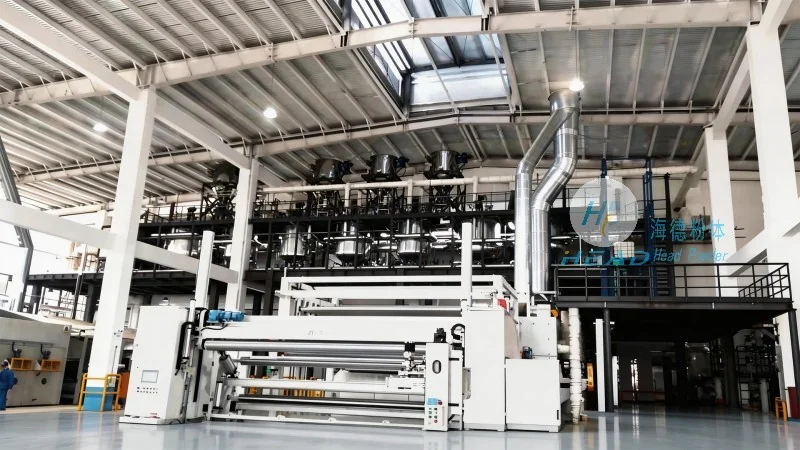
Understanding the Core Principles of Salt Air-Flow Conveying
Before diving into system design, it's essential to grasp the fundamental principles of air-flow conveying. This method involves transporting dry bulk materials by suspending them in a stream of air within a closed pipeline system. For salt, which is typically a granular or crystalline material, the choice of conveying system depends on several factors, including the material's physical properties, the required conveying distance, and the desired throughput. The two primary types of air-flow conveying systems are positive pressure and negative pressure systems, each with distinct advantages and applications.
Key Factors Influencing System Design for Salt Conveying
Designing an effective salt air-flow conveying system requires careful consideration of multiple variables. First, the physical characteristics of the salt itself play a critical role. Salt can vary in particle size, moisture content, and density, all of which affect how it behaves during transport. For instance, finer salt particles may require higher air velocities to maintain suspension, while larger crystals might need more robust equipment to prevent blockages. Additionally, the moisture content of the salt impacts its flowability and potential for caking, which can affect system performance and maintenance requirements.
Second, the distance and layout of the conveying route are vital considerations. The length of the pipeline, the number of bends, and the elevation changes all influence the system's pressure requirements and energy consumption. For longer distances, positive pressure systems are often preferred as they can maintain consistent pressure throughout the pipeline, reducing the risk of material deposition. Conversely, negative pressure systems are suitable for shorter distances or when the material needs to be transported from a higher to a lower elevation.
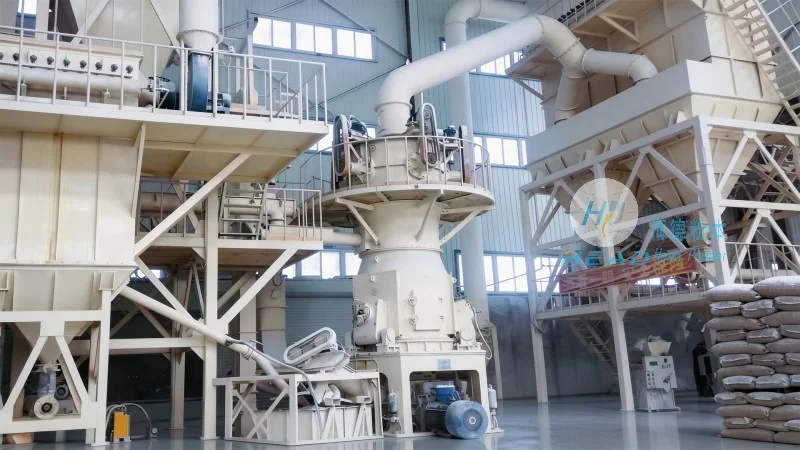
Equipment Selection and System Components
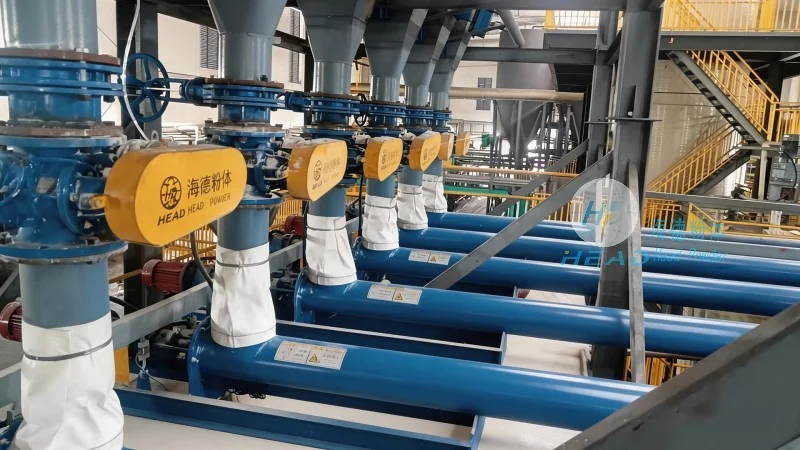
Choosing the right equipment is a critical step in designing a reliable salt air-flow conveying system. The main components typically include a material feeder, a blower or fan, a pipeline network, and a receiver or discharge unit. The material feeder must be capable of handling the salt's characteristics without causing blockages or uneven flow. For salt, a rotary valve or a star feeder is commonly used to ensure a consistent feed rate. The blower or fan provides the necessary air pressure and volume to transport the material. The choice between a positive displacement blower and a centrifugal fan depends on the system's pressure needs and the material's properties. The pipeline network must be constructed from materials that are resistant to corrosion and wear, such as stainless steel or special coatings, to withstand the abrasive nature of salt particles.
Pressure Control and System Efficiency
Effective pressure control is essential for optimizing the performance and efficiency of a salt air-flow conveying system. The system's pressure must be sufficient to maintain the material in suspension and overcome any resistance in the pipeline, including bends, valves, and elevation changes. However, excessive pressure can lead to higher energy consumption and increased wear on equipment. Therefore, precise control of the air flow and pressure is crucial. Modern systems often incorporate variable frequency drives (VFDs) to adjust the blower speed based on the actual conveying requirements, which helps in reducing energy waste and extending equipment life.
Material Handling and Dust Control
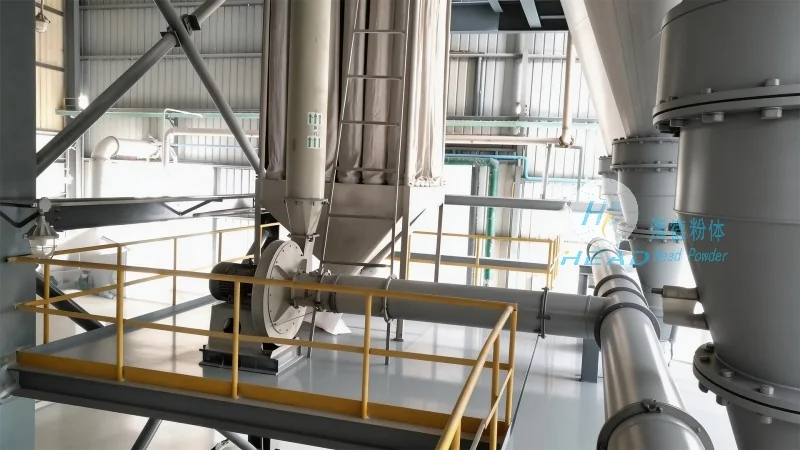
Proper handling of salt during air-flow conveying is essential to prevent dust generation and ensure environmental compliance. Salt is a fine, powdery material that can easily become airborne, leading to dust contamination and potential health hazards. To mitigate this, the system should include dust collection and filtration components. For example, a cyclone separator can be used to separate the salt particles from the air stream, while a baghouse or cartridge filter can capture any remaining dust particles. Additionally, the system should be designed with appropriate sealing and venting mechanisms to prevent air leaks and maintain pressure integrity.
Maintenance and Operational Considerations
Regular maintenance is vital to ensure the long-term reliability and efficiency of a salt air-flow conveying system. This includes inspecting and cleaning the pipeline and equipment to prevent blockages and corrosion. The material feeder and blower should be checked regularly for wear and tear, and replaced as needed. Additionally, monitoring the system's performance parameters, such as pressure, flow rate, and temperature, can help identify potential issues before they become major problems. Proper training of operators on the system's operation and maintenance is also essential for maximizing its lifespan and minimizing downtime.
Conclusion: Designing a Reliable Salt Air-Flow Conveying System
Designing a reasonable salt air-flow conveying system requires a thorough understanding of the material's properties, the conveying requirements, and the available equipment options. By considering factors such as system type, equipment selection, pressure control, and maintenance, engineers can develop a system that is efficient, cost-effective, and safe. For companies dealing with bulk salt transport, partnering with a specialized engineering firm like Shandong HeadPowder Engineering Co., Ltd. (headpowder) can provide the expertise and solutions needed to design and implement a reliable air-flow conveying system. With their experience in handling various bulk materials, headpowder offers tailored solutions that meet the specific needs of their clients, ensuring optimal performance and operational success.

 Shandong Headpowder Engineering Co., Ltd.
 156-6277-7102(Quản lý Trương)
  0531-83386006
  Thành phố Tế Nam, Tỉnh Sơn Đông, Trung Quốc
Điện thoại
WeChatTư vấn
Lên đầu