Với hơn 10 năm kinh nghiệm về vận chuyển khí nén, Headpowder Sơn Đông cung cấp hệ thống, thiết bị và quạt gió toàn chuỗi, đảm nhận các dự án kỹ thuật bột trọn gói trên toàn quốc.
Introduction to Copper Concentrate Powder Conveying Methods
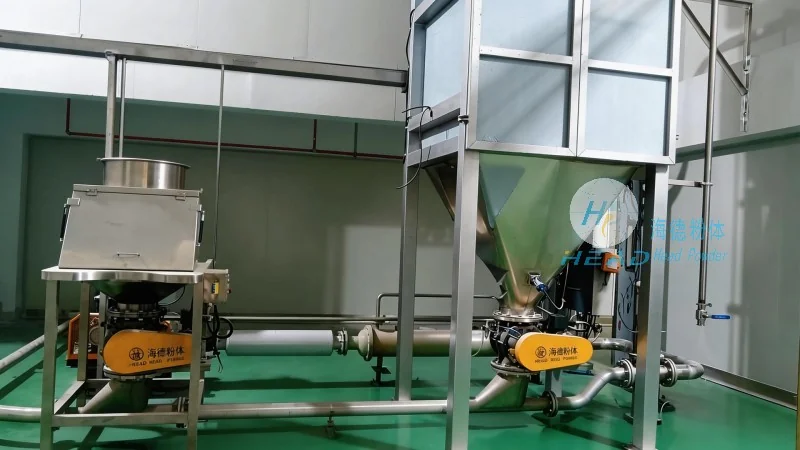
Copper concentrate powder, a critical intermediate product in the copper mining and processing industry, requires efficient and reliable transport from processing facilities to storage or further treatment sites. The choice of conveying method significantly impacts operational efficiency, material integrity, and overall production costs. This article explores various copper concentrate powder conveying methods, with a focus on the advantages and characteristics of pneumatic conveying systems.
Common Conveying Techniques for Copper Concentrate Powder
Traditional conveying methods for copper concentrate powder include mechanical systems such as belt conveyors, screw conveyors, and bucket elevators. These systems are widely used due to their simplicity and cost-effectiveness. Belt conveyors, for instance, are suitable for long-distance horizontal or slightly inclined transport, while screw conveyors excel in vertical or horizontal transport with moderate material flow rates. However, these mechanical systems often face challenges with material abrasiveness, dust generation, and maintenance requirements, especially when handling fine copper concentrate powders.
Pneumatic Conveying: Advantages and Key Features
Pneumatic conveying, also known as air conveying, offers a distinct set of advantages that make it an increasingly popular choice for copper concentrate powder transport. Unlike mechanical systems, pneumatic conveyors use compressed air to move material through a pipeline, eliminating the need for moving parts in contact with the powder. This design reduces wear and tear, minimizes maintenance, and enhances operational reliability. The key advantages of pneumatic conveying for copper concentrate powder include:
1. Reduced Material Damage and Degradation: The absence of mechanical components prevents attrition and breakage of the fine copper concentrate particles, preserving their size and quality. This is particularly important for maintaining the chemical properties and market value of the concentrate.
2. Effective Dust Control: Pneumatic systems are inherently enclosed, containing dust within the pipeline and preventing environmental contamination. This aligns with environmental regulations and improves workplace safety by minimizing airborne particulates.
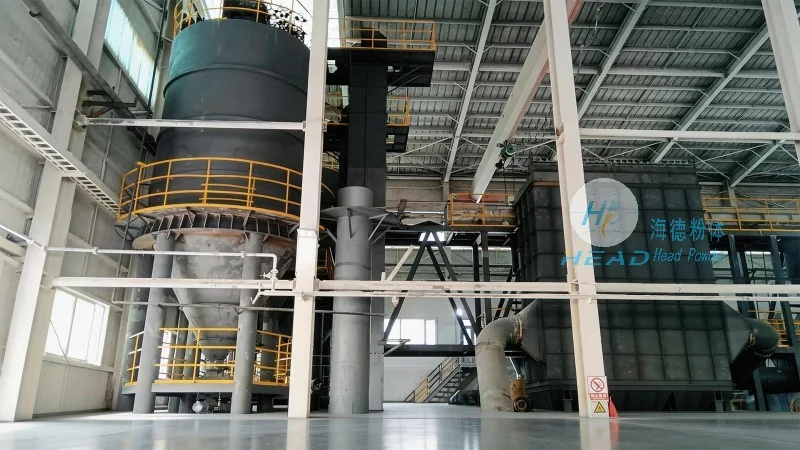
3. Versatility in Layout and Distance: Pneumatic conveying allows for flexible system layouts, including vertical, horizontal, and combined (vertical-horizontal) transport. It can cover long distances, often exceeding 100 meters, with minimal energy consumption compared to other methods.
4. Hygienic and Sanitary Operation: The enclosed nature of pneumatic systems makes them ideal for applications where hygiene is critical, such as in food or pharmaceutical processing, though copper concentrate applications primarily focus on industrial efficiency.
5. Energy Efficiency and Cost Savings: By optimizing air pressure and flow rates, pneumatic systems can achieve energy-efficient operation. The reduced need for frequent maintenance and replacement of mechanical parts leads to long-term cost savings, making it a competitive option for large-scale copper processing facilities.
Technical Considerations in Pneumatic Conveying Systems
Implementing an effective pneumatic conveying system for copper concentrate powder involves several technical considerations to ensure optimal performance. These include:
- System Design and Sizing: Proper sizing of the pipeline diameter, air velocity, and pressure is crucial to prevent blockages and ensure smooth material flow. The system must be designed to handle the specific characteristics of the copper concentrate, such as particle size distribution, moisture content, and bulk density.
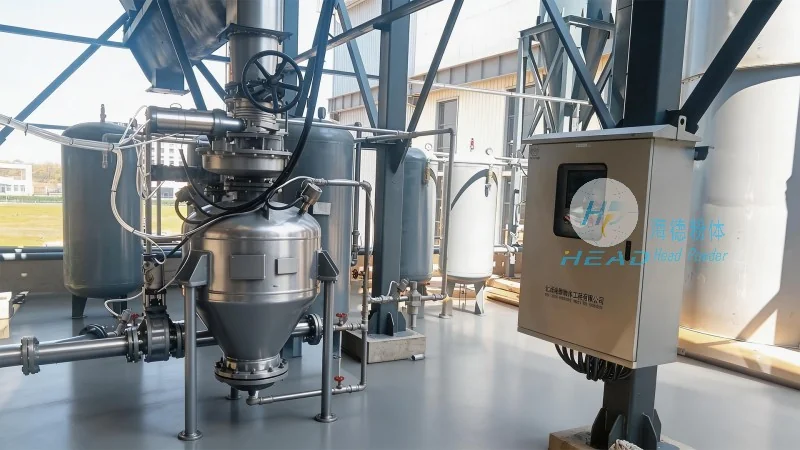
- Material Handling Equipment: The choice of feeders, such as rotary valves or star feeders, is critical for consistent material discharge into the pipeline. These devices must be capable of handling fine powders without clogging or creating air leaks.
- Air Compressors and Filtration: High-quality air compressors are essential to provide the necessary pressure and volume of air. Filtration systems are required to remove moisture and particulates from the compressed air, preventing corrosion and ensuring the longevity of system components.
- Control Systems: Advanced control systems, including pressure sensors and flow meters, enable real-time monitoring and adjustment of the conveying process. This helps maintain consistent material transport and detect potential issues before they lead to system failures.
Application Scenarios and Practical Benefits
Pneumatic conveying systems are widely adopted in various stages of copper processing, from primary crushing and grinding to concentrate storage and transportation to smelters. For example, in a copper mine processing plant, pneumatic conveying can be used to transport freshly ground copper concentrate from the grinding circuit to the flotation or filtration units, or to transfer the final concentrate to storage silos. The benefits in these applications include reduced downtime due to fewer mechanical failures, lower maintenance costs, and improved material quality retention.
In industrial settings, the use of pneumatic conveying for copper concentrate powder also contributes to overall operational efficiency. By integrating with existing processing lines, these systems can enhance production throughput while minimizing environmental impact through effective dust control. The flexibility of pneumatic systems allows for easy integration with new or existing infrastructure, making them a practical solution for both new installations and system upgrades.
Conclusion and Company Profile
Efficient transport of copper concentrate powder is a vital aspect of the copper mining and processing industry, directly impacting production efficiency and material quality. Among the various conveying methods available, pneumatic conveying stands out for its advantages in material integrity, dust control, and operational reliability. Shandong HeadPowder Engineering Co., Ltd., a leading provider of engineering solutions for powder handling, specializes in designing and implementing advanced pneumatic conveying systems tailored to the unique needs of copper processing facilities. With a focus on innovation and customer satisfaction, HeadPowder offers comprehensive solutions that enhance the performance and sustainability of copper concentrate handling operations. Based in Shandong, China, the company leverages its expertise to deliver high-quality, reliable systems that meet the demanding requirements of modern copper processing industries.

 Shandong Headpowder Engineering Co., Ltd.
 156-6277-7102(Quản lý Trương)
  0531-83386006
  Thành phố Tế Nam, Tỉnh Sơn Đông, Trung Quốc
Điện thoại
WeChatTư vấn
Lên đầu