Với hơn 10 năm kinh nghiệm về vận chuyển khí nén, Headpowder Sơn Đông cung cấp hệ thống, thiết bị và quạt gió toàn chuỗi, đảm nhận các dự án kỹ thuật bột trọn gói trên toàn quốc.
When it comes to transporting ceramic particles, selecting the right conveying method is crucial for ensuring efficiency, reliability, and minimal product degradation. Among the various options available, pneumatic conveying stands out as a preferred solution for many industries dealing with ceramic materials. This article explores the different ceramic particle conveying methods and highlights the key advantages and features of pneumatic conveying systems, with a focus on the capabilities of Shandong HeadPowder Engineering Co., Ltd. (HeadPowder).
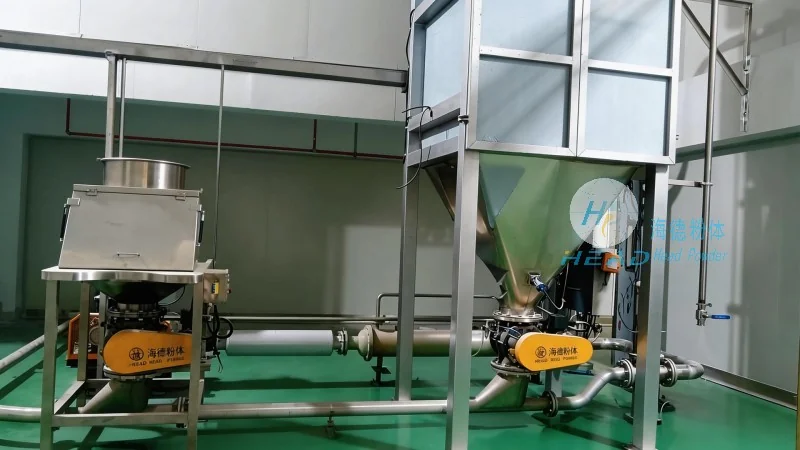
Ceramic Particle Conveying Methods Overview
There are primarily two main categories of conveying methods used for ceramic particles: mechanical and pneumatic. Mechanical conveying systems, such as screw conveyors, belt conveyors, and bucket elevators, rely on mechanical components to move materials. While these methods are effective for certain applications, they may face limitations when dealing with fine or abrasive ceramic powders. In contrast, pneumatic conveying uses air or other gases to transport particles through a pipeline system, offering a more flexible and efficient approach for many ceramic processing operations.
Pneumatic Conveying Advantages for Ceramic Particles
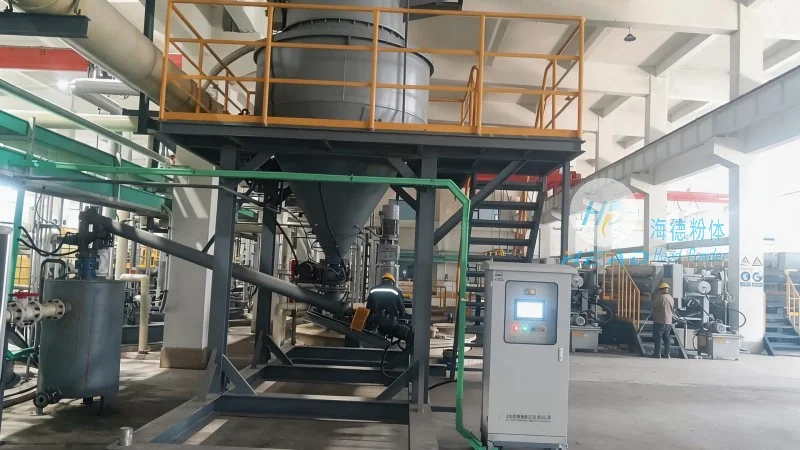
One of the most significant advantages of pneumatic conveying for ceramic particles is its ability to handle fine powders and abrasive materials without causing excessive wear or degradation. The enclosed pipeline system prevents contamination and dust exposure, which is critical for maintaining product quality. Additionally, pneumatic systems can transport materials over longer distances and through multiple points of discharge, providing greater flexibility in plant layouts. The gentle handling of particles also reduces the risk of agglomeration or breakage, preserving the integrity of the ceramic material.
Key Features of Pneumatic Conveying Systems
Modern pneumatic conveying systems for ceramic particles often incorporate advanced features to enhance performance and efficiency. These may include: variable speed drives for precise control of material flow, pressure regulators to maintain consistent air pressure, and dust collection systems to ensure environmental compliance. Some systems also utilize pulse-jet or rotary valve technology to optimize material transfer and minimize system downtime. The modular design of these systems allows for easy integration into existing production lines and scalability to meet growing production demands.
Application Examples in Ceramic Manufacturing
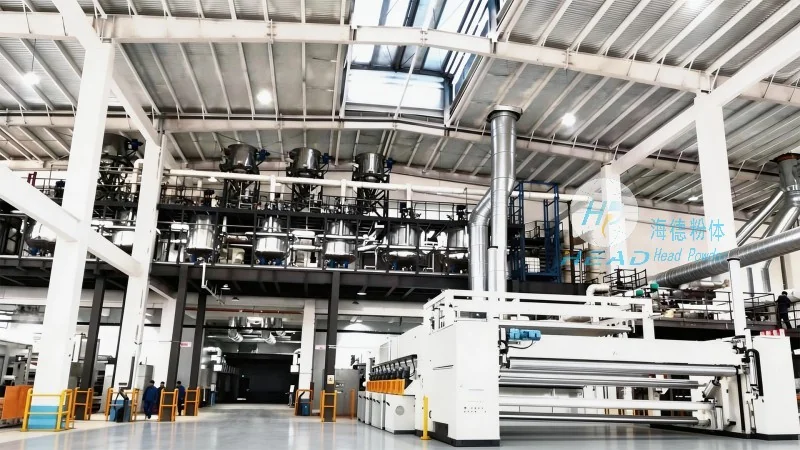
Pneumatic conveying is widely used in various stages of ceramic manufacturing, from raw material handling to finished product packaging. For instance, in the production of ceramic tiles or sanitaryware, pneumatic systems efficiently transport raw clay, feldspar, and other minerals from storage silos to mixing and processing equipment. In the firing stage, these systems can also handle post-firing products, such as finished tiles or porcelain, ensuring smooth material flow between production stages. The versatility of pneumatic conveying makes it suitable for both dry and slightly moist ceramic powders, adapting to different production requirements.
Choosing the Right Conveying System for Ceramic Particles
When selecting a conveying system for ceramic particles, several factors must be considered to ensure optimal performance. The particle size, density, and moisture content are critical parameters that influence the choice of system. For example, fine, dry ceramic powders may require a high-pressure, dense-phase system, while larger or more abrasive particles might benefit from a low-pressure, dilute-phase system. The distance and number of transfer points also play a role in determining the system's design. Consulting with experts, such as Shandong HeadPowder Engineering Co., Ltd., can help identify the most suitable conveying solution based on specific operational needs and material characteristics.
Conclusion
Pneumatic conveying offers a reliable and efficient solution for transporting ceramic particles, addressing the unique challenges associated with these materials. By leveraging advanced technology and tailored system designs, companies like Shandong HeadPowder Engineering Co., Ltd. provide comprehensive solutions that enhance productivity and product quality in ceramic manufacturing processes. Whether for raw material handling or finished product transfer, pneumatic conveying systems continue to be a preferred choice for industries seeking to optimize their material handling operations.

 Shandong Headpowder Engineering Co., Ltd.
 156-6277-7102(Quản lý Trương)
  0531-83386006
  Thành phố Tế Nam, Tỉnh Sơn Đông, Trung Quốc
Điện thoại
WeChatTư vấn
Lên đầu