Với hơn 10 năm kinh nghiệm về vận chuyển khí nén, Headpowder Sơn Đông cung cấp hệ thống, thiết bị và quạt gió toàn chuỗi, đảm nhận các dự án kỹ thuật bột trọn gói trên toàn quốc.
When it comes to transporting industrial salt, various methods are employed depending on the specific requirements of the application, such as material characteristics, distance, and operational environment. Common industrial salt conveying methods include gravity-based systems, mechanical conveyors, and pneumatic conveying technologies. Each method has its own set of advantages and limitations, making the selection process critical for optimizing efficiency and cost-effectiveness in industrial operations.
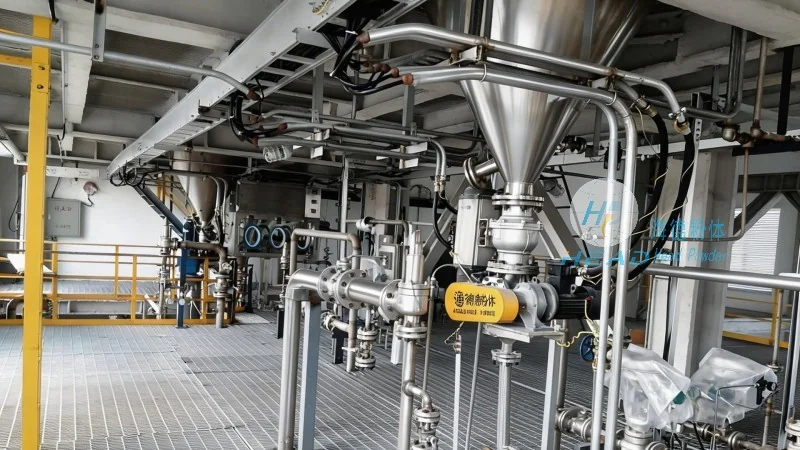
Gravity Conveying Systems for Industrial Salt
Gravity conveying relies on the natural force of gravity to move materials from a higher elevation to a lower one. In industrial salt handling, this method is often used for short distances and when the material is free-flowing. The primary components of a gravity conveyor system include chutes, hoppers, and inclined planes. While simple and low-cost, gravity systems have limitations, particularly when dealing with large volumes or when the salt needs to be transported over significant vertical or horizontal distances. They are also less suitable for handling sticky or cohesive materials that may cause blockages in the chute.
Mechanical Conveyors: Traditional Solutions for Salt Transport
Mechanical conveyors, such as belt conveyors, screw conveyors, and bucket elevators, are widely used in industrial salt handling due to their reliability and ability to handle a wide range of material types. Belt conveyors are particularly effective for transporting bulk industrial salt over long distances, with the ability to handle large quantities at a consistent speed. Screw conveyors, on the other hand, are ideal for vertical or inclined transport, as they can move material through vertical sections without the need for additional equipment. However, mechanical conveyors have drawbacks, including higher maintenance costs, potential for material degradation due to friction, and the risk of equipment failure if the salt is abrasive or contains foreign objects.
Pneumatic Conveying: The Advanced Solution for Industrial Salt
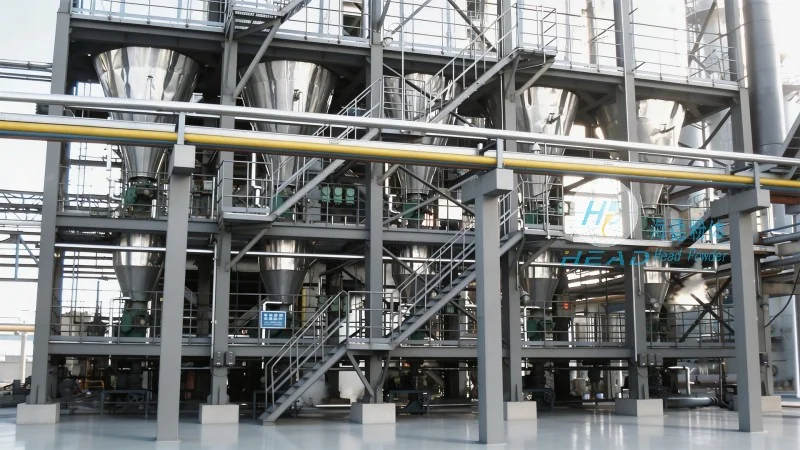
Pneumatic conveying, also known as air conveying, is a modern and efficient method for transporting industrial salt. This technology uses compressed air to move the material through a pipeline system, eliminating the need for mechanical components like belts or screws. The system typically consists of a blower, a hopper, and a pipeline network with inlets and outlets. Pneumatic conveying offers several advantages over traditional methods, including high efficiency, minimal material degradation, and the ability to transport salt over long distances with minimal loss. It is particularly suitable for handling fine or powdery industrial salt, as well as materials that are prone to dust or contamination.
HeadPowder's Pneumatic Conveying System: Advantages and Features
Shandong HeadPowder Engineering Co., Ltd., a leading manufacturer of industrial conveying solutions, specializes in providing advanced pneumatic conveying systems tailored for industrial salt applications. The company's system is designed to address the unique challenges of salt handling, such as moisture content, corrosiveness, and the need for high-temperature operation. Key advantages of HeadPowder's pneumatic conveying system include:
Efficient Material Transport: The system utilizes high-pressure air to move industrial salt quickly and reliably, reducing handling time and increasing overall productivity.
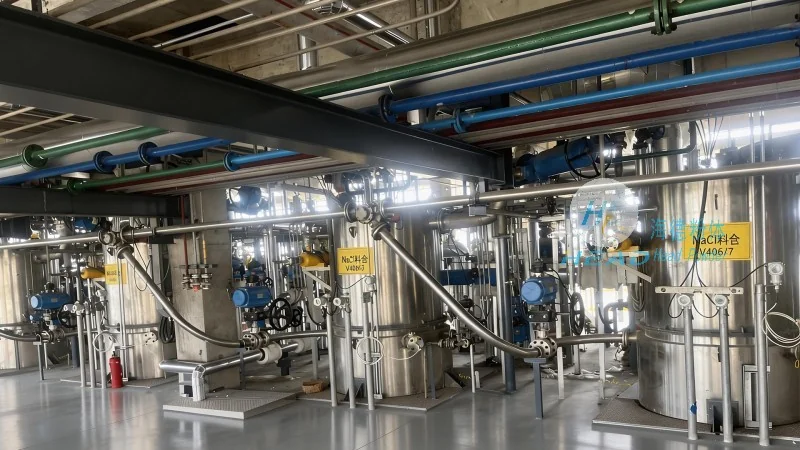
Low Maintenance and Long Lifespan: With fewer moving parts compared to mechanical conveyors, the pneumatic system requires less maintenance and has a longer operational life, resulting in lower long-term costs.
Environmental Friendliness: Pneumatic conveying is a dust-free operation, minimizing the risk of dust exposure and improving workplace safety. It also reduces the need for dust suppression systems, contributing to a cleaner industrial environment.
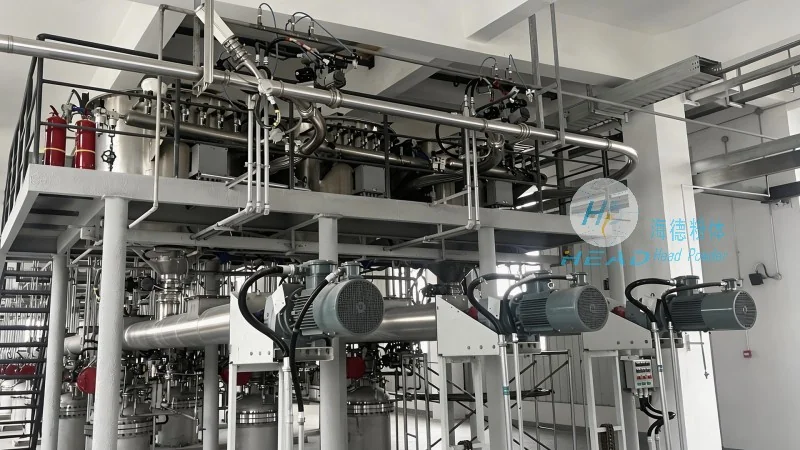
Flexibility and Scalability: The system can be easily customized to accommodate varying production volumes and can be expanded or modified as the industrial salt handling needs evolve. This flexibility makes it suitable for both small-scale and large-scale operations.
Enhanced Safety: By eliminating the need for manual handling and mechanical components that may pose a risk of injury, the pneumatic system significantly reduces workplace accidents and improves overall safety standards.
Conclusion: Choosing the Right Conveying Method for Industrial Salt
When selecting a conveying method for industrial salt, it is essential to consider factors such as material properties, distance, and operational requirements. While gravity and mechanical conveyors have their place in certain applications, pneumatic conveying offers a superior solution for many industrial salt handling scenarios. HeadPowder's pneumatic conveying system, with its advanced design and proven performance, provides an efficient, reliable, and cost-effective option for businesses looking to optimize their industrial salt transport processes. By leveraging the advantages of pneumatic technology, companies can enhance productivity, improve safety, and reduce operational costs, making it a valuable investment for long-term industrial operations.

 Shandong Headpowder Engineering Co., Ltd.
 156-6277-7102(Quản lý Trương)
  0531-83386006
  Thành phố Tế Nam, Tỉnh Sơn Đông, Trung Quốc
Điện thoại
WeChatTư vấn
Lên đầu