Với hơn 10 năm kinh nghiệm về vận chuyển khí nén, Headpowder Sơn Đông cung cấp hệ thống, thiết bị và quạt gió toàn chuỗi, đảm nhận các dự án kỹ thuật bột trọn gói trên toàn quốc.
Biological enzyme delivery is a critical aspect in various scientific and industrial applications, as the effective transport of enzymes to target sites can significantly enhance their functionality and efficiency. Understanding the different methods available for delivering biological enzymes is essential for researchers and professionals in fields such as biotechnology, pharmaceuticals, and environmental science. This article explores several common approaches to biological enzyme delivery, highlighting their mechanisms, advantages, and potential applications.
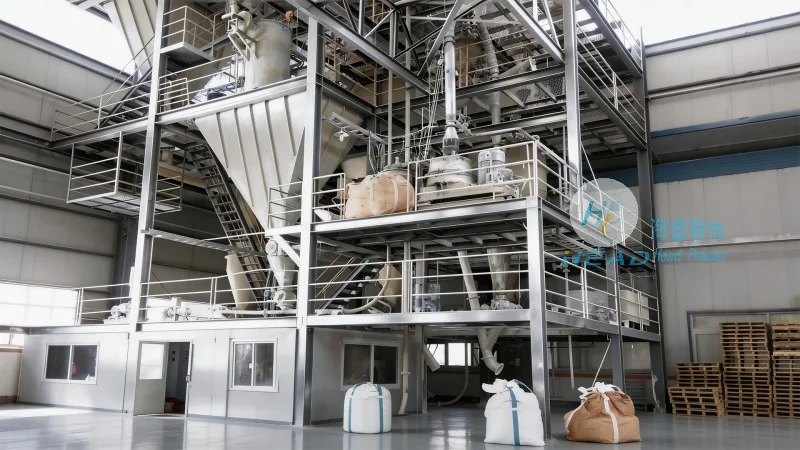
Overview of Biological Enzyme Delivery
Before delving into specific delivery methods, it is important to understand the fundamental goals of enzyme delivery. The primary objectives include protecting the enzyme from degradation, ensuring its stability during transport, and facilitating its release at the intended site. Additionally, the delivery method should be compatible with the target environment and the specific requirements of the enzyme itself. These factors influence the choice of delivery approach, as different methods offer varying levels of control over enzyme activity, stability, and distribution.
Common Methods for Biological Enzyme Delivery
Several methods are widely used for delivering biological enzymes, each with its own unique characteristics and applications. The selection of a particular method depends on factors such as the enzyme's size, stability, the target site, and the desired duration of activity. Below are some of the most common approaches:
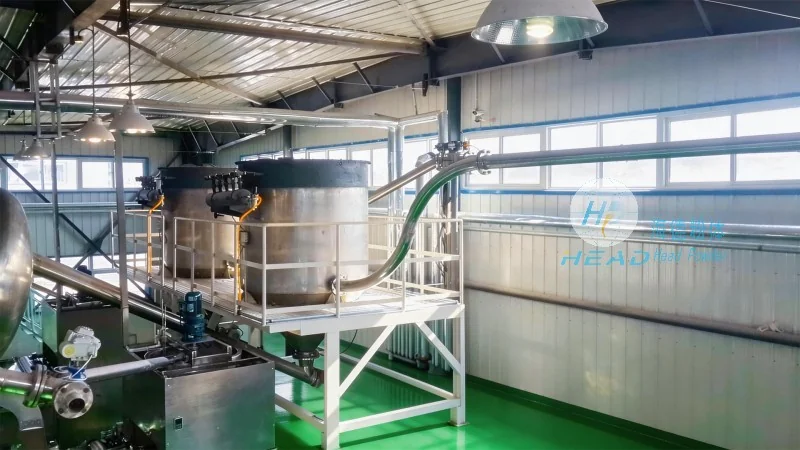
1. Physical Encapsulation in Nanoparticles
Physical encapsulation involves enclosing enzymes within nanoparticles, which can be made from various materials like polymers, lipids, or inorganic substances. This method provides a protective barrier that shields the enzyme from external factors, such as pH changes, temperature fluctuations, and enzymatic degradation. Nanoparticles can be designed to release the enzyme gradually over time, allowing for sustained activity at the target site. For instance, polymeric nanoparticles can be engineered to degrade in specific environments, releasing the enzyme when it reaches the desired location. This approach is particularly useful for enzymes that are sensitive to environmental conditions and require controlled release.
2. Chemical Conjugation to Carrier Molecules
Chemical conjugation involves attaching enzymes to carrier molecules, such as antibodies, peptides, or other proteins. This method enhances the enzyme's targeting ability by allowing it to bind specifically to receptors or other molecules present at the target site. The carrier molecule acts as a "Trojan horse," delivering the enzyme to the desired location while protecting it from premature degradation. For example, conjugating an enzyme to an antibody can enable it to target specific cells or tissues, improving its therapeutic efficacy. This approach is widely used in drug delivery and diagnostic applications, where precise targeting is crucial.
3. Lipid-Based Delivery Systems
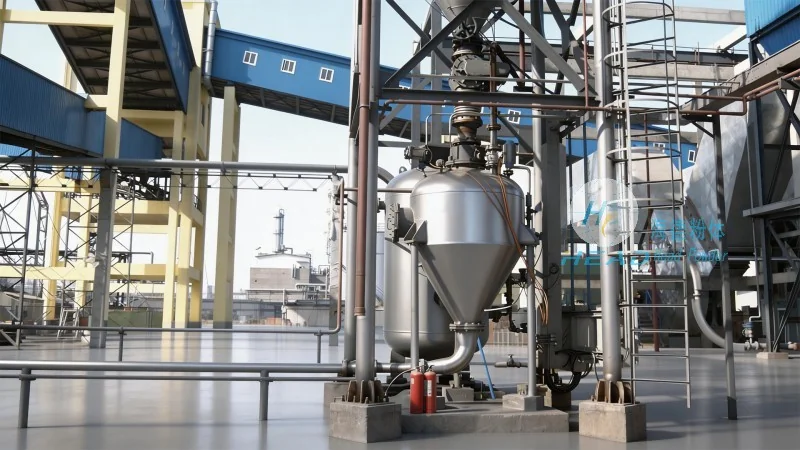
Lipid-based delivery systems utilize liposomes or other lipid structures to encapsulate enzymes. Liposomes are spherical vesicles composed of phospholipids, which can mimic the structure of cell membranes. By encapsulating enzymes within liposomes, they are protected from the extracellular environment and can be delivered to target cells through endocytosis. Lipid-based systems are biocompatible and can be modified to enhance their stability and targeting capabilities. For instance, adding targeting ligands to the liposome surface can improve its ability to recognize and bind to specific cell types. This method is particularly effective for delivering enzymes to living tissues, as it allows for controlled release and minimal side effects.
4. Polymer-Based Hydrogels
Polymer-based hydrogels are three-dimensional networks of polymers that can encapsulate enzymes and provide a hydrated environment for their activity. These hydrogels can be designed to be biodegradable or non-degradable, depending on the application. By controlling the polymer composition and crosslinking density, the release rate of the enzyme can be adjusted. For example, a hydrogel matrix can be engineered to release the enzyme over several days, ensuring sustained activity at the target site. This approach is useful for applications where long-term enzyme activity is required, such as in wound healing or tissue regeneration. Polymer-based hydrogels are also biocompatible and can be tailored to specific mechanical and chemical properties.
5. Microfluidic Devices for Controlled Delivery
Microfluidic devices are small-scale systems that can precisely control the delivery of enzymes. These devices use channels and valves to regulate the flow of enzyme solutions, allowing for accurate dosing and timing of release. Microfluidic systems can be integrated with sensors to monitor the enzyme's activity and adjust the delivery rate in real time. This method is particularly useful for applications that require precise control over enzyme concentration and release kinetics, such as in laboratory diagnostics or personalized medicine. By using microfluidic devices, researchers can optimize the delivery of enzymes to achieve the desired therapeutic or analytical outcomes.
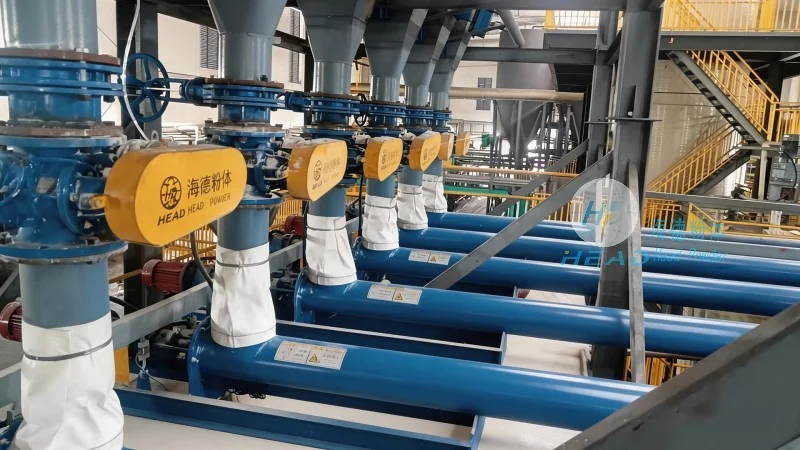
6. Gene Delivery Vectors for Enzyme Production
Gene delivery vectors, such as viral or non-viral vectors, can be used to deliver the genetic material encoding enzymes to target cells. Once inside the cell, the genetic material is expressed, leading to the production of the enzyme within the cell. This approach is particularly useful for enzymes that need to be produced locally at the target site, rather than being delivered as a pre-formed protein. For example, viral vectors can be used to deliver genes encoding therapeutic enzymes to patients with genetic disorders, allowing for long-term production of the enzyme within the body. Non-viral vectors, such as plasmid DNA or lipid nanoparticles, are also used for gene delivery, offering advantages in terms of safety and scalability.
Applications and Considerations
The choice of biological enzyme delivery method depends on the specific application and the characteristics of the enzyme. For instance, in pharmaceutical applications, the goal may be to deliver a therapeutic enzyme to a specific organ or tissue, while in environmental applications, the focus may be on delivering an enzyme to degrade pollutants. Additionally, the stability of the enzyme during transport and storage is a critical factor, as enzymes are often sensitive to environmental conditions. Researchers must consider factors such as the enzyme's size, charge, and stability when selecting a delivery method. Furthermore, the cost and scalability of the delivery system are important considerations, especially for large-scale industrial applications.
Conclusion
Biological enzyme delivery is a complex and dynamic field with numerous methods available for transporting enzymes to target sites. Each method has its own advantages and limitations, and the selection of the most appropriate approach depends on the specific requirements of the application. As research in this area continues to advance, new and innovative delivery methods are being developed to improve enzyme stability, targeting, and activity. Companies like Shandong HeadPowder Engineering Co., Ltd., based in China, are at the forefront of developing advanced delivery systems for biological enzymes, contributing to the advancement of biotechnology and related industries. By understanding the different methods and their applications, researchers and professionals can make informed decisions to enhance the effectiveness of enzyme-based technologies.

 Shandong Headpowder Engineering Co., Ltd.
 156-6277-7102(Quản lý Trương)
  0531-83386006
  Thành phố Tế Nam, Tỉnh Sơn Đông, Trung Quốc
Điện thoại
WeChatTư vấn
Lên đầu