Với hơn 10 năm kinh nghiệm về vận chuyển khí nén, Headpowder Sơn Đông cung cấp hệ thống, thiết bị và quạt gió toàn chuỗi, đảm nhận các dự án kỹ thuật bột trọn gói trên toàn quốc.
When it comes to handling and transporting titanium dioxide, choosing the right conveying method is crucial for efficiency, safety, and cost-effectiveness. Among the various options available, pneumatic conveying stands out as a preferred solution for many industries, especially those dealing with fine powders like titanium dioxide. In this article, we will explore the different types of titanium dioxide conveying methods and introduce the advanced pneumatic conveying system offered by Shandong HeadPowder Engineering Co., Ltd., commonly known as HeadPowder.
Understanding Titanium Dioxide Conveying Methods
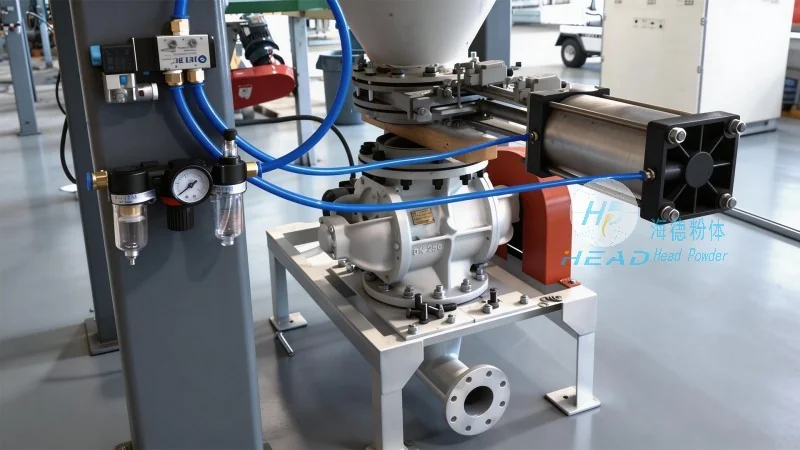
Titanium dioxide (TiO₂) is widely used in industries such as pigments, coatings, plastics, and paper due to its high whiteness and opacity. The nature of this fine powder makes traditional conveying methods, like belt conveyors or bucket elevators, less suitable due to issues like dust generation, material degradation, and blockages. Therefore, specialized conveying systems are essential to ensure smooth and safe transport. The primary types of titanium dioxide conveying methods include:
1. Pneumatic Conveying Systems
Pneumatic conveying, also known as air conveying, is a method that uses compressed air to move powders through a pipeline. This technology is particularly effective for handling fine and abrasive materials like titanium dioxide. HeadPowder's pneumatic conveying system is designed to provide a reliable and efficient solution for transporting titanium dioxide from storage silos to processing equipment. The system typically consists of a hopper, a rotary valve, a venturi or pressure vessel, and a receiver. The compressed air creates a flow that carries the powder particles through the pipeline, ensuring minimal dust and no direct contact with the material, which helps maintain product quality.
2. Mechanical Conveying Systems
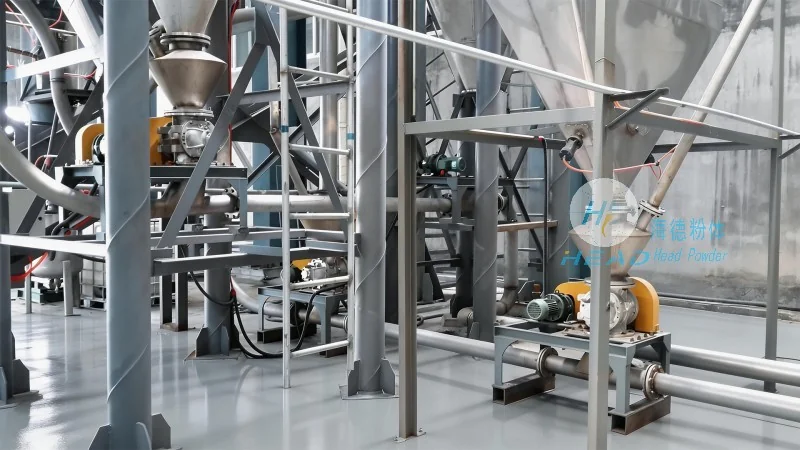
While pneumatic systems are preferred for many applications, mechanical conveying methods like screw conveyors, belt conveyors, and bucket elevators are still used in some cases. However, these systems are more prone to issues such as material buildup, wear and tear, and increased dust generation. For titanium dioxide, which is sensitive to moisture and contamination, mechanical conveyors may not be the best choice unless proper sealing and cleaning measures are implemented.
3. Hydraulic Conveying Systems
Hydraulic conveying uses water or other liquids to transport powders. This method is less common for titanium dioxide due to the risk of moisture absorption and the need for additional equipment to separate the powder from the liquid. It is generally more suitable for materials that are less sensitive to moisture and can be washed or dried after transport.
Advantages of HeadPowder's Pneumatic Conveying System
HeadPowder, a leading manufacturer of titanium dioxide conveying solutions, offers a state-of-the-art pneumatic conveying system that addresses the challenges associated with traditional methods. The system is designed with several key advantages:
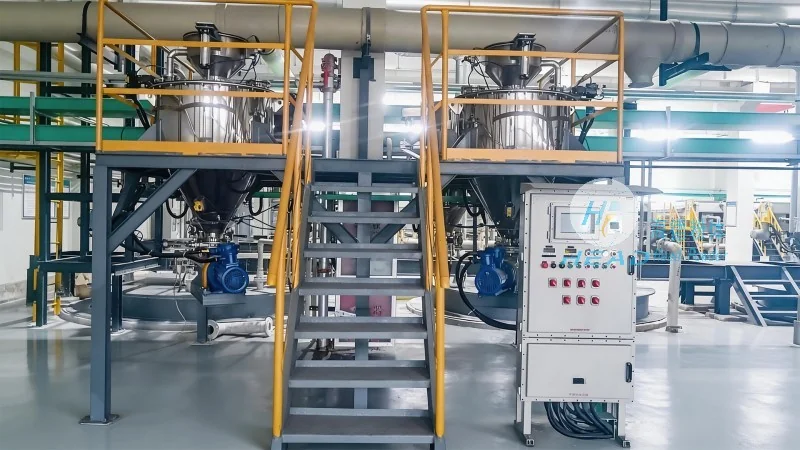
Efficiency and Speed: The pneumatic system allows for rapid and continuous transport of titanium dioxide, reducing downtime and increasing production throughput.
Low Maintenance: With fewer moving parts compared to mechanical conveyors, the system requires less maintenance and has a longer service life.
Product Protection: The enclosed pipeline and controlled air flow minimize dust exposure and prevent contamination, ensuring the quality of the titanium dioxide remains uncompromised.
Energy Efficiency: Modern pneumatic systems are designed to use compressed air efficiently, reducing energy consumption and operational costs.
Application in Real-World Scenarios
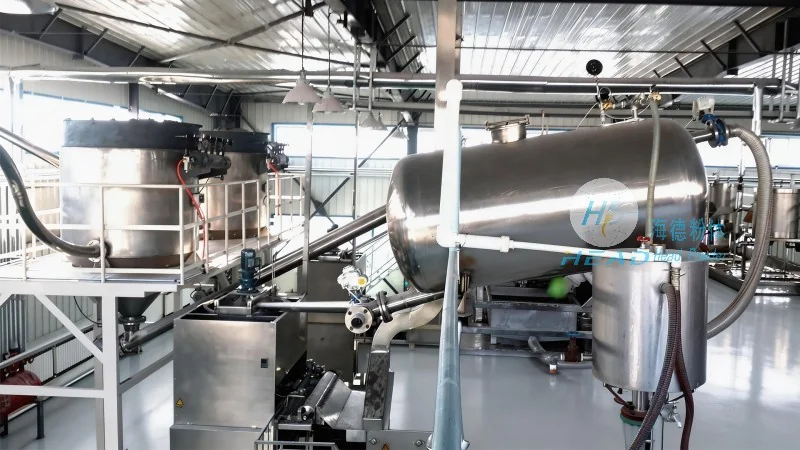
The HeadPowder pneumatic conveying system has been successfully implemented in various industrial settings. For example, in a pigment manufacturing plant, the system was used to transport titanium dioxide from bulk storage to a mixing and grinding unit. The result was a significant reduction in dust emissions and an increase in production speed. Another application was in a coating factory, where the system efficiently delivered titanium dioxide to a coating machine, ensuring consistent quality in the final product.
Conclusion
Choosing the right titanium dioxide conveying method is critical for optimizing operations and maintaining product quality. While mechanical and hydraulic systems have their uses, pneumatic conveying, especially with advanced solutions like HeadPowder's system, offers superior performance for handling fine powders. Shandong HeadPowder Engineering Co., Ltd. provides reliable and efficient pneumatic conveying systems that meet the demands of modern industries, ensuring safe and effective transport of titanium dioxide.

 Shandong Headpowder Engineering Co., Ltd.
 156-6277-7102(Quản lý Trương)
  0531-83386006
  Thành phố Tế Nam, Tỉnh Sơn Đông, Trung Quốc
Điện thoại
WeChatTư vấn
Lên đầu