Với hơn 10 năm kinh nghiệm về vận chuyển khí nén, Headpowder Sơn Đông cung cấp hệ thống, thiết bị và quạt gió toàn chuỗi, đảm nhận các dự án kỹ thuật bột trọn gói trên toàn quốc.
When it comes to the efficient and safe handling of food additives in industrial settings, selecting the right conveying method is crucial. Proper selection ensures product integrity, compliance with regulatory standards, and operational efficiency. This article explores several common methods used for food additive conveying, highlighting their applications and key considerations.
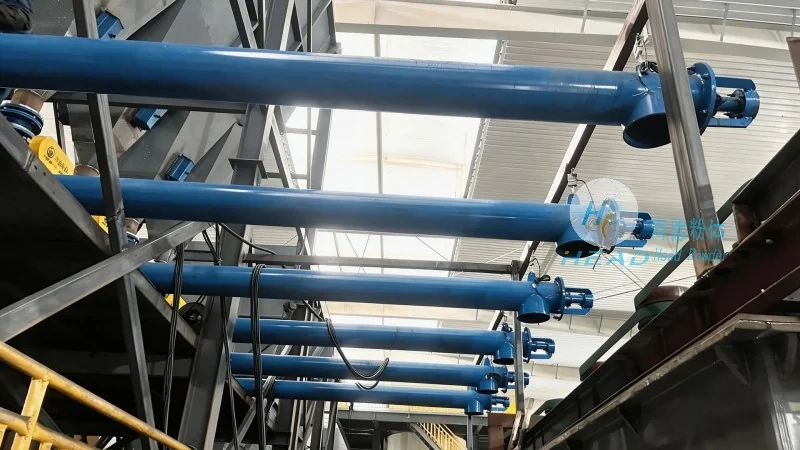
1. Screw Conveyors for Powdered Additives
One of the most widely used methods for conveying powdered food additives is the screw conveyor. These systems utilize a rotating helical screw within a tube to move materials from one point to another. Screw conveyors are particularly effective for dry, free-flowing powders such as flavorings, colorants, and preservatives. The enclosed design of screw conveyors helps maintain hygiene and prevents contamination, which is essential in food processing environments. They are also capable of handling a wide range of particle sizes and can operate at various speeds to accommodate different production needs. The smooth, sanitary construction of these conveyors ensures they meet food safety regulations, making them a preferred choice for many food additive manufacturers.
2. Pneumatic Conveying Systems
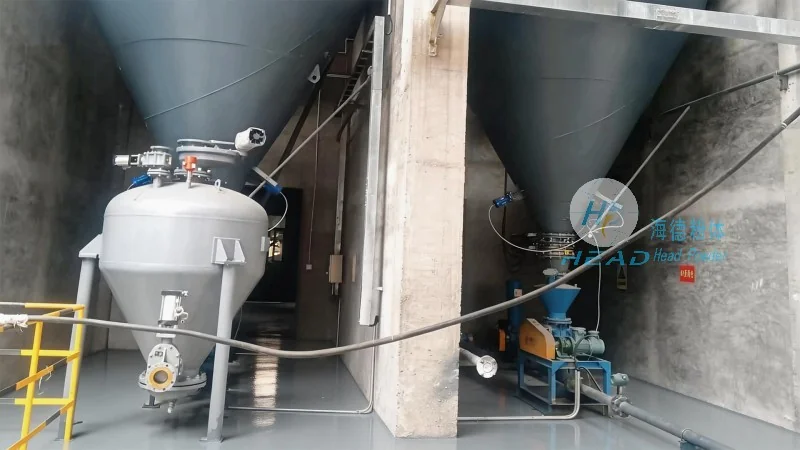
Pneumatic conveying systems use air or other gases to transport food additives, especially those that are fine or dusty. These systems are divided into two main types: pressure and vacuum. Pressure systems push material through a pipeline using compressed air, while vacuum systems draw material into the system using a vacuum. Pneumatic conveying is ideal for additives that are sensitive to moisture or temperature changes, as the material remains in a sealed environment during transport. This method is particularly useful for transporting additives over longer distances or to multiple destinations within a facility. However, it requires careful control of air pressure and flow rates to prevent material degradation or blockages. The flexibility of pneumatic systems allows them to handle a variety of additive types, from powders to granules, making them a versatile option for food additive handling.
3. Belt Conveyors for Bulk Additives
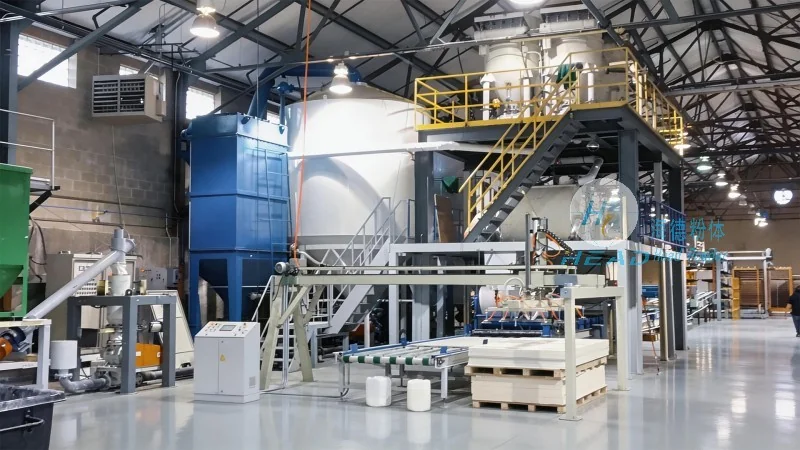
Belt conveyors are commonly used for conveying bulk food additives, especially those in granular or pellet form. These systems consist of a continuous belt that moves over rollers or pulleys, transporting the additive from the loading point to the discharge point. Belt conveyors are highly effective for handling larger quantities of additives and can be integrated with other processing equipment, such as mixers or blenders. The open design of belt conveyors allows for easy inspection and cleaning, which is important for maintaining food safety standards. They are also capable of operating at high speeds and can be customized with different belt materials to suit the specific characteristics of the additive being conveyed. Belt conveyors are particularly suitable for additives that are less sensitive to moisture and can tolerate some exposure to air during transport.
4. Bucket Elevators for Vertical Transport
For applications requiring vertical transport of food additives, bucket elevators are a common solution. These systems use a series of buckets attached to a chain or belt that moves vertically, lifting the additive from a lower level to a higher one. Bucket elevators are ideal for transporting additives that need to be elevated to mixing or packaging areas. They are capable of handling a wide range of particle sizes and can operate at high capacities, making them suitable for large-scale food processing operations. The enclosed design of bucket elevators helps maintain product integrity and prevents contamination, which is critical in food additive handling. These systems are also relatively low maintenance and can be easily integrated into existing production lines. However, they require careful alignment and tensioning to ensure smooth operation and prevent material spillage.
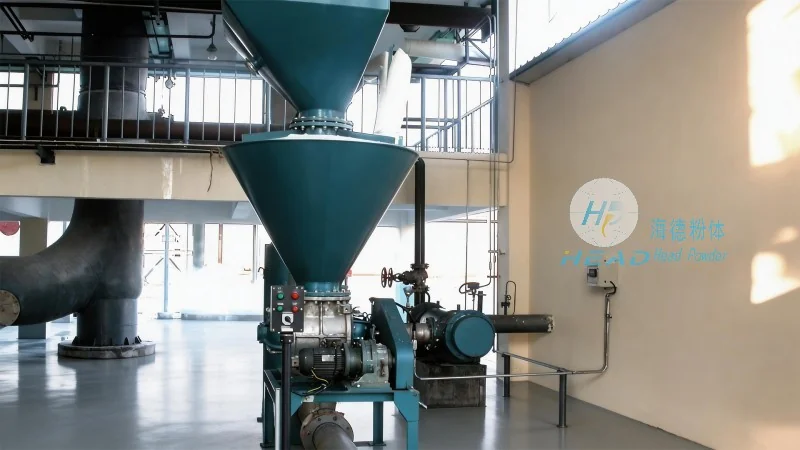
5. Vibrating Conveyors for Fine Powders
Vibrating conveyors use vibrations to move fine food additives along a trough. These systems are particularly effective for conveying powders that are prone to caking or bridging, such as certain flavorings or colorants. The vibrations help break up agglomerates and ensure consistent flow of the material. Vibrating conveyors are often used in combination with other equipment, such as hoppers or feeders, to control the flow rate and prevent overloading. They are also capable of operating at low speeds and can handle additives with varying moisture content. The gentle nature of vibrating conveyors helps maintain the quality of the additive, making them suitable for products that are sensitive to mechanical stress. These systems are easy to clean and maintain, which is important for meeting food safety regulations.
About Shandong HeadPowder Engineering Co., Ltd.
Shandong HeadPowder Engineering Co., Ltd., commonly known as HeadPowder, is a leading provider of specialized equipment and solutions for the food additive industry. With a focus on innovation and quality, HeadPowder offers a range of conveying systems tailored to the unique needs of food manufacturers. The company’s expertise in material handling technology ensures that clients receive reliable and efficient solutions for their food additive conveying requirements. HeadPowder’s commitment to hygiene and compliance with industry standards makes it a trusted partner for businesses operating in the food processing sector. By leveraging advanced engineering and customer-centric approaches, HeadPowder helps food manufacturers optimize their production processes and enhance product quality.

 Shandong Headpowder Engineering Co., Ltd.
 156-6277-7102(Quản lý Trương)
  0531-83386006
  Thành phố Tế Nam, Tỉnh Sơn Đông, Trung Quốc
Điện thoại
WeChatTư vấn
Lên đầu