Với hơn 10 năm kinh nghiệm về vận chuyển khí nén, Headpowder Sơn Đông cung cấp hệ thống, thiết bị và quạt gió toàn chuỗi, đảm nhận các dự án kỹ thuật bột trọn gói trên toàn quốc.
Gypsum slurry, a crucial material in construction and industrial processes, requires efficient and reliable transport methods to ensure optimal performance and safety. The choice of transport method depends on factors such as material consistency, distance, and operational requirements. This article explores the primary methods used for gypsum slurry transport, highlighting the expertise of Shandong HeadPowder Engineering Co., Ltd. (commonly known as HeadPowder), a leading provider of industrial transport solutions based in Shandong, China. With years of experience in the field, HeadPowder specializes in designing and implementing tailored transport systems that meet the unique needs of its clients.
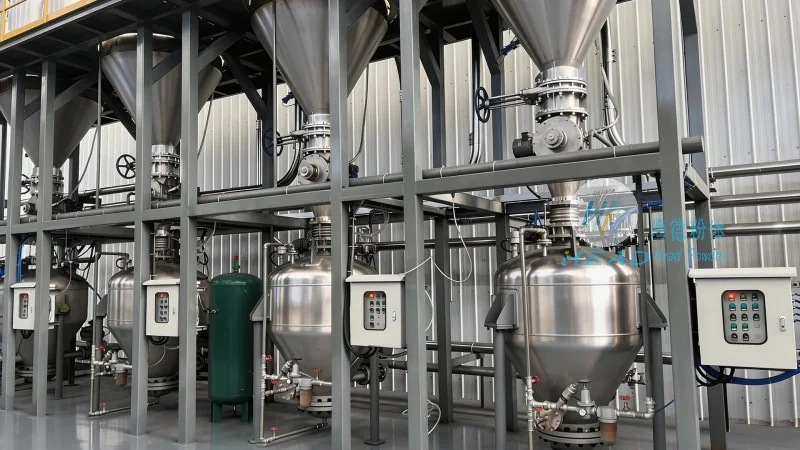
1. Pipeline Transport Systems: The Foundation of Gypsum Slurry Movement
Pipeline transport is one of the most common and effective methods for gypsum slurry movement. This approach involves using a network of pipes to carry the slurry from the source to the destination. HeadPowder specializes in designing and implementing pipeline systems that are tailored to the specific characteristics of gypsum slurry, ensuring minimal wear and tear on the equipment. The company’s engineers consider factors like slurry viscosity, solid content, and temperature to select the appropriate pipe materials and diameters. For instance, stainless steel or high-density polyethylene (HDPE) pipes are often used to prevent corrosion and maintain the integrity of the slurry. The pipeline system may include valves, pumps, and monitoring equipment to control flow rates and pressure, ensuring smooth and continuous transport. This method is particularly suitable for long-distance transport and large-scale industrial applications, where efficiency and reliability are paramount.
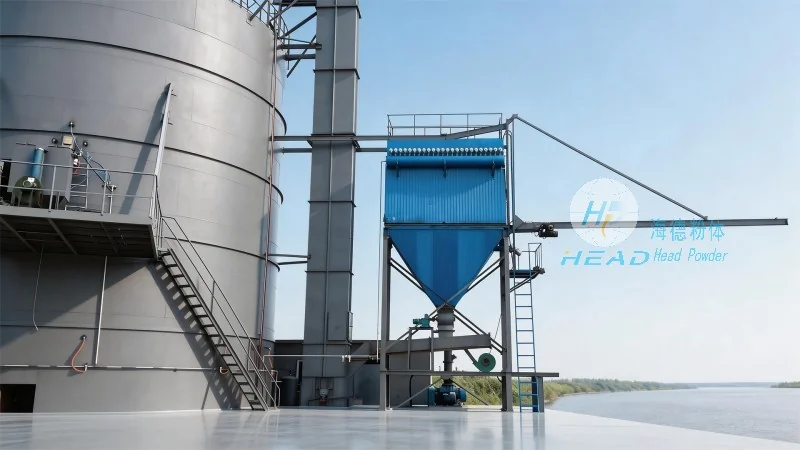
2. Pumping Systems: Ensuring Consistent and Controlled Flow
Pumping is a critical component of gypsum slurry transport, as it provides the necessary force to move the slurry through the pipeline. HeadPowder offers a range of pumping solutions, including centrifugal pumps, positive displacement pumps, and diaphragm pumps, each designed for specific slurry properties. Centrifugal pumps are commonly used for high-volume, low-viscosity slurries, while positive displacement pumps are ideal for handling thicker, more viscous gypsum slurries. The choice of pump depends on the slurry's density, solid content, and required flow rate. HeadPowder's engineers conduct thorough assessments to determine the optimal pump type, ensuring energy efficiency and minimal maintenance. The pumping system is integrated with the pipeline to maintain consistent pressure and flow, preventing blockages and ensuring the slurry reaches its destination without degradation. This method is essential for applications where gravity alone cannot move the slurry, such as vertical or uphill transport.
3. Closed-Loop Transport: Enhancing Safety and Environmental Compliance
For industries where safety and environmental protection are top priorities, closed-loop transport systems are preferred. This method involves recycling the slurry back into the system after it has been processed or transported, minimizing waste and reducing the risk of spills. HeadPowder designs closed-loop systems that incorporate filtration, mixing, and recycling equipment to maintain the slurry's quality and consistency. The closed-loop approach is particularly beneficial in applications like gypsum board production, where the slurry is used repeatedly. The system includes sensors and controls to monitor parameters such as pH, viscosity, and solids content, ensuring the slurry remains within the required specifications. This method not only enhances safety but also reduces operational costs by minimizing material waste and reprocessing needs. HeadPowder's expertise in closed-loop systems ensures that clients can achieve both efficiency and compliance with environmental regulations.
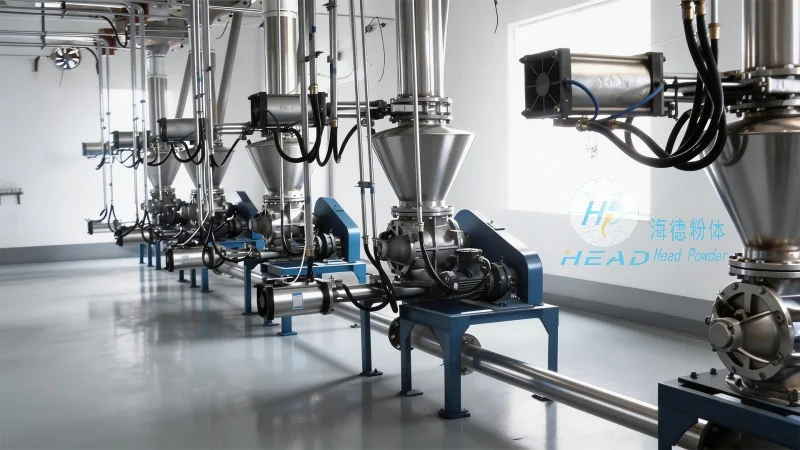
4. Horizontal and Vertical Transport Integration: Tailored Solutions for Complex Sites
In many industrial settings, gypsum slurry needs to be transported both horizontally and vertically, requiring integrated systems that can handle complex layouts. HeadPowder provides customized solutions that combine horizontal pipelines with vertical lift equipment, such as vertical pumps or elevators. These integrated systems ensure that the slurry can be moved efficiently from the source to the destination, even in multi-level facilities. The company's engineers consider the site's topography, available space, and operational constraints to design a system that maximizes efficiency and minimizes downtime. For example, in a gypsum board manufacturing plant, the slurry may need to be transported from the mixing area to the casting floor, which involves both horizontal and vertical movement. HeadPowder's integrated transport solutions ensure that the slurry reaches the casting area with the right consistency and pressure, supporting consistent production output. This approach is particularly useful in large-scale industrial operations where space and complexity are significant factors.
5. Maintenance and Monitoring: Ensuring Long-Term Reliability
Effective gypsum slurry transport systems require regular maintenance and monitoring to ensure long-term reliability. HeadPowder offers comprehensive maintenance services, including routine inspections, equipment calibration, and component replacement. The company's technicians are trained to identify potential issues early, preventing costly breakdowns and downtime. Monitoring systems, such as flow meters and pressure sensors, are integrated into the transport system to provide real-time data on slurry movement. This data helps operators adjust parameters as needed, ensuring optimal performance. HeadPowder's commitment to maintenance and monitoring ensures that clients can rely on their transport systems for consistent and efficient operation. By combining regular maintenance with advanced monitoring technology, the company helps clients extend the lifespan of their equipment and reduce operational costs over time.

 Shandong Headpowder Engineering Co., Ltd.
 156-6277-7102(Quản lý Trương)
  0531-83386006
  Thành phố Tế Nam, Tỉnh Sơn Đông, Trung Quốc
Điện thoại
WeChatTư vấn
Lên đầu