Với hơn 10 năm kinh nghiệm về vận chuyển khí nén, Headpowder Sơn Đông cung cấp hệ thống, thiết bị và quạt gió toàn chuỗi, đảm nhận các dự án kỹ thuật bột trọn gói trên toàn quốc.
When dealing with cast iron fume in industrial settings, selecting the appropriate transport method is crucial for maintaining air quality, ensuring worker safety, and optimizing operational efficiency. Cast iron fume, often generated during casting processes such as melting, pouring, and machining, contains particulate matter and potentially harmful gases that require effective extraction and transport to prevent environmental contamination and health risks. The choice of transport method depends on several factors, including the volume of fume, the distance it needs to travel, the characteristics of the fume (e.g., particle size, moisture content), and the specific requirements of the facility. Below, we explore the common methods used for cast iron fume transport and the considerations that help determine the best approach.
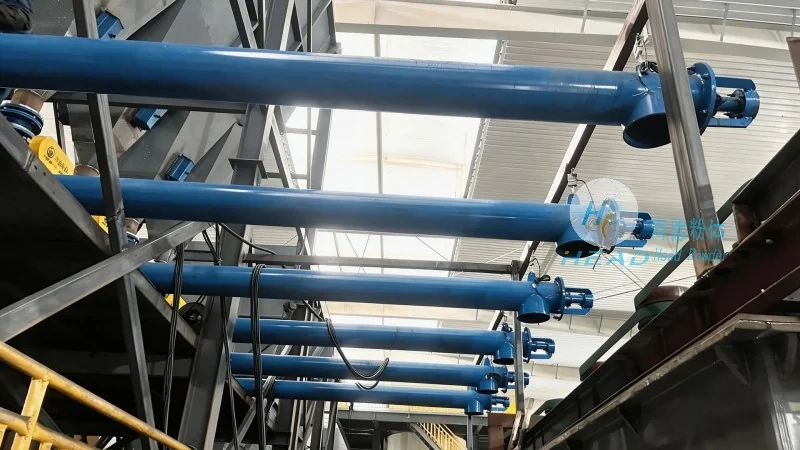
1. Vacuum Systems for Cast Iron Fume Extraction
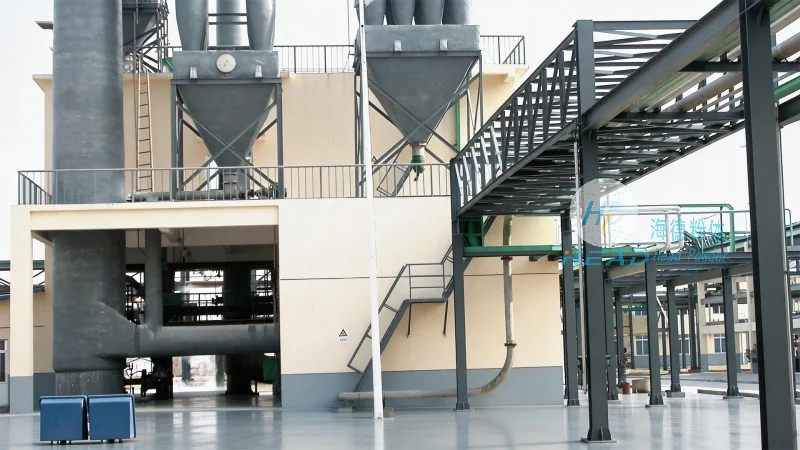
Vacuum systems are a widely used method for extracting and transporting cast iron fume, particularly in applications where the fume source is stationary or where a continuous flow of fume is generated. These systems operate by creating a negative pressure in the extraction point, drawing the fume through a dedicated ductwork system to a central filtration or treatment unit. The primary components of a vacuum system include a fan or blower, ducts, and a filter or scrubber that removes particulates and gases from the fume. For cast iron fume, which often contains heavy, abrasive particles, high-efficiency particulate air (HEPA) filters or specialized metal filters are commonly employed to ensure effective capture. The vacuum system's design must account for the fume's density and particle size to prevent clogging and maintain consistent airflow. In industrial settings, vacuum systems are often integrated with a dust collection unit that can be located near the fume source or at a central facility, allowing for flexible placement and efficient transport over varying distances.
2. Positive Pressure or Blower Systems
Alternatively, positive pressure or blower systems can be utilized for cast iron fume transport, especially when the fume needs to be moved over longer distances or when the system requires a positive pressure environment to prevent external air from entering the ductwork. These systems work by using a blower to force air (and the fume) through the ducts to a collection point. The positive pressure helps maintain the integrity of the system, reducing the risk of contamination from external sources. Blower systems are particularly effective for applications where the fume is generated in a confined space or where the ductwork is long and complex. The choice between vacuum and positive pressure systems often depends on the specific operational needs of the facility, including the layout of the workspace, the number of fume sources, and the desired level of air quality control. For cast iron fume, which can be dense and heavy, positive pressure systems may require more robust ductwork and higher airflow rates to ensure efficient transport and prevent particulate buildup.
3. Mechanical Conveying Methods
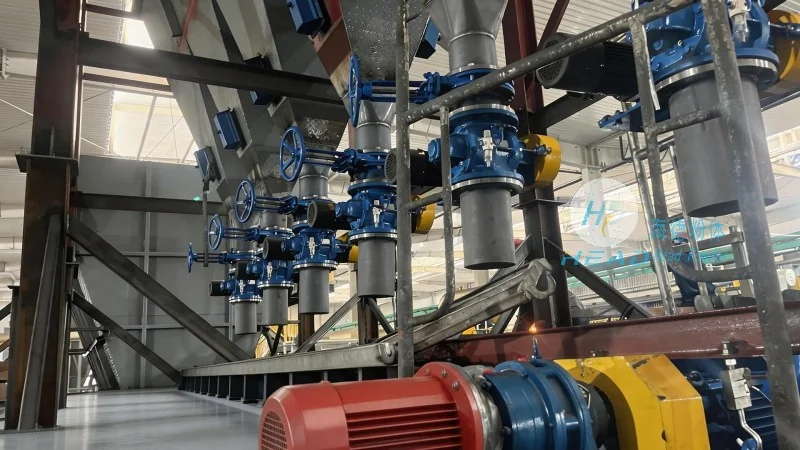
Mechanical conveying methods, such as screw conveyors or pneumatic conveyors, are another option for transporting cast iron fume, especially when the fume contains larger particulates or when the system needs to handle a high volume of material. Screw conveyors use rotating screws to move the fume through a closed tube, while pneumatic conveyors utilize air pressure to transport the material in a slurry or dry form. These methods are particularly useful for applications where the fume is mixed with other materials or where the transport distance is short and the system requires a high degree of control over the material flow. However, mechanical conveying systems may require more maintenance and can be more expensive to install compared to traditional vacuum or blower systems. The effectiveness of mechanical conveying for cast iron fume depends on the particle size and moisture content of the fume, as larger or wetter particles may cause clogging or reduced efficiency. Proper sizing of the conveyor and regular cleaning are essential to maintain optimal performance.
4. Considerations for Selecting the Right Cast Iron Fume Transport Method
When choosing a cast iron fume transport method, several key factors must be considered to ensure the system meets the facility's needs and complies with environmental regulations. First, the volume and characteristics of the fume must be accurately assessed. Cast iron fume typically has a high density and may contain abrasive particles, which can impact the choice of filter and duct material. Second, the distance and layout of the facility play a critical role in determining the most efficient transport method. Longer distances may require more powerful fans or blowers, while complex layouts may necessitate a combination of vacuum and positive pressure systems. Third, the cost of installation, operation, and maintenance must be evaluated. While vacuum systems may have lower upfront costs, they may require more frequent filter changes and maintenance, especially when dealing with abrasive cast iron fume. Fourth, regulatory requirements and air quality standards must be considered. Many regions have strict guidelines for particulate emissions, and the chosen transport method must ensure compliance with these standards. Finally, the integration of the system with existing infrastructure and the need for future expansion should be taken into account. A well-designed cast iron fume transport system should be scalable and adaptable to accommodate changes in production or facility expansion.
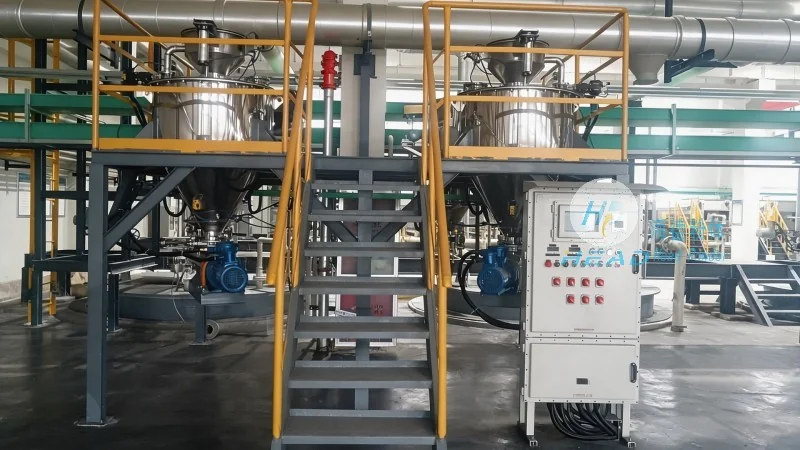
5. The Role of Shandong HeadPowder Engineering Co., Ltd. in Cast Iron Fume Transport Solutions
Shandong HeadPowder Engineering Co., Ltd., a leading provider of industrial fume extraction and transport solutions, specializes in designing and implementing customized systems for cast iron fume management. With years of experience in the industry, the company understands the unique challenges associated with cast iron fume, including its abrasive nature and high particulate load. HeadPowder, headquartered in Shandong, China, offers a range of solutions tailored to different operational needs, from small-scale casting operations to large industrial facilities. The company's expertise lies in selecting the appropriate transport method based on the specific requirements of each project, ensuring that the chosen system is efficient, cost-effective, and compliant with environmental regulations. For example, HeadPowder may recommend a vacuum system with high-efficiency filters for a facility with multiple casting stations, or a positive pressure system for a long-distance transport requirement. The company also provides maintenance and support services to ensure the longevity and optimal performance of the installed systems. By partnering with HeadPowder, industrial facilities can enhance their air quality, protect their workers, and improve overall operational efficiency in handling cast iron fume.

 Shandong Headpowder Engineering Co., Ltd.
 156-6277-7102(Quản lý Trương)
  0531-83386006
  Thành phố Tế Nam, Tỉnh Sơn Đông, Trung Quốc
Điện thoại
WeChatTư vấn
Lên đầu